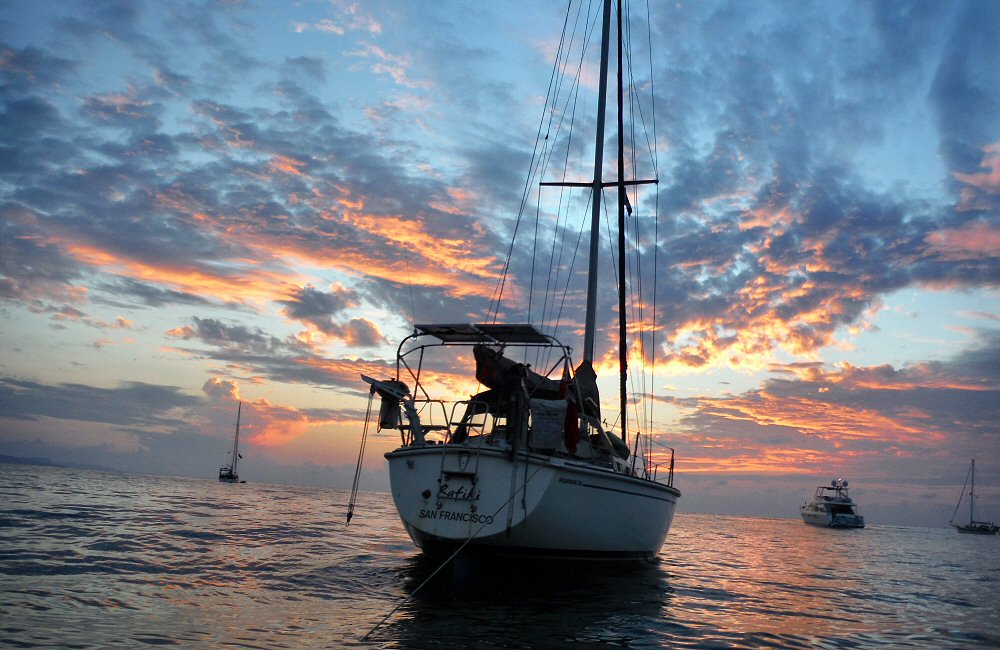
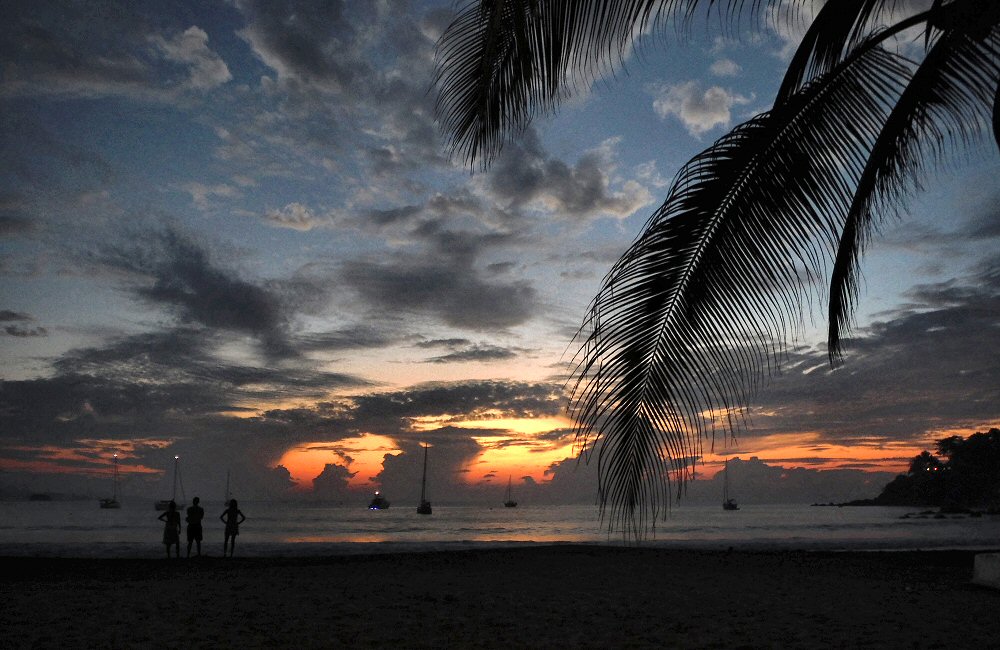
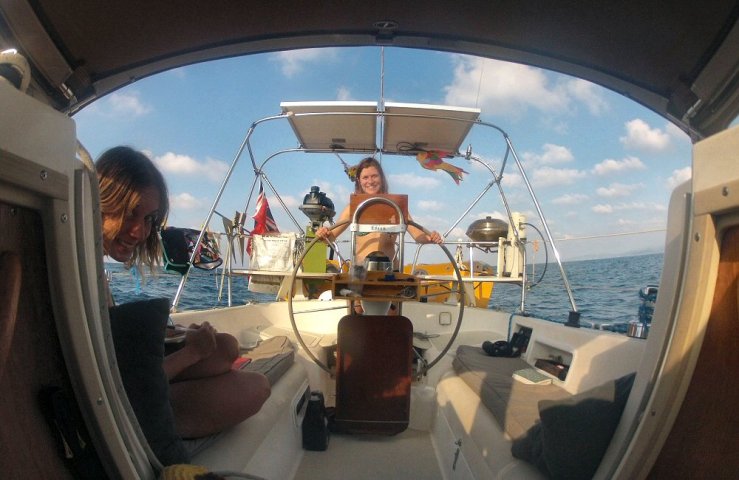
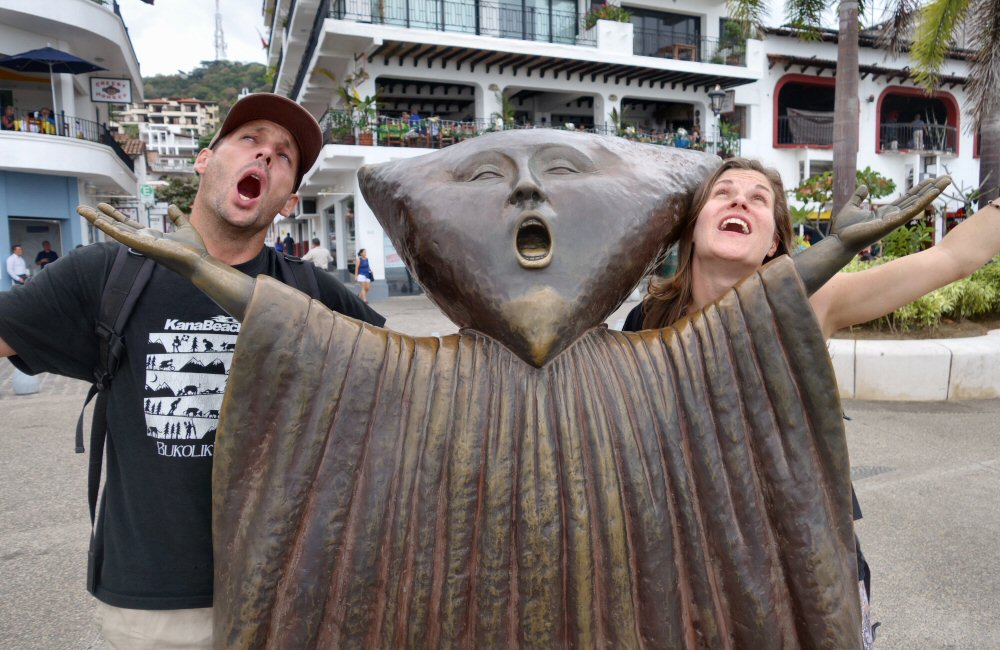
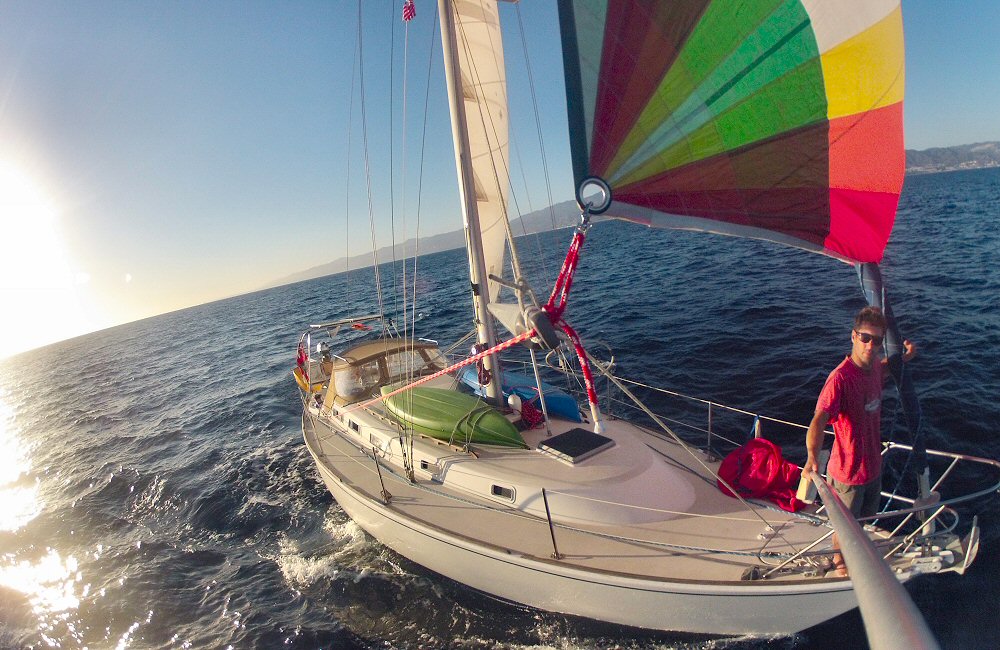
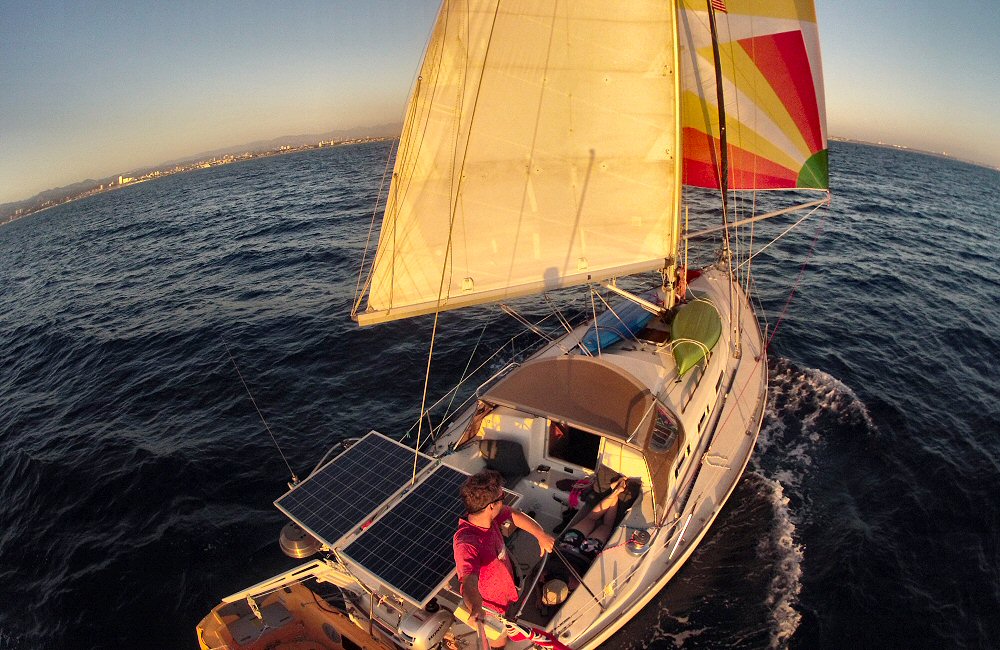
Final preparations

After waiting in line in the Puerto Vallarta baggage hall for maybe an hour and a half, I finally got to customs. There’s a button to press – if you get a green light, you’re clear to go through, but if you get a red light then the questions and searching begins. The lady before me got a red button, so probability was on my side. While her bag was searched, the customs man was looking my big, suspicious bag up and down, no doubt running questions through in his head. My turn came, I pressed the button, and got a green light. Whoopee! Through the airport, picked up a taxi and back to the boat. Rafiki was all well, but a little grubby from two months sat in a marina. Even though I was starving hungry, I found I had to at least give the cockpit a scrub down before unpacking bags and filling my belly.

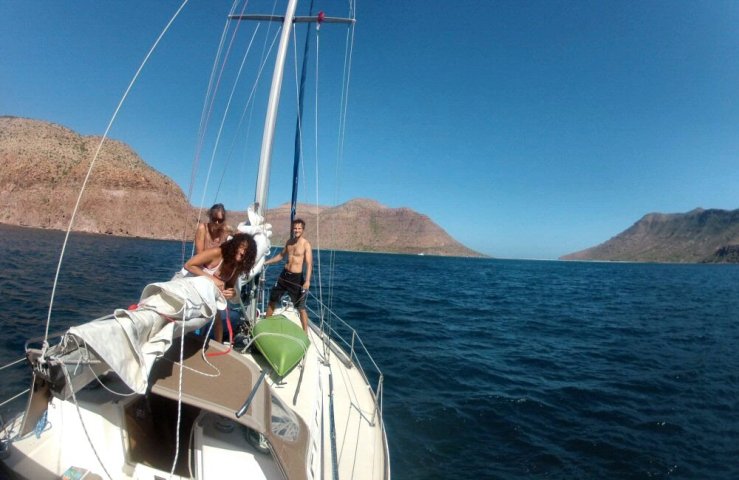
It’s been a busy week, getting every thing ready. David and Eva, my Swiss crew, arrived on Monday with home-made biscuits in hand. We spent the day getting to know each other, and settling in. The rest of the week has been spent on a bunch of jobs, me working on the boat, David and Eva ticking things off their todo list and hunting down a place to make copies of the charts I brought out from the UK. We borrowed a huge stack of charts from a local boating group, but it turns out that the ones I’d picked up from the Admiralty were the best for having as emergency backup. We’ve made copies of a few old, interesting looking charts though – to put up on the wall later! David + Eva have packed a sextant and large stack of astro navigation books, so we hope to be proficient old-time navigators by the time we get to Australia 🙂

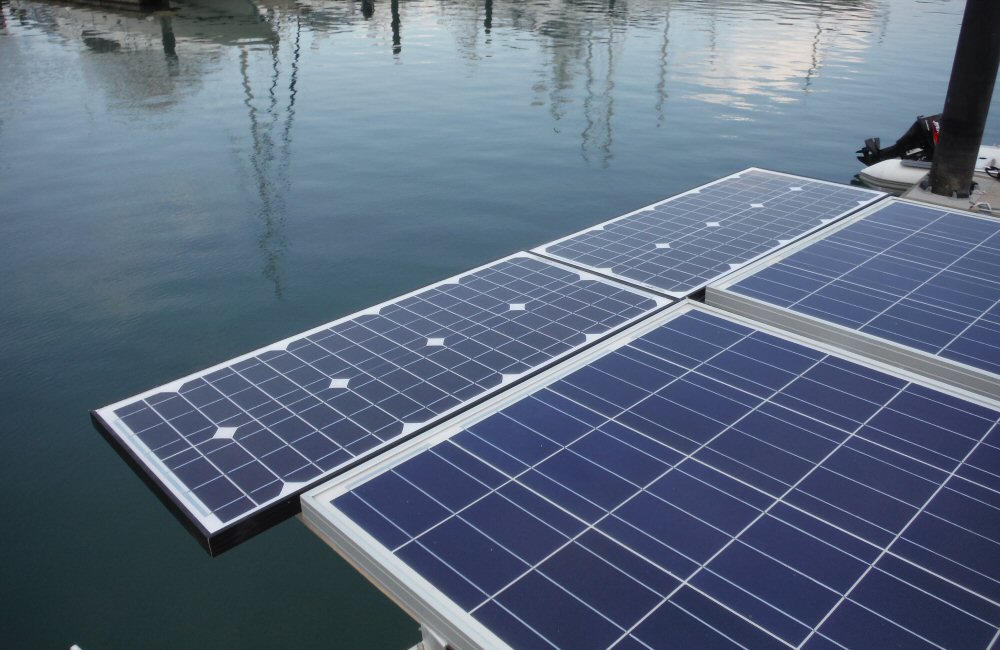
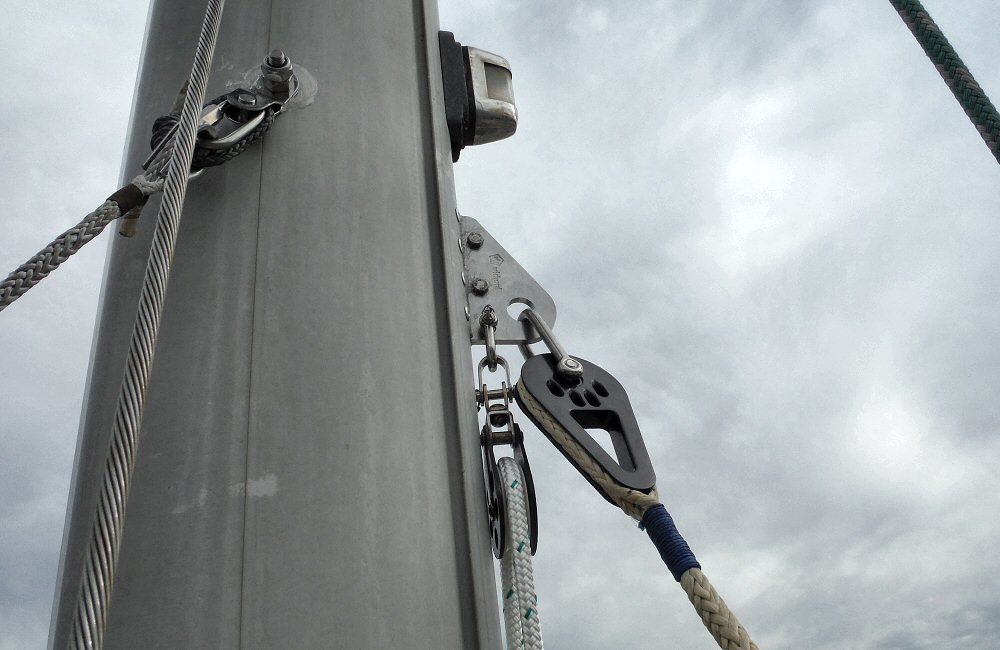
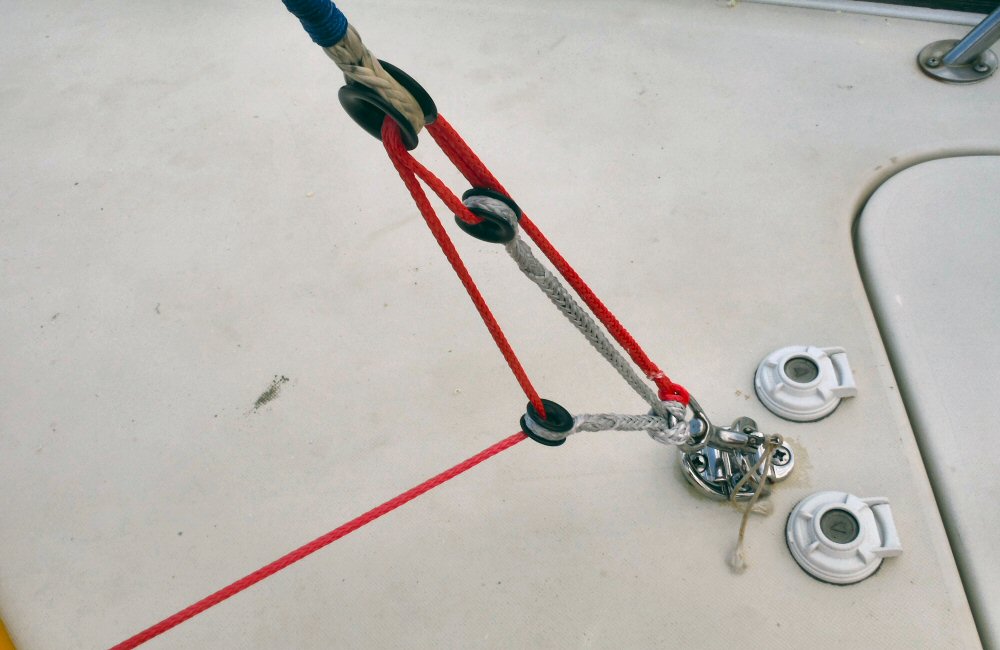
The boat was pretty much ready for an ocean crossing back in October last year, since the sail down the outside of the Baja peninsula is remote and long. Still, 2,800 miles of open ocean, and then a further 5,000+ miles of sailing to get to the other side of the biggest ocean on the planet requires a certain amount of preparation. In fact it’s a logistical behemoth. This will I’ve ticked off a few final jobs; adding a third battery, two more solar panels, inner forestay for the storm jib, and running backstays to support it, and then a load of little things around the place.

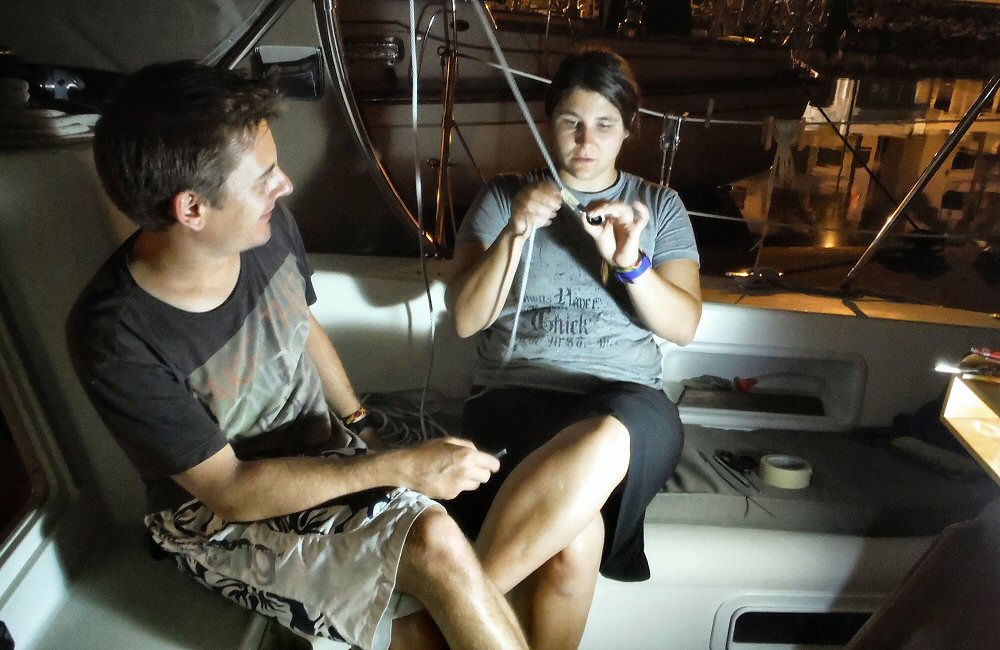
2015 03 05 1900 splicing into the night
David and Eva splicing backstays, late into the night
Extra solar panels
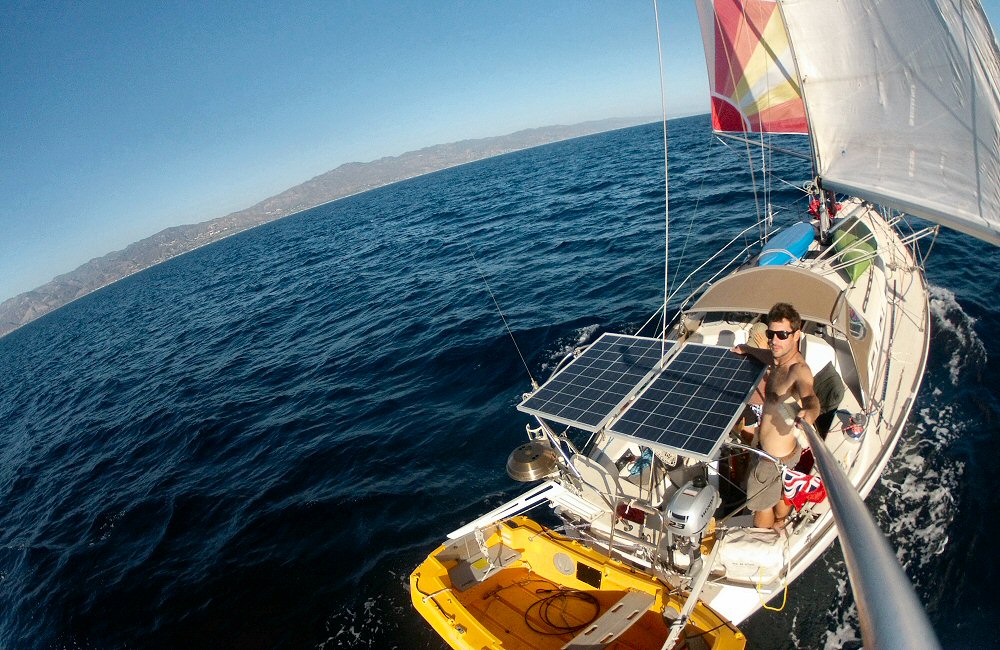
Extra solar panels, smuggled through customs
Forestay attachment on the mast
Forestay attachment and running backstays … had to cut a huge slot in the front of the mast … eek!
Forestay - lower attachment on the deck
Forestay – lower attachment on the deck

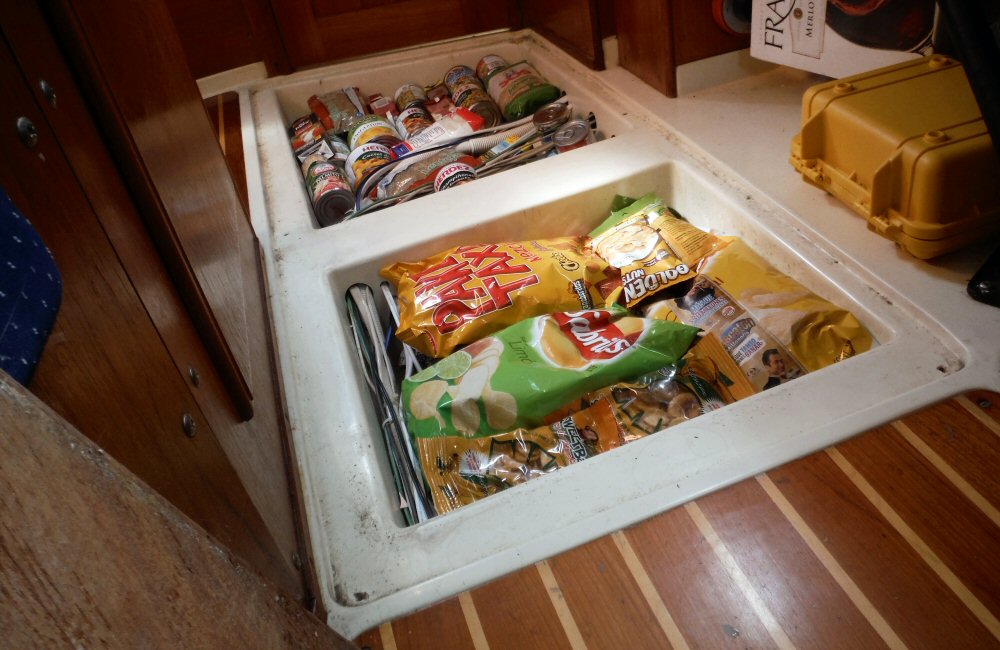
On Friday we did our first major food shop, spending over three hours and thousands of Pesos in the local supermarket … and having to take TWO taxis back to the boat with all the food. With a bit of extra shelving squeezed in here and there, and by squirreling things away under the floors, Rafiki soaked it all up easily. Shopping for many months at a time is an interesting challenge. The first time we’re going to be able to get decent supplies once we leave Mexico is 8 weeks later in Tahiti … where it’s expensive. So we’re packing in as much as we can carry.

Food everywhere!
Food everywhere! Here screwed under the floorboards

Last night we spent at anchor outside La Cruz, 10 miles north of here nestled in the corner of Banderas Bay. We got a good shakedown sail, making sure everything was functioning as it’s supposed to. I tightened the rigging, got the water maker back in action, and we threw the boat around a bit. All systems checked out A-OK. We’d made extra copies of the charts for some other sailors here in the bay, and delivered them up to La Cruz too.

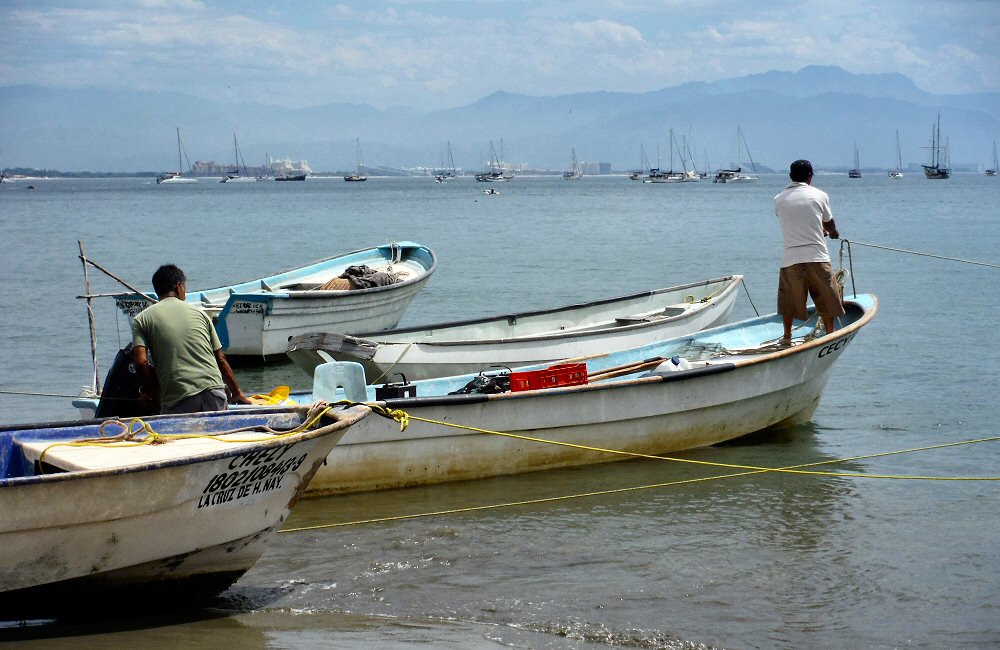
Typical Mexican fishing scene
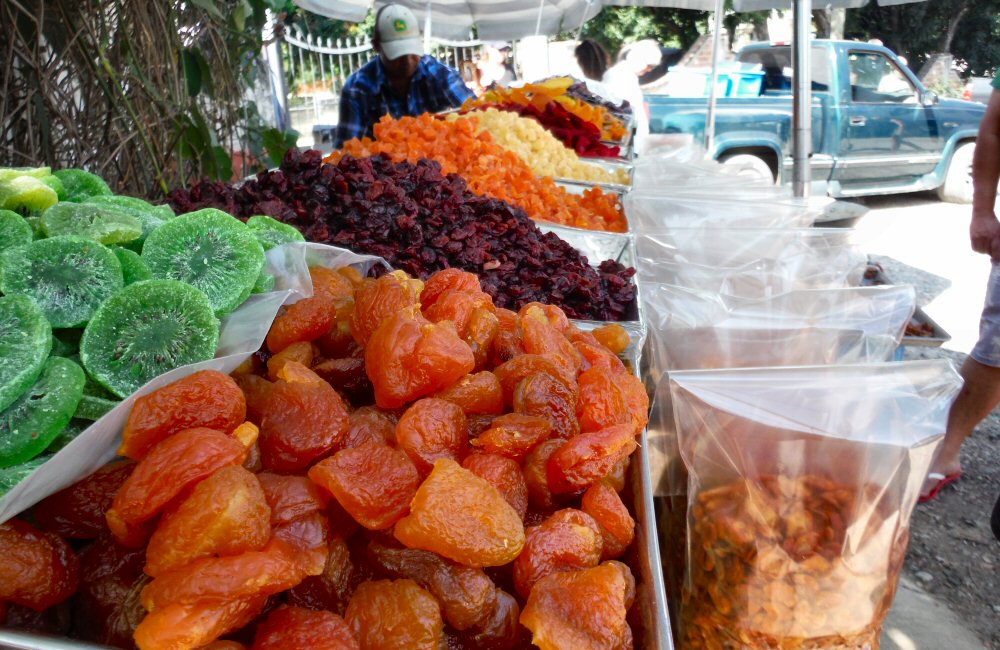
Topping up on a couple of kilos of dried fruit
Grabbing a couple of kilos of dried fruit

The group of boats making the voyage from the Americas across to Australia or New Zealand are called “Puddle Jumpers”, and they have their own radio net each evening to give position reports to each other, and catch up with any other news. It’s on a shortwave radio system (SSB) that I can only receive, since I don’t have a transmitter. It’s the first time I’ve sat down and listened in … the first step towards being out there ourselves. Boats were checking in from as far as Panama and the Galapagos. There’s a “net controller” that will follow us all the way to the Marquesas – these radios transmit a long way. I’ll be sending position reports in by email, and another boat will be reporting us on the net. There’s a list of other boats jumpin’ the puddle here.

The same position (and weather) reports will be displayed on the Rafiki tracker, which I’ve put up on the blog. I hope to get a report sent every few days.

Tomorrow we do our final food shop for fresh food, fill up with water and propane, and get our Mexico clearance papers. Then we’re ready to leave! I’ll post again before we set sail…


Adios, Mexico

Today we fly back to San Francisco for a couple of months. It’s going to be a big change. On the rattly, shaking, only-just-in-one-piece bus today I was watching the palm trees flash by the window thinking how natural it feels. We’ve been in Mexico for more than two months, and have done a huge amount. We’ve voyaged down the remote, arid coastline of Baja California, spending beautiful nights at sea under the dark, starry sky. Sailed with friends around La Paz and across to Mazatlan. Sat out 50-knot winds in the Sea of Cortez. Moved from anchorage to anchorage, discovering the surroundings at each new port and bay. Dealt with the heat and humidity, which hasn’t actually been as bad as I thought it might have been – apart from a few days around San Blas in December. Snorkelled around remote islands, surrounded by boobies and frigate birds. Spoke Spanish every day, gradually improving, learning how to get boat parts bought or repaired, and getting our fill of fish tacos. Become familiar with Banderas Bay; the whales in it and the towns around it.

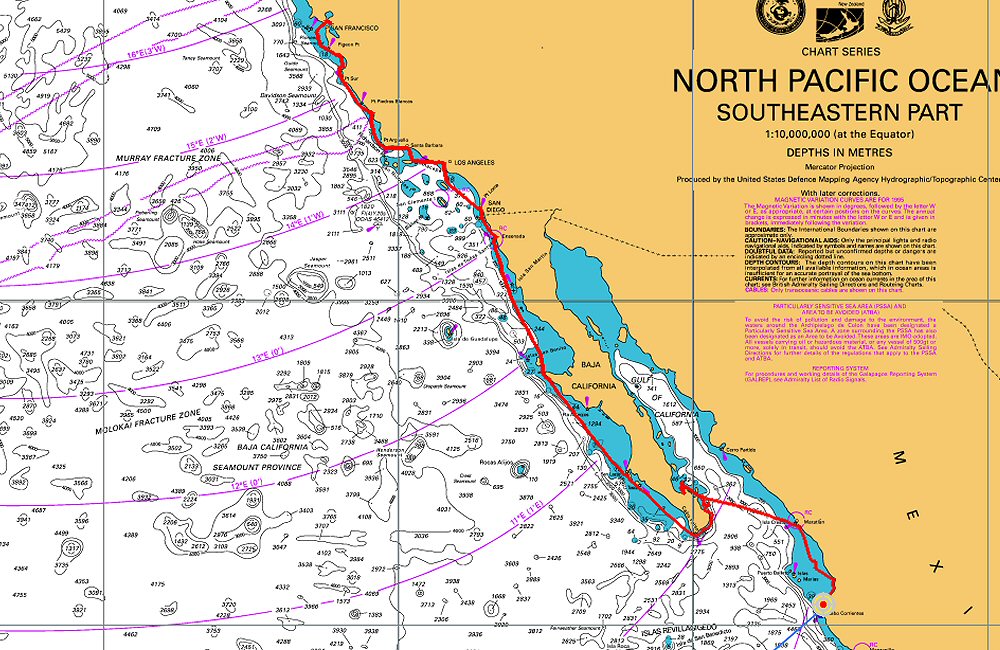
MexicoTrack
2000 miles from San Francisco to Puerto Vallarta


But we’ve reached another crossroads. Work calls, and I need to be full time in the office for a while. Again we’re packing bags for another move. Deciding what stuff stays and what goes. We’ll be in SF during Jan and Feb, and then Rose is going to spend a couple of months on art residencies in the US and Canada. And then I’m going to be heading back down here again at the start of March to set off for Australia! With the ship’s First Mate away painting, I’m currently looking for crew – a process I’ve not been through before, but I’m really looking forward to getting to know some new, interesting people.

The boat is pretty much ready to go; the last few months have been a good shake-down of all the systems. I bought a third marine battery yesterday and built a shelf for it under the aft cabin bunk – the first passage across from Mexico to the Marquesas Islands will be nearly 30 days non-stop sailing, with the autopilot on most of the time … which uses a fair bit of power. I’m going to squeeze in a trip to the local solar panel store just now to see what they have available, and maybe pick something up to install when I get back. That just leaves a few minor jobs, the task of filling the boat with months’ work of food, water and supplies, and then waiting for a good weather window. I can’t wait.

But for now, all that goes on hold while I get my head down for a final, intense push in the office.

Goodbye Rafiki, adios Mexico, for now.

Town and country

Back on the boat after a few days away, it definitely feels like coming home. We spent a couple of nights up in Mexico City – wow, what a crazy busy place. We’d been before, a few years ago, but I still wasn’t prepared for the incredible mass of humanity. The first of the two days wasn’t so busy – a Saturday – we took a bus through the never-ending suburbs to the ruins of Teotihuacan and spent a leisurely day wandering around the ancient pyramids and temple structures. But on Sunday we headed into the old central district of the city. It looked like the other gazillion residents had the same idea. Every street was packed with Mexicans. Big streets, and lots of them. And fairly big people. I don’t think I’ve ever seen so many people in one day! A fun couple of days though, definitely getting a feel for a different side of Mexico. Exhausted, we made our way back to the bus station for our overnight bus.

2014 12 21 1000 Mexico City
Busy busy streets

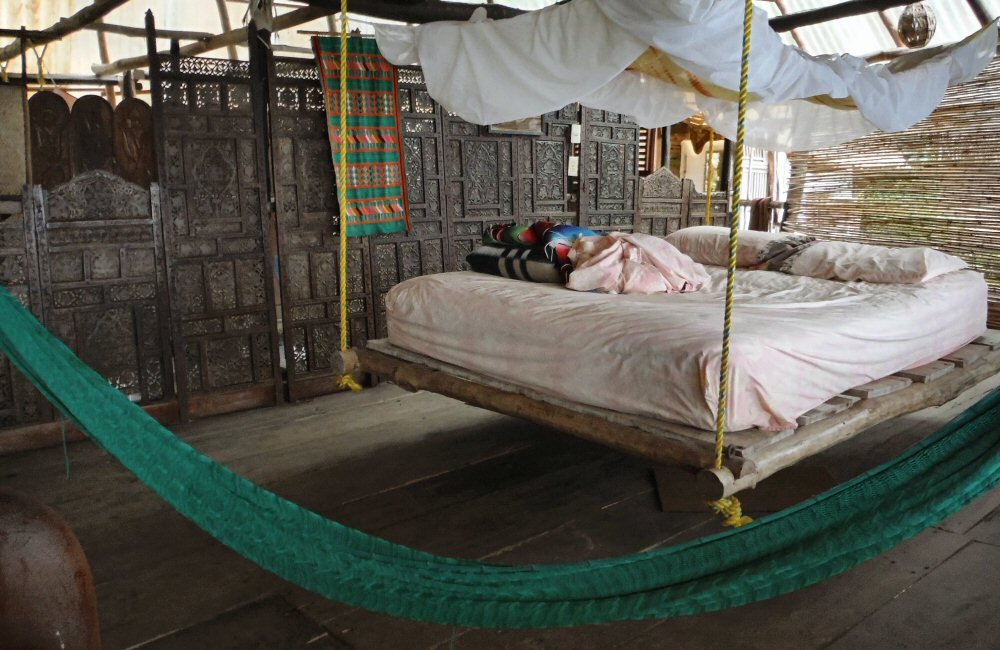
Arriving in Puerto Vallarta fairly rested, we picked up some bags from the boat and then took a water taxi 25km across the bay to Yelapa – a small town where the only access is by sea, by foot or donkey. We’d booked a beach house, a pelapa, for a few days over Christmas. Typical wood and palm construction, just like the ones we used to stay in at the coast as kids. We got dropped off by the water taxi on the local beach, dodging waves to get bags ashore without getting soaked. The village was a short walk away, along the rocky coast path.

2014 12 27 1000 Pelapa

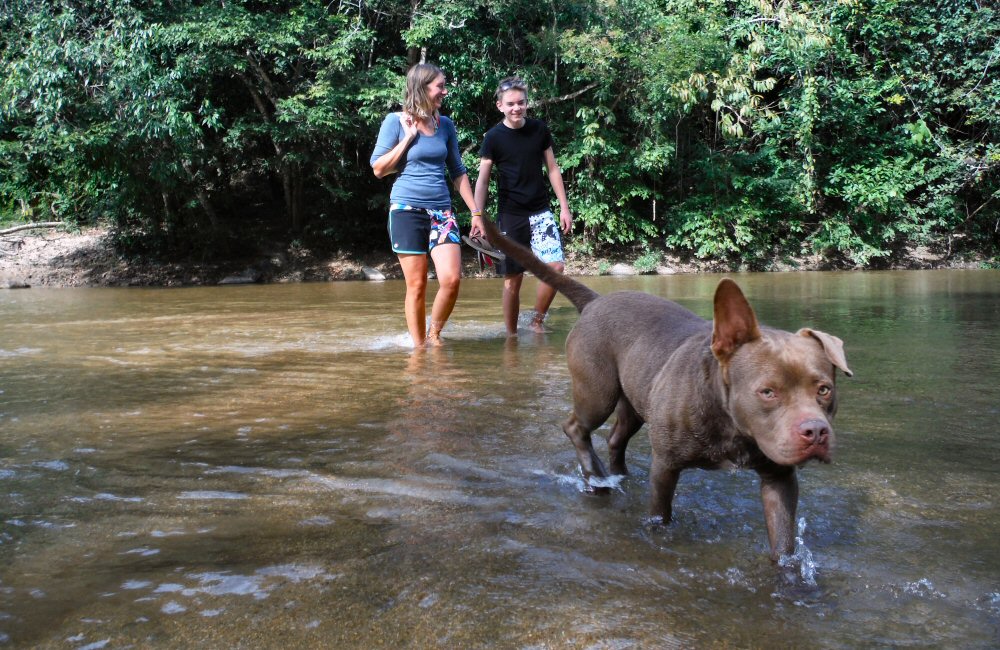
No cars in Yelapa, just a few quad bikes and battered old motorbikes to help ferry provisions and building materials around. The odd horse wanders through with home supplies on its back, without an owner, knowing where to deliver the goods. A quiet, peaceful place – couldn’t have been more different from Mexico City. Though the waves crashing on the rocks just below the front of the house were relentless – we had to shout to be heard, whether the tide was in or out. We played games, explored the village and beach, and spent a day wandering up the valley for an hour or so to a waterfall. A chunky dog followed us all the way – perhaps 4km into the hills. When another group left the waterfall, he followed them back until we overtook them … then he was on our heels again. We finally lost him in the narrow alleyways of Yelapa.

2014 12 26 1100 Waterfall walk

We made a Christmas “tree” from a twiggy branch we found in the sea, and decorated it with whatever we could find. Turns out beer cans made pretty good baubles!

DCIM100GOPRO

2014 12 27 1100 Leaving Yelapa
Leaving Yelapa in the water taxi

On the 27th, we headed back to Puerto Vallarta, where all five of us crammed into a small taxi for the 10 minute ride to the marina at the north end of town. Unloaded all the bags onto the boat and relaxed for the afternoon. Next day was a town day, back in the old town area of PV – the southern end. We’d got Sandy and Jenny a food tour for Christmas, and while they were off exploring taco stands and dulcerias, Ozzi Rose and I caught up with emails, supped coffee and watched the world go by. Lots of touristicos down this end of the town on the Malecon – the big long boardwalk that runs for kilometres along the beach front. And loads of market stands and gift shops; with stuff ranging from cheap junky tee shirts to multi-thousand dollar Mexican art; life size jaguars covered in teeny tiny beads.

On the 29th we had a leisurely morning around the marina, then set sail for Punta de Mita. Within a few hundred yards of leaving the marina entrance we found our first whale, and a lone dolphin. The wind picked up, so we managed to sail – but it was on the nose so it took a little longer than expected, tacking up to the north end of the bay only 15 miles away.

DCIM100GOPRO DCIM100GOPRO

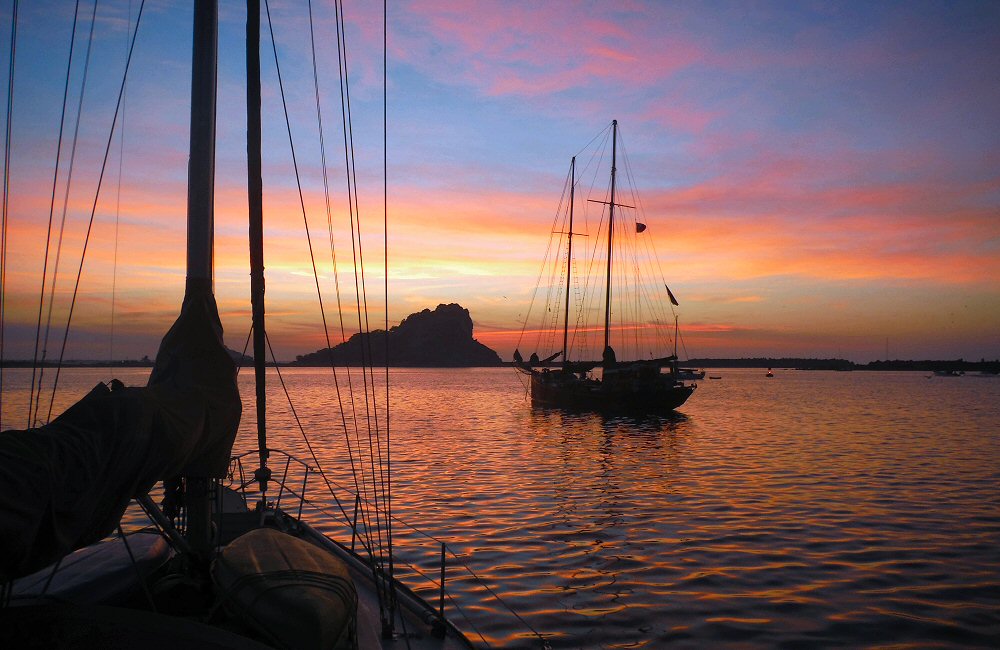
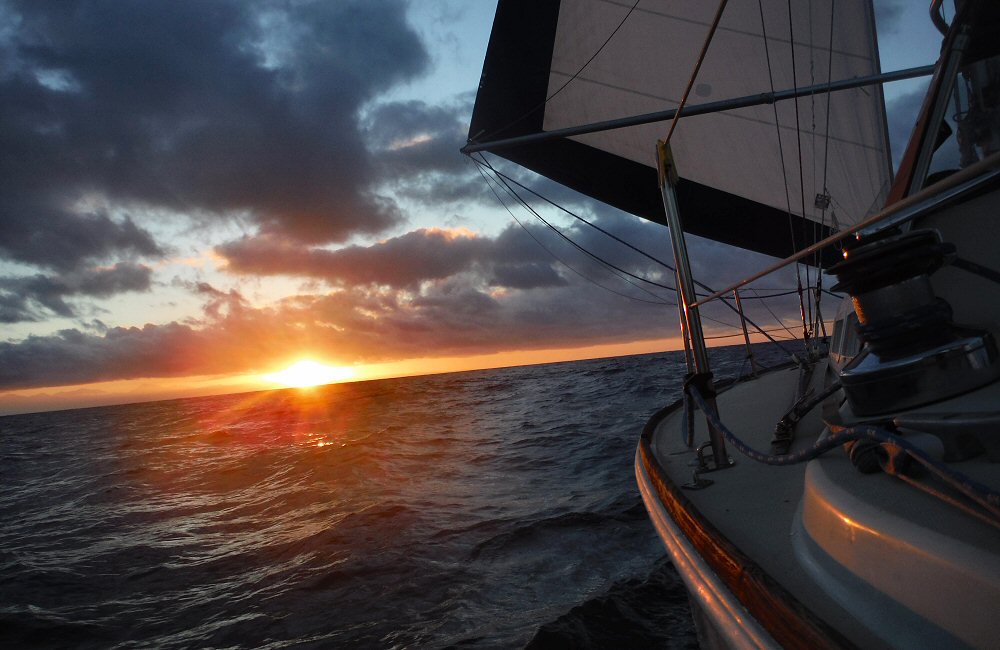
We arrived just as the sun was setting, rushing to get the anchor down so that we could enjoy a rum’n’coke surrounded by the warm colours, peace and magic that comes at the end of pretty much every day round here. Looking back at Yelapa from the other side of the bay, it seems that there’s a different weather pattern over there; cloud cover under the large mountains that make up Cabo Corrientes; the headland at the southern end of Banderas bay.

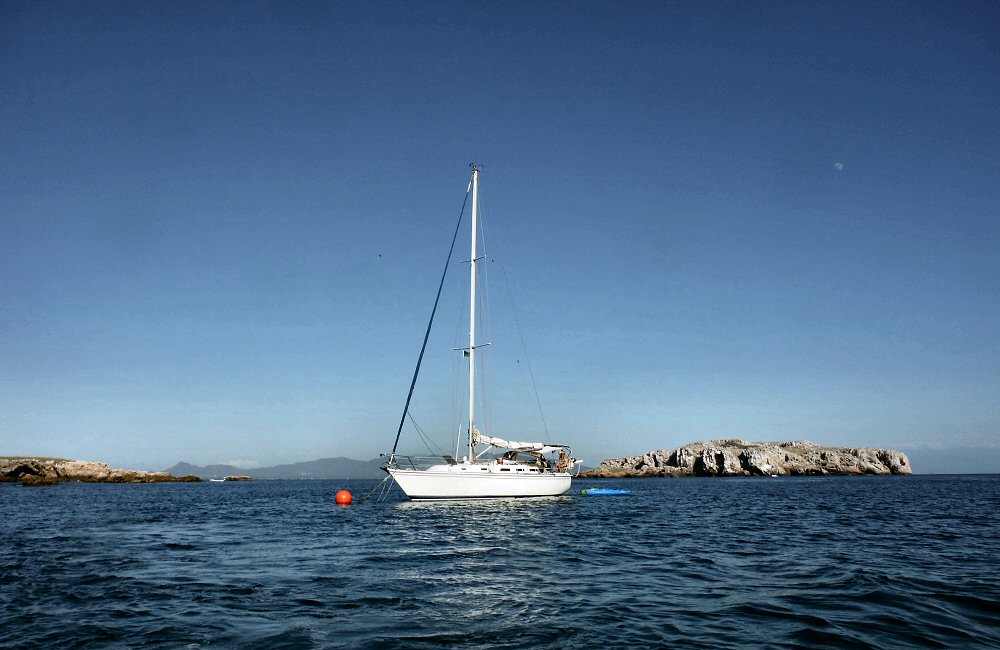
An early start to get to the Marietas Islands before the hordes of tour groups. We upped anchor at daybreak, and motored out through calm seas. Within minutes the first panga sped past at four times our speed, loaded with people in bright orange lifejackets. Arriving at the first island, we saw all the tour boats hanging around. Looked like everyone was in the water snorkelling. Later turns out that this was the “hidden beach”, and they were swimming in. We carried on past, to the western island, and picked up a mooring as another boat was leaving. Another yacht came in just behind us, and within an hour, we were surrounded by motor boats, tour boats and hundreds of tourists in the water, swimming, paddle-boarding and kayaking.

2014 12 30 1000 Islas Marietas 2014 12 30 1300 Islas Marietas

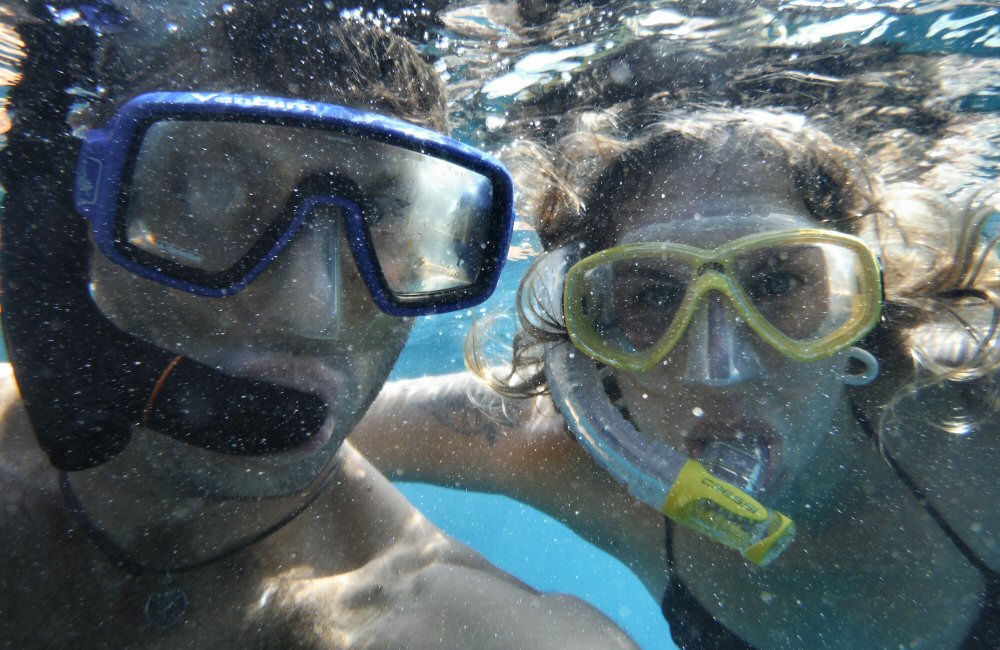
We spent the day there – great snorkelling, swimming, relaxing, people watching. Hearing that the secret beach was on the other side of the first island, we took the dinghy for a recce. Still hundreds of people swimming around late in the afternoon, so we decided to stay on the mooring ball for the night and motor round early in the morning. Had a peaceful night at anchor. Though Sandy heard a boat come alongside early in the morning, voices in the dark, and torches flashing into our boat … but neither Rose nor I heard anything, so we were a bit puzzled.

2014 12 30 1100 Snorkeling at Marietas
Look! A fish!

Even at 8.30 the next morning the cave entrance was full of little orange lifejackets as the first wave of explorers swum in. We picked up a mooring ball, left Rafiki to fend for herself, and jumped in to join them. Yes, it’s a pretty dramatic beach, and probably does qualify as one of the more impressive beaches in the world, but the crowds really detract from what could be a truly magical place. The first boats must have arrived soon after daybreak. We got out of there before the real carnage of mid-morning, and sailed / motored gently back to La Cruz. On the way back, we had our closest whale sighting yet; not twenty metres off the bow was a “whoosh” of breath from a big, slow moving beast, gracefully making its way across our path. Its tail came up to prepare for a deep dive, and then silently slipped below the surface without a ripple. We didn’t see it again.

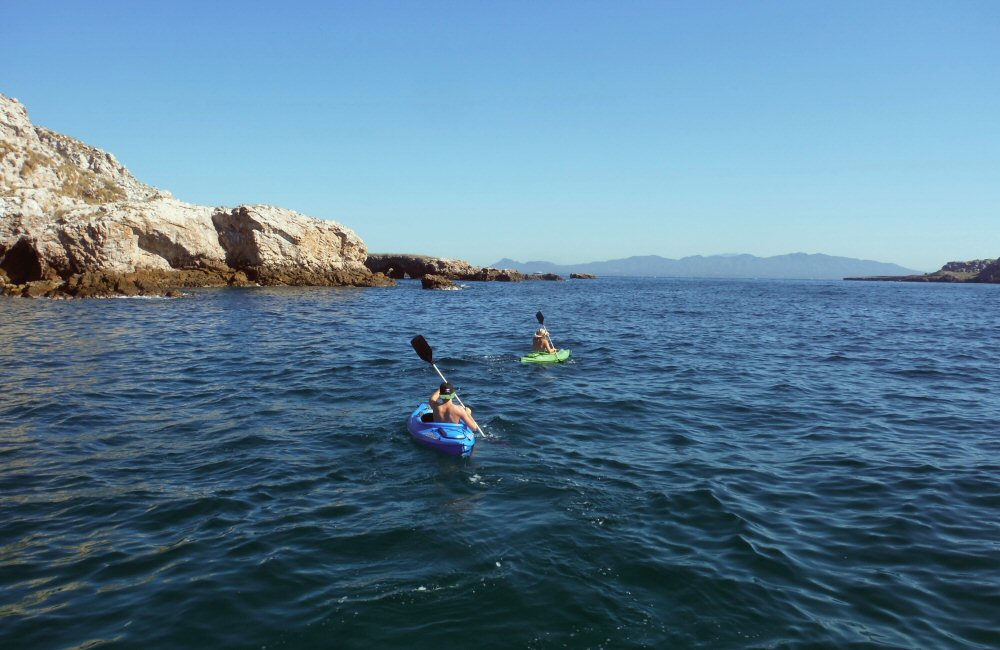
We stopped in La Cruz marina only to fill up with diesel, and then dropped the anchor just outside to rest for the afternoon. Rose and Ozzi took the kayaks out. A chap motored out from the marina to take a look at the kayaks (which are for sale), but decided against it. Boo. I don’t really want them on deck if I’m going to be spending a long time at sea.

Late in the evening we hauled in the anchor and sailed south, towards the fireworks planned for midnight off the Puerto Vallarta malecon. A lovely land breeze powered us along at over six knots in perfectly flat water, and dropped off just as the fireworks begun. Being out in the bay was an amazing place to watch them from – all the different shows all the way up and down the coast were spectacular. Thousands of candle lanterns we being launched from a spot just up the beach, floating off gently into the sky like slow-motion shooting stars in reverse.

2014 12 30 1100 Dance Party
No space is not an excuse not to dance!
2014 12 31 2300 New Year
Welcome 2015!

Back to the marina for the rest of the night, and then a restful morning before dropping family off at the bus station for their overnighter back up to Mexico City. A really nice couple of weeks. Now to catch up with some work, and prepare the boat.

To Puerto Vallarta

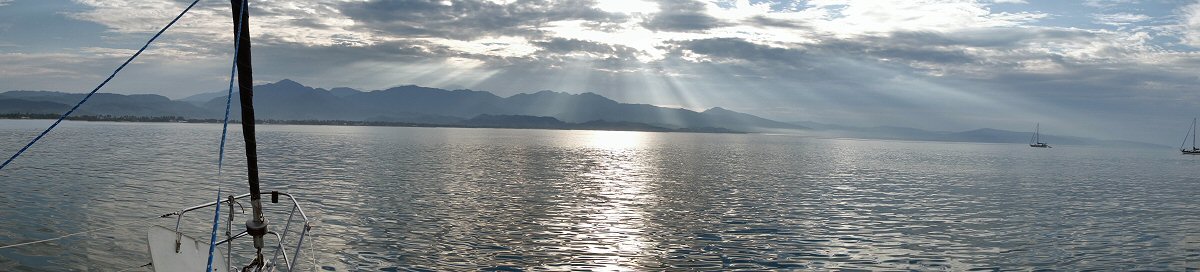
Son Saturday morning, we spent a final morning in Matanchen Bay, waiting for wind to carry us on south towards the next stop, Chacala. Wonderful jungle and mountain scenery around the bay – Emma took a good panorama:

2014 12 12 1000 Matanchen Bay panorama
Matanchen bay, San Blas

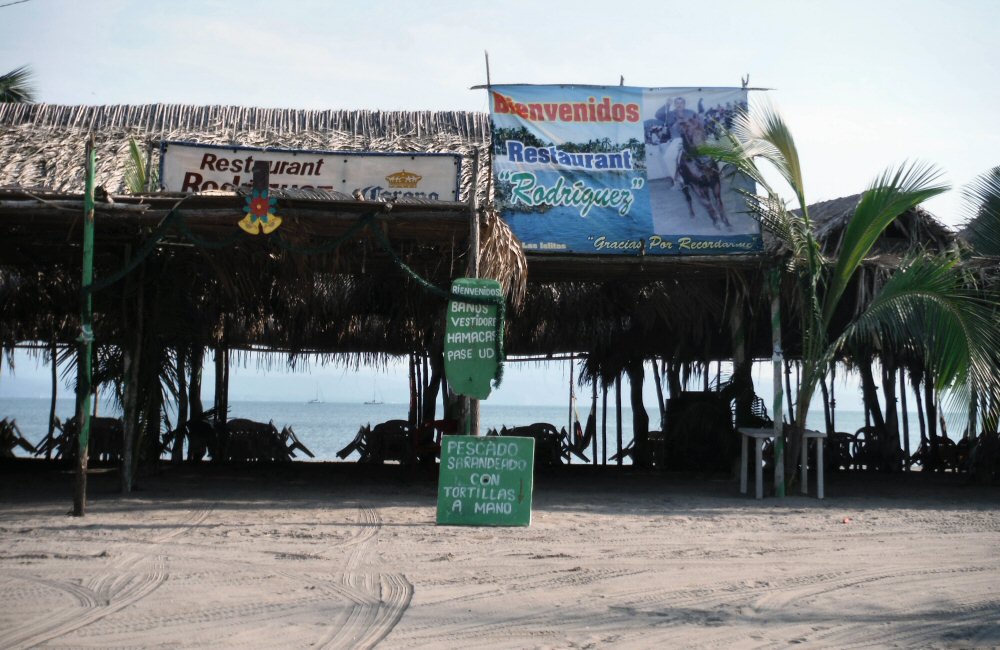
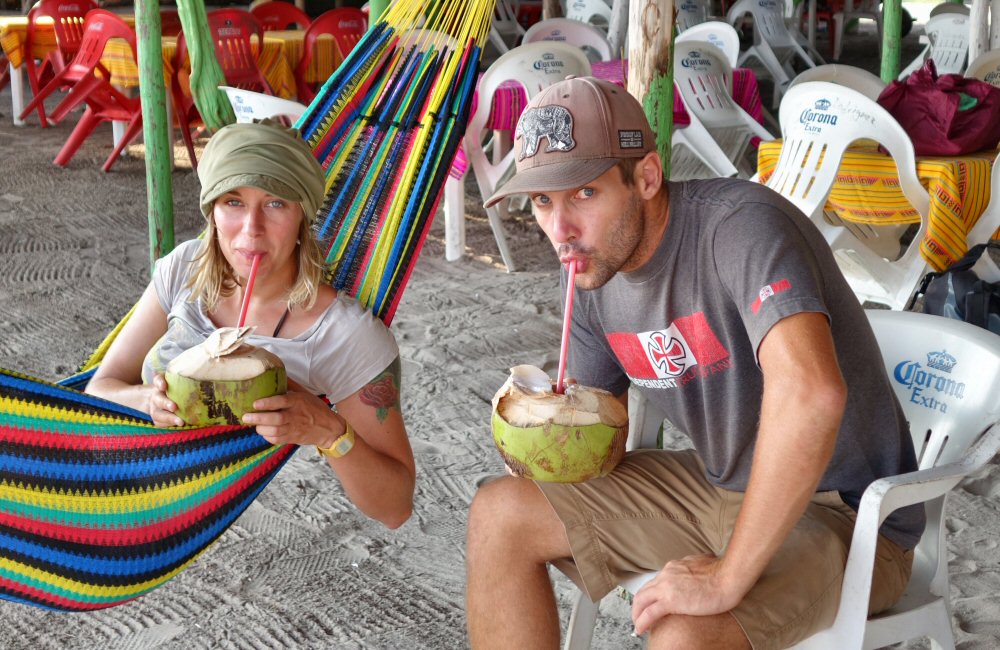
When ashore, we left our dinghy in the hands of Tony and Rodriguez, where we managed to get our first coconut drinks of the trip 🙂

2014 12 12 1000 Matanchen bay 2014 12 11 1700 Coconut time

Usually any wind there is comes along around midday. With Chacala only being 20 or so miles away, there was no point motoring in the morning and sitting around at anchor during the windy afternoon, so we were in no rush. After a short while motoring, a little breeze came in and we managed to get the spinnaker up for the rest of the afternoon.

2014 12 13 1600 Foredeck crew
Well trained crew getting the spinnaker down

Dropped the hook in the bay just as the sun was starting to give some colour to the dramatic skies forming in the west. A storm out in the Pacific was pumping up some impressive cumulus clouds, and also sending some good sized swell into the anchorage. To stop the boat from turning side-on to the waves when the wind dropped off, which would make it too rolly to sleep, we set out a stern anchor to hold the back of the boat towards the beach and the bow towards the incoming waves.

2014 12 13 1800 Chacala anchorage 2014 12 13 1900 Chacala sunset

With both anchors set and holding well, we rowed ashore to find a mojito. Chacala (the beach front at least, we didn’t explore more) seems like a lovely little place, no big hotels or condos; just a few bars on the sand and houses amongst the palms rising up onto the hills around town. The dinner menu was too tempting, so we ended up filling our bellies with nachos too, before heading back to the boat. A beach bar was thumping out music well into the wee hours, which turned into karaoke at 3 in the morning – so the night wasn’t peaceful.

We woke ourselves up with a swim to the beach for breakfast and fresh coffee in the sunshine. It doesn’t get much better than this!

2014 12 14 1000 Chacala breakfast
Breakfast view – Rafiki at anchor at Chacala

Sunday 14th

Leaving Chacala mid-morning, we motored and sailed 40 miles to Punta de Mita, just inside the northern end of Banderas Bay. We anchored as the sun was setting, and had a tranquil night at anchor.

2014 12 14 1100 Emma at the wheel
Emma takes the wheel!

Monday 15th

Set off in a light morning breeze for La Cruz, further along the northern shore of the bay. La Cruz is a popular spot to anchor, with a marina, shore services and a community of people that spend months here on end. It was the busiest anchorage since La Paz, but plenty of space for loads of boats. Pretty hot, and not much breeze. I scrubbed weed and barnacles off the bottom while the girls relaxed, and then we explored ashore when it got cooler in the late afternoon. Not many people around. It feels like the off-season; maybe the Christmas peak hasn’t come yet, or maybe tourism is just bad this year? A nice little town though, I can see why people prefer to be up here rather than down in the big city of Puerto Vallarta.

2014 12 15 1700 La Cruz
Looking out over the anchorage at La Cruz

Tuesday 16th

Anchor up again in the morning, for a short 5 miles down to Paradise Village marina where we planned to be based for the next few weeks. Ended up waaay down the end of the marina, in a slip by a casino, car park and road – not ideal. We made use of the pool, had showers, and spent some time online. Being a long way up an estuary, the water was dead calm and there wasn’t a breath of wind – which made for the calmest night since we were at El Cid marina over 2 weeks ago. It’s only when the boat stops moving completely do you realise that at anchor the boat is always moving, even just a tiny bit.

Wednesday 17th

Next day we caught a couple of buses into the centre of Puerto Vallarta to explore. I also wanted to check out the other marina in the area, to see whether it was worth moving, and if they had any spaces. Turned out that there was plenty of room, and it looked like a much nicer place to be based. Fortunately we’re only paying day-by-day up at Paradise Village. We wandered along the malecon (beach front), did some Christmas shopping, and then took a series of 3 buses back up to the boat.

2014 12 16 1200 Puerto Vallarta Malecon 2014 12 16 1200 Puerto Vallarta statues

Paradise Village is in Nuevo Vallarta – a few miles up the coast from Puerto Vallarta. It’s a “beach resort and spa” – full of tourists, shops and tackiness. There’s a yacht club there which appears to be the social hub of sailing in Banderas Bay, but again it seemed really quiet – we stopped in for a drink before making a basic dinner aboard.

Thursday 18th

Last day with Emma! It’s been an awesome couple of weeks, seeing a load of different aspects of Mexico – from the remote island of Isabella to the dusty, hot streets of San Blas, and the bustle of Puerto Vallarta. While I went and sorted out the marina fees, the girls cleaned the boat; emptied water tanks, filled with fresh water and prepared to move the boat down to Marina Vallarta, about 5 miles further south.

DCIM100GOPRO
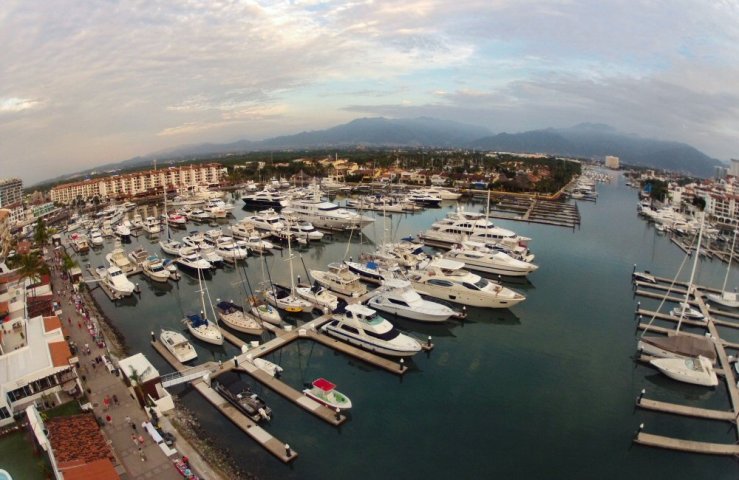
Marina Vallarta from the bar at the top of the old lighthouse … see Rafiki looking small in slip 4 of the first dock!

With Rafiki settled in her new slip, we spent the day doing errands and chores. I checked the boat in with the Capitania de Puerto; basic paperwork that needs to be done at each major port. Some ports are OK with just a radio check in / out, but as we’re leaving the boat here for a while, it’s good to be on their records properly. Turns out the slip they gave us is right next to Jeff on Amante! Just time for a final beer as the sun set over the marina, up in the old lighthouse, and then goodbyes before we jump on the bus up to Mexico City to meet Rose’s tribe.

Mazatlan to San Blas

Finally it feels like we’re slowing down and starting to soak up the tropical coast of Mexico. We’re spending more than one night in places, and spending more time resting and exploring than sailing. Emma joined us nearly a week ago in Mazatlan, where we stocked up on fresh fruit, veg and of course a big bag of tortillas, and then set off for Isla Isabella – 80 miles southwards. Sailed through the day with plenty of wind behind us, sun and calm seas – a perfect introduction to tropical passages for Emma. Late in the afternoon we saw a couple of whales – probably humpback, with the biggest breach we’ve seen so far.

2014 12 04 0630 Dawn in Mazatlan

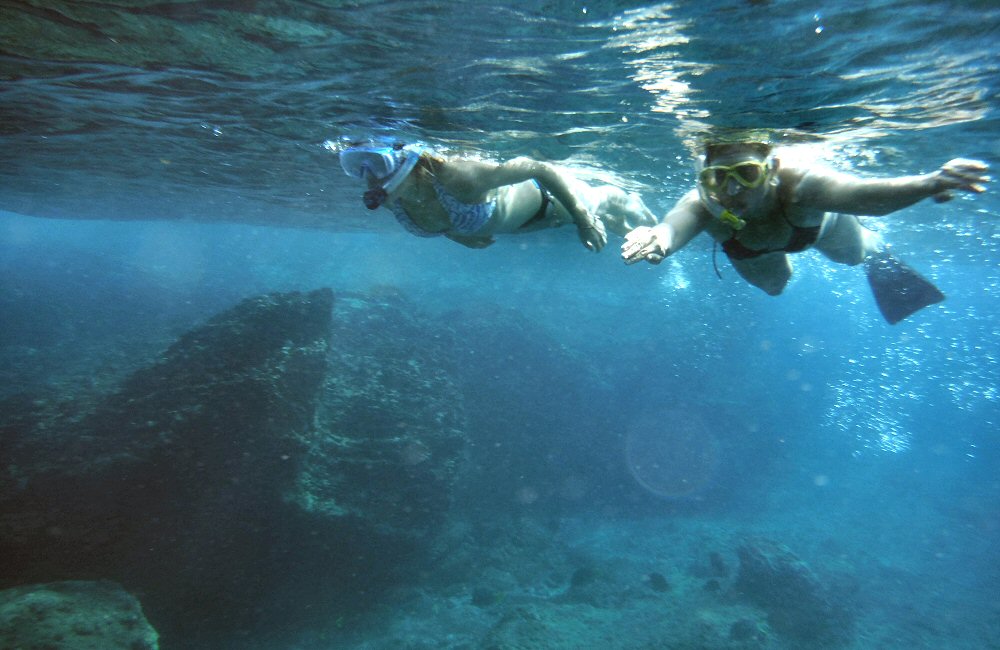
We sailed on through the night, but ahead of schedule, we had to do a big dog-leg to pass time so that we arrived during daylight. As we approached the island, another boat came powering out of the darkness and snuck into the anchorage just ahead of us, taking the last bit of sandy bottom. We had to anchor over rocks, which sometimes makes it hard to get away again with tangled chain, or sometimes the anchor won’t set properly. We dropped our hook over a nice solid looking ledge, which was strong but gave us some trouble a couple of days later. First job; get in the water! The island is a natural reserve, with supposedly the best snorkelling on the Pacific coast of Mexico. With clear water at over 32 centigrade, it was good – loads of different species of fish of all colours, but very little live coral. I cleaned the barnacles off the bottom of the boat – they’d attached themselves in the week we were at Mazatlan in polluted water. We’re also a bit heavy, and low in the water, so the antifoul paint doesn’t come all the way up to the waterline. That’s something I need to figure out how to sort … ideally without hauling the boat out of the water.

DCIM100GOPRO DCIM100GOPRO 2014 12 08 Rose and Emma 2014 12 08 Snorkelling

We spent a couple of days exploring the island and the sea around it, meeting up with folk on another couple of boats; Jeff, Paige, Kim and Conrand on Amante, and Rob, Nancy and Mike on Shindig. The island has thousands of nesting frigate birds and boobies, including the rare blue-footed boobie. Most are not afraid of people, so we managed to get up pretty close. Iguana too, though not large one, and I think just a land species.

DCIM100GOPRO

During the second night, the wind swung around, and we dragged our anchor chain neatly around a large boulder on the sea floor. This meant that whenever the boat rose on a wave, the short chain came tight with a nasty crunch. Sleeping in the forward cabin wasn’t really possible; Rose moved to the main saloon, but I stayed up front as I wanted to try and stay awake to listen for anything breaking. If the chain had broken, or something else gone awry, we would have been on the rocks of the island pretty quickly. It wasn’t windy, but we were only anchored in 4m of water not far off the shore. Morning came without any problems, and as is often the case with noises it sounded worse than it was. We spent a while shuffling the boat back and forth around the boulder to free the chain, then headed off towards the mainland.

TrackToSanBlas
Isla Isabella is the white star

9 hours of motoring later, in calm, grey, humid weather, we arrived at Matanchen Bay, just south of San Blas, where we anchored way out in the middle, hoping to be out of range of the attack squadrons of mosquitoes and jejene bugs. Amante had arrived a short while ahead of us, and invited us ashore for a beer – right into the depths of bug territory, at the worst time of day (sunset). We went anyway, plastered with bug repellent. After a couple of beers and a bit of leg slapping, the bar owner wanted to close up so we headed back to the boats where we joined up for dinner aboard Amante.

2014 12 10 1600 Approaching Matanchen Bay

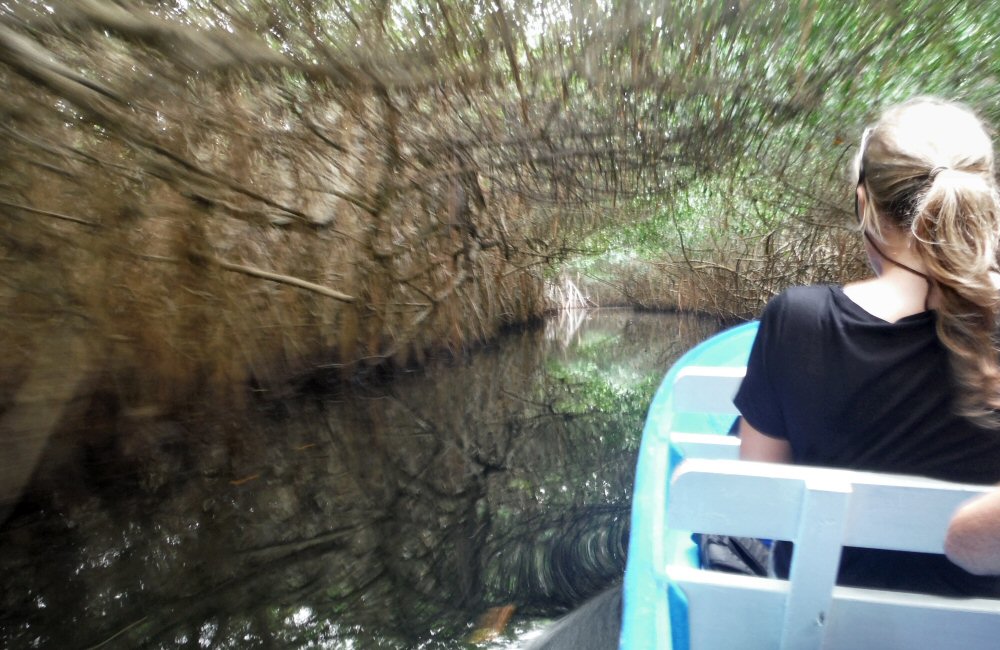
Spent Thursday exploring on land – starting with a “Jungle tour” up the river to a crocodile sanctuary. Mangroves turned into trees, rushes and reeds as we bumbled further upstream, eventually ending up at a slightly run down place where they had a range of creatures in cages. Crocs, parrots, pigs, deer, coati (something I’d never seen before – a bit like a possum) and a couple of agitated looking jaguar in a cage that was too small and too much concrete. Just around the corner from the sanctuary was a restaurant with a netted-off area of river for swimming. Nice to get the salt off!

2014 12 11 1000 River ride

Caught a taxi into San Blas to get some lunch – tasty fish tacos on the street – and have a look around. The look-around turned into a lazy afternoon in town, and we ended up getting back to the beach at sunset again, walking through the mangrove swamps just as the nasties were rising to go out hunting for blood. Running, for the dinghy, we threw a couple of dollar bills to the guy looking after the boats, and dashed out to sea. Everyone came back to Rafiki for beers, drinking late into the night – late for us being any time after 8pm now!

It’s been really humid for about a week now; I’m not sure if it’s just the weather at the moment, or the location. We’ve not had much wind. Hopefully it will get a bit drier soon. All the bare teak on board is dark with moisture; little specks all over the floors where I’ve dropped tools and damaged the varnish over the past year. Our veg only lasts a few days – oranges going mouldy pretty quickly. We washed all the fruit and veg in an iodine solution in Mazatlan to kill bugs and make things last longer. Getting used to food management in the tropics!

Off to town now to stock up on provisions again, and find some internet.

To Mazatlan

ToMazatlan
Puerto San Lucas to Mazatlan

Puerto San Lucas > Los Frailles > La Paz > Isla Espiritu Santo (two separate anchorages) > Maztalan

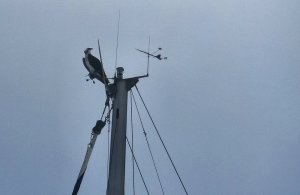
We arrived in Puerto San Lucas, in San Jose Del Cabo, a couple of days before Dan and Mel arrived, which gave us time to get on with some work. A load of Ospreys around – causing trouble with peoples’ masthead instruments. I ran a stick up the spin halyard to make it harder to land, but the cheeky thing still managed.

2014 11 17 1000 Osprey on masthead
Osprey kept sitting on our instruments even after I put a spike up

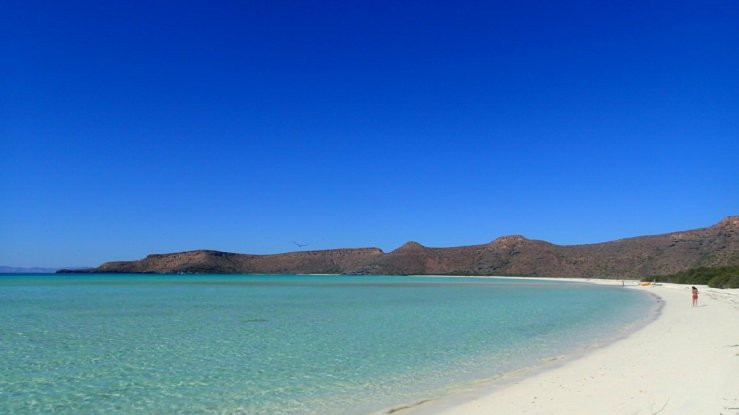
We left Puerto San Lucas and headed around to Los Frailles – an anchorage about 35 miles up the coast. Hopped over the side – water at 32 degrees! Some good snorkelling.

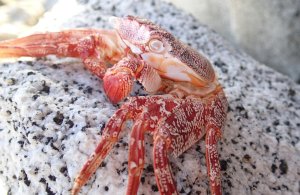
OLYMPUS DIGITAL CAMERA
Dead crab at Los Frailles
Rafiki at Los Frailes
Anchorage in Los Frailles, first stop after Puerto San Lucas
2014 11 18 1700 Fresh shower at Los Frailes
Fresh shower on deck
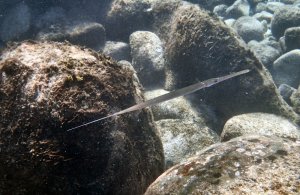
OLYMPUS DIGITAL CAMERA
Pipe fish
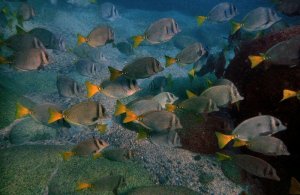
OLYMPUS DIGITAL CAMERA
Stripey fish
2014 11 19 1010 Fish
More stripey fish

Then round from Los Frailles to La Paz – 100 miles upwind through the day, a windy bumpy night, and then into La Paz the following afternoon.

OLYMPUS DIGITAL CAMERA
Leaving Los Frailles
OLYMPUS DIGITAL CAMERA
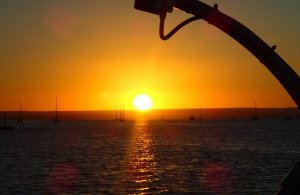
Sunset in La Paz

Stocked up on food and fuel in La Paz, then a short day sail across to Isla Espiritu Santo – a large open bay on the south western side. Spent a couple of nights here, exploring ashore, having fun in the water and relaxing.

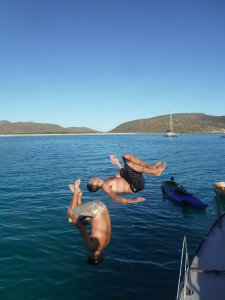
2014 11 23 1000 Backflipping
Dan and Chris practicing backflips off the boats
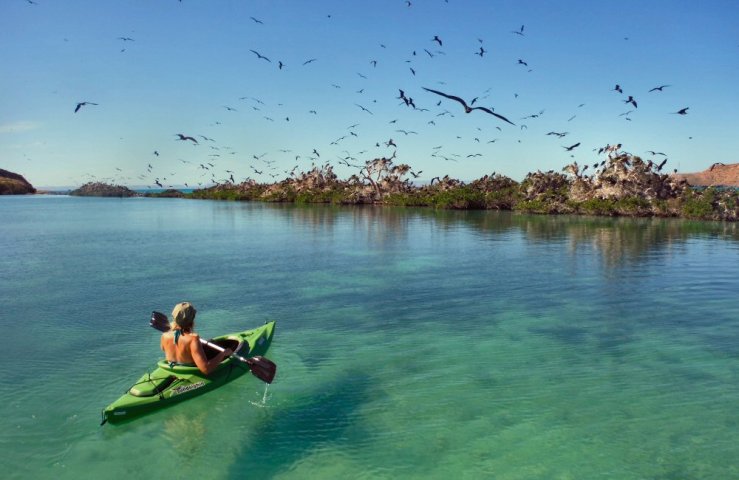
2014 11 23 1100 Frigate birds
Frigate bird colony on Isla Ispiritu Santos
OLYMPUS DIGITAL CAMERA
Isla Ispiritu Santos
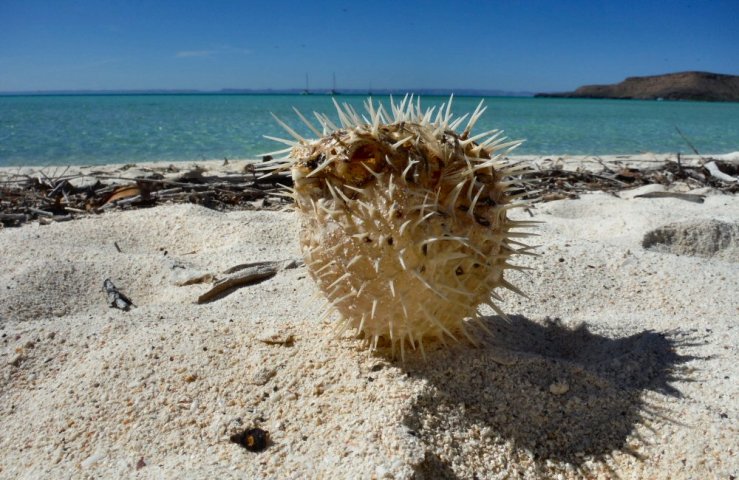
2014 11 23 1200 Puffer fish on beach
Loads of dead puffers on the beach
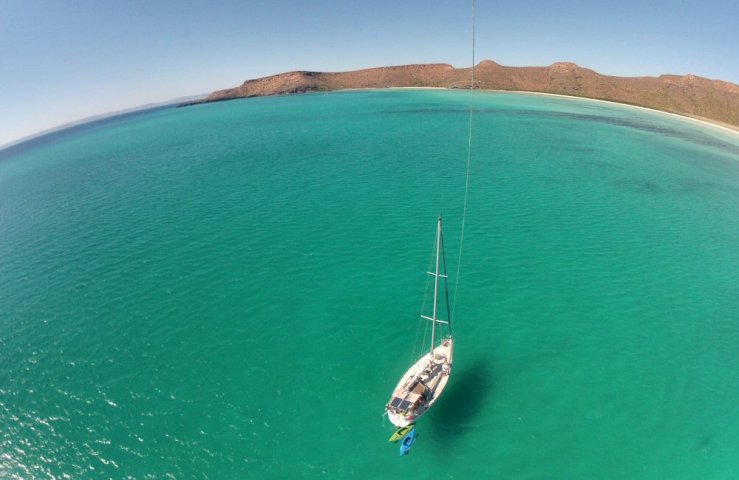
Rafiki in the Sea of Cortez
Anchorage on Isla Ispiritu Santos
OLYMPUS DIGITAL CAMERA
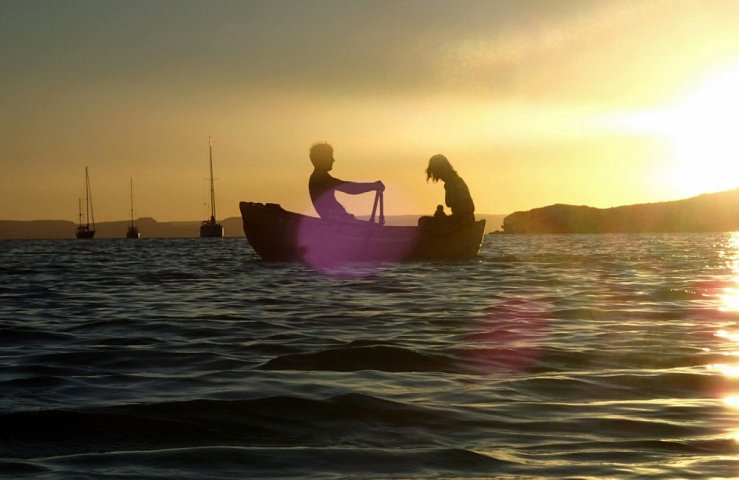
Rowing back home
OLYMPUS DIGITAL CAMERA
Dan paddling at sunset
OLYMPUS DIGITAL CAMERA
Mmm BBQ
DCIM100GOPRO
Strong wind up to La Partida
2014 11 24 1430 La Partida approach
Getting the main sail tucked away
DCIM100GOPRO
Beach at La Partida
2014 11 24 1530 La Partida
Anchorage at La Partida
2014 11 24 1700 Back to the boat
Happy crew!
2014 11 24 1800 Diving off the bow
Diving over the sun
Rafiki, La Partida
OLYMPUS DIGITAL CAMERA
Fishing shacks on the beach
2014 11 26 1300 Windy passage
Leaving Baja for the mainland – still windy on the tail of a norther
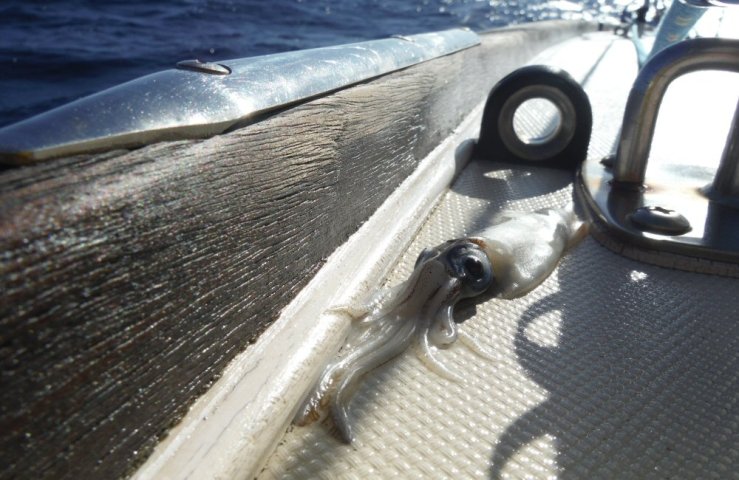
2014 11 27 0800 Squid on deck in the morning
Squid on deck in the morning
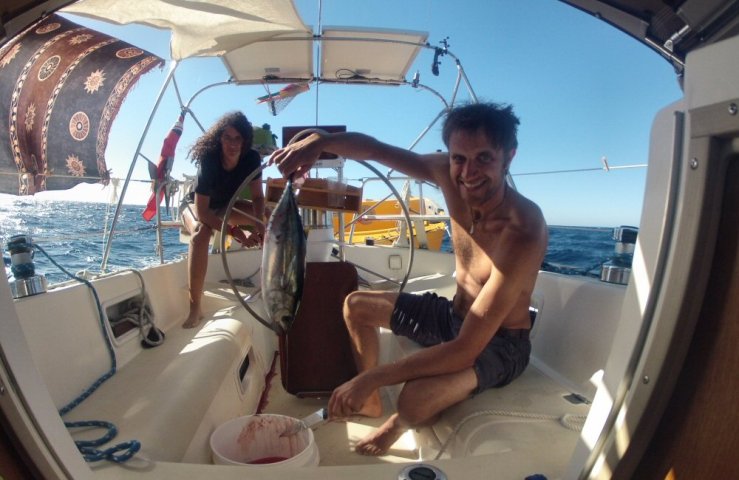
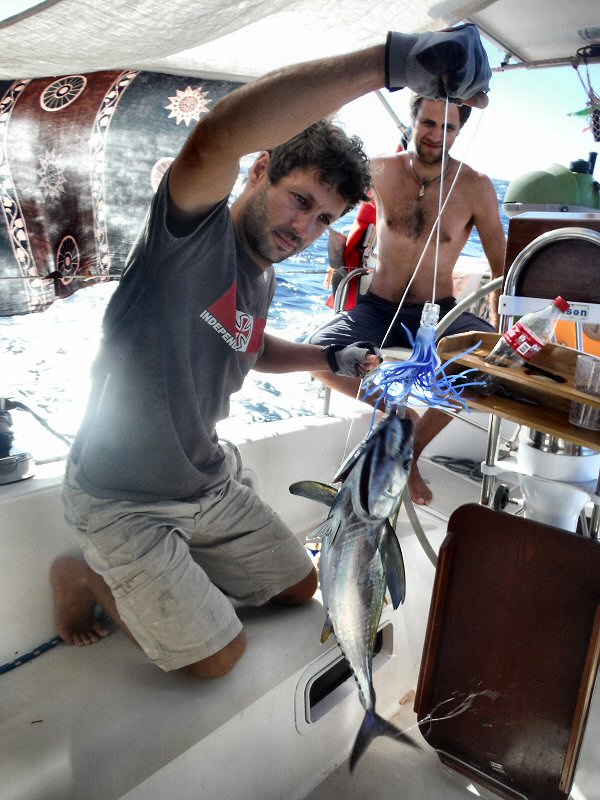
2014 11 27 1500 Tuna catch
Dinner!
2014 11 27 1500 Tuna
Maybe a bonito?
OLYMPUS DIGITAL CAMERA
Anchored off Club Nautico in Mazatlan

On passage with Rafiki

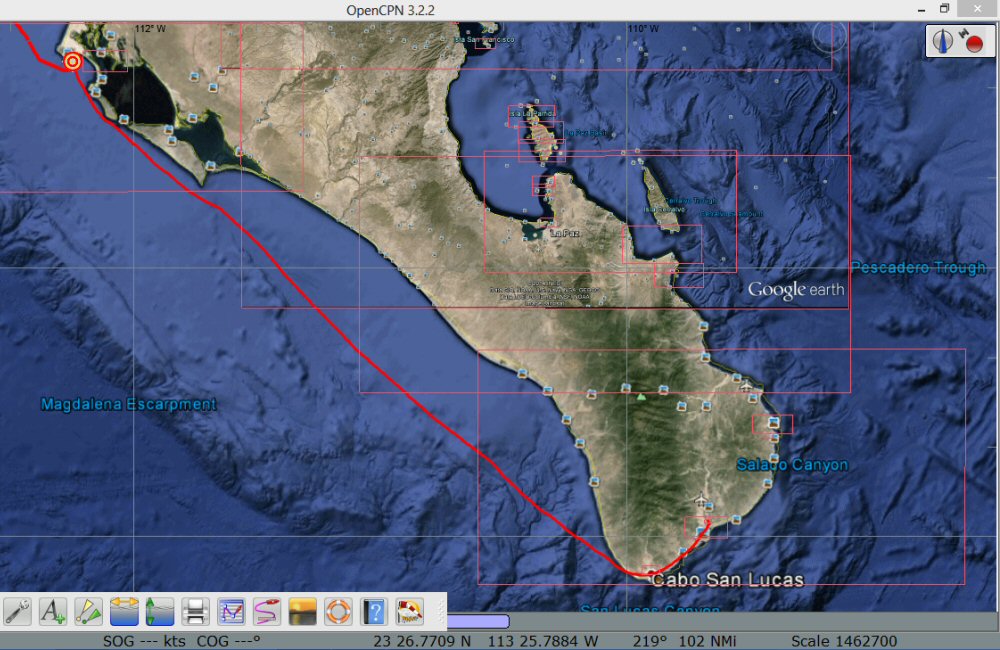
Bahia Santa Maria to Puerto Los Cabos
195 miles, 33 hours

0400 Wake up. Dead calm. Don’t want to get up. Do we HAVE to leave now? I left my alarm on the chart table so I’d have to actually get up and turn it off – thinking that once I was out of bed it would be easier to stay out. Wrong. Straight back under the covers and I’m asleep again. It’s so peaceful, the only noise is the sound of the surf on the beach in the distance.

0530 Wake up again, the boat is rolling a tiny bit. Poke my head up through the hatch – there’s still no wind, but now I’m awake and we really should push off. I slip some shorts and a tee shirt on, and flick on a bunch of switches on the dash. VHF radio and instruments for the boat, water pump and gas for a cup of coffee for me.

0545 Anchor up and we’re off. I turn the anchor light off, and the masthead tri-colour on. Looking up to see if it’s working, I see the bright half-moon sat on the top of the mast.

0600 Spent half an hour trying to get my laptop working properly. It boots OK, but shortly after startup the touchpad stops working. Fortunately I can still find my way around using keyboard shortcuts, and finally once I’ve uninstalled and re-installed the touchpad driver, we’re back in action. While I’m sorting the computer out, we pass a couple of fishing trawlers, creeping slowly along hauling their nets behind them. At first I’m not sure if they are anchored or moving, I can’t assume they are showing the right lights or shapes to indicate what they are up to. Gradually we get close enough for me to see the towing lines in the half-light through the binoculars, so I steer clear and pass them with plenty of room.

0650 Feel a breeze coming from the land, is it strong enough to sail? This is a sailing boat, gotta try and sail. Optimistically take the sail ties off the mainsail, but have second thoughts before raising it. Having the main up when there’s not enough wind just means that it flaps and slams around, which is noisy, tiring and doesn’t do the sail any good at all. The numbers on the display say the wind is between 5 and 10 knots – really not enough to sail. Sometimes we put the main up just to stabilise the boat, to stop it rolling, like a fin in the sky, but it’s not too rolly at the moment. Rose is still asleep in the vee berth in the bow, I figure she’s comfy enough, I’ll leave the sail for now.

0710 The first gallon of water is spilling over in the galley sink. When we have the engine on for any long period of time, we run the watermaker to top up our tanks. So far we’ve not used the tanks much, we’ve been motoring so much and have been refilling a load of plastic bottles and putting them back in the fridge. We both had showers last night and used a good few gallons then, so I’ll keep the water coming as long as we have the motor on, transferring a gallon at a time into the stern tank under the berth in the aft cabin. Making 3 gallons an hour, I have to remember to go and get the water every 20 minutes.

0720 Mainsail is up. Breeze has increased now, showing between ten and fifteen knots. Yup, we’re sailing! Time to get the jib out and hopefully turn the engine off. We’ve got just under 200 miles to San Jose del Cabo, which at 5 knots will take us about 40 hours. It’s early on Friday morning now. Rafiki doesn’t do more than 4.7 knots with the engine running, unless I really crank the revs up, so we need wind to make it into port before midnight on Saturday.

0730 The jib is out, but even with the engine on we’re only just making over 5 knots. I throttle back a little to see if the engine’s actually making any difference – yep, it is, so we’ll leave it on. If we didn’t have a schedule and could spend a week drifting down the coast, I might turn it off and just go with the wind, but with Dan and Mel turning up in 3 days, we need to get a wriggle on. I look up and spot a couple of buoys off to starboard, and realise I’d completely forgotten to keep an eye out for fishing floats! We really don’t want to run into a net or a line and get tangled up. Fortunately, I’ve never run into lines at sea. Rafiki has a deep fin rudder that would probably catch on anything we sailed over, so we need to be vigilant. If the engine’s on then the propeller is spinning, which makes it potentially much worse. I really don’t want to have to go over the side and sort out a tangled prop. When it’s dark, there’s not much you can do – you just take your chances and trust in lady luck, but when it’s light and the seas are calm, there’s no excuse. Slap on the wrist.

0750 Checked emails via the sat phone. Just one – a reply from the office with guidance as to what to work on next. I’ll get down to some coding after breakfast.

0800 One of the trawlers we passed earlier is overtaking us to port, between us and the land which is now a couple of miles away. Barra de Pacifico II is the name painted in old Spanish style script on the bow. It’s got its nets hauled up, looks like they are ready to pull in the catch. Sitting in the rigging are perhaps fifty big, black birds. Every now and then one has a flap around and I think I recognise them as frigate birds. Long, slender wings and a distinctive long forked tail. Looks like a couple of pelicans hitching a ride too. Wind has dropped off to almost nothing, so I’ve rolled the jib away. The main isn’t so easy to drop and hoist, so it’s still up – I’ve rigged a preventer line from the boom forward down to a strong point at the base of the shrouds to stop it flapping around too much. Even the slightest roll of the boat is enough to get the sail flogging back and forth. Each time it comes to the end of its flap there’s a strong tug, so the idea is to stop it flapping as much as I can. Since it’s been calm for most of the night, there’s hardly any swell, so the rolling isn’t so bad. A few days ago, between Ensenada and Turtle Bay, we had a load of wind, generating swell, which then dropped off leaving us just wallowing around. Had to take the main down then as it was really tugging hard.

0850 Splash! “Wooooooah, Rose, look at that!” Off in the distance a whale is breaching, powering itself up out of the water, arching over onto its back and crashing back down into the sea. We watch it for half an hour as it works its way towards us, but it’s still a long way away. Maybe a humpback? I’m not a whale expert, and you only get to see a small part of it at a time. Small dorsal, white patches on the underside of the tail, sharpish head…. Checking the guide to Pacific sea mammals, it could be almost any of them. Our best whale sighting so far! Still no wind … chug chug chug.

0945 Crossing the entrance to Bahia Magdalena (“Mag Bay”), we get a breeze from the east. Enough to get the engine off and cruise along nicely at 5 knots or so. Hopefully this will keep up and it’s not just wind coming off the bay.

0950 Without the clanking of the engine, it’s possible to hear all the other boat noises. There’s a new “click” coming from the stern area. Every new noise needs to be checked out, to make sure it’s not the start of a problem that’s going to become more serious. Maybe it’s the autopilot – since I fitted a new tiller arm in Ensenada I’ve been keeping a close eye on it, but so far everything has been spot on. I pull a bucket, line and fenders out of the cockpit locker so I can crawl back into the transom cavity and take a look. With a torch, I watch it move back and forth for a while. There’s a tiny bit of play in the joints, but nothing new, and nothing noisy. All OK. Coming back on deck I realise that the sound is coming from the open water tank filler! Since we put a few extra gallons in, the surface of the water must be slapping the bottom of the tank. Reminds me to put the cap back on the filler.

1010 It was just wind coming off the bay. We slow down as we pass the southern point, speed down to just 2 and a half knots. At this pace, we could walk to San Jose in the same time, and it slips our ETA back to Sunday night. No Bueno. Engine back on. We’ve got enough fuel to motor all the way to San Jose if we have to – I bought a 40 litre / 10 gallon tank from a guy in Turtle Bay to add to the couple of smaller cans I bought in the USA. So we have 40 gallons on board, enough for 70 to 80 hours of motoring, which at 4.5 knots would take us over 350 miles. Rose comes on deck with a bag of wool and a look of determination. Knitting time!

1050 Wind fills the sails, and we start to nudge 6 knots. Time to get the engine off again. The apparent wind, the wind we feel over the deck regardless of what the true wind is doing, is about 12 knots. It’s that magic 10 knots that Rafiki needs to get sailing over 5 knots. I’m busy on the computer writing up a “man overboard” process. If the worst should happen and I go over the side, crew need clear instructions. We haven’t done any drills yet, which I feel pretty bad about. The excuse is that we’ve been pushing hard to get south – a lot of sailing, so each time we come into port or anchor we just need to rest.

1130 MAN OVERBOARD! I waited for Rose to finish a line of knitting, and then launched a fender over the side. Rose furled the jib, got the engine on and then I spotted a fishing trawler coming full pace at us not more than half a mile dead ahead. She spun the boat around, we motored upwind and picked up the fender pronto, avoiding getting caught in the fishing boat’s nets. Good drill. Easy conditions this time. Next time I’ll throw a fender when we’re going a bit faster and the sea is a bit rougher. And I’ll try to time my “fall overboard” to be at the end of a line of knitting. The wind has backed to northwest, which is the direction it’s generally been coming from over the last few days, when we’ve had wind at all. Still not strong, but enough to coax us along. I’ve poled the jib out to port, the opposite side of the boat from the main sail. Was tempted to put the spinnaker up – we’ve only just got ten knots of wind and it’s almost dead astern. I got it up on deck and then decided against it – hoping the wind will pick up to power us along with just the jib. So far, it’s not looking promising. At least the pole is up, ready for the spinnaker, if I change my mind.

It’s another cloudy day. Light grey, clumpy clouds covering the sky all the way from the land in the east to beyond the western horizon. Over the Baja peninsula is clear sky, with a small cloud bank lining the peaks. The clouds don’t look menacing, or indicate that the weather is going to change. Enough to keep the direct sun off though which means it’s not too hot. However, if the diurnal wind cycle needs the heat, I’d rather they burnt away and we got some breeze.

1215 We pass a blue hulled yacht motoring north, passing between us and the dry, barren land. Rose reckons it’s a bit bigger than Rafiki. It’s moving pretty quickly, better than we could do into the wind with our pathetic little folding propeller. Through the binoculars I can see a couple of people on deck. I wonder what their story is. There’s not much between here and the southern tip of the peninsula, so they will have left Cabo a couple of days ago, motoring nonstop into the wind and waves. Not much fun. I’m guessing they are taking the boat back north to the USA – a long way away. We’re definitely going in the better direction with the wind behind us. I think the day’s breeze has set in now; we’re regularly clocking over 6 knots and the water is fizzing around the boat. 6 knots is still less than ten miles an hour on land; a reasonable cruising speed on a push-bike, yet out here on the surface of the water it seems a lot more. After a while, it’s easy to tell the difference between four and six knots just by the sound of the water. At four knots, we still have another 42 hours to go. At six, that comes right down to 28. I’ve extended the spinnaker pole to its “spinnaker” length today in an attempt to catch more wind. So far, we’ve been poling the jib out without extending the pole. Hard to say whether it makes a difference without doing a side-by-side comparison, just like so many other aspects of sail trim – you know the theory, you make a tweak, and hope you’re going faster because of the change you made, rather than just a change in the wind. Rose is putting balls of fresh dough in a tray ready to go into the oven. It’s gonna be smelling gooooood soon!

1320 Mmm. Tasty lunch of fresh rolls, ham and Branston Pickle. Quick call to Dan to make sure he’d received info that we’re not going to be able to make it all the way round to La Paz for their arrival on Monday. They’ll come down on the bus. Music on, sun out, wind pushing us along at a decent pace, all is good. I feel like I should get some sleep before tonight’s watches, but I’m not tired and slept well last night. Will get down to some work instead.

1530 I’m getting on with some work below, Rose is on watch. It’s starting to get a little rolly as the wind builds the seas up. We’ve had to alter course off to port by more than ten degrees as the wind has backed. Rose gives me a shout. The jib is starting to flap again, in the wind shadow behind the main sail, which means the wind has backed a bit further. We could either alter course to port to keep the sails full and the speed up, or deal with the sails. I reckon that if we gybed both main and jib, get back on course 20 degrees to starboard, we’ll be happy. So we pull in the jib, get the pole across and ready on the other side, gybe the main, and then get the jib out again. Lovely, just what we needed. Back above 6 knots, on course. It’s getting hot. Being on the laptop below is a nice respite from the heat – there’s no breeze but it’s out of the sun.

1615 Time for a cuppa. I passed Rose’s up to her in the cockpit, and nestled mine against the low side of the galley work surface. I should have known better.

1800 The sun has just set, which means it’s time to turn on the navigation lights at the top of the mast, and prepare ourselves for the night. I’ve managed to get a load of work done this afternoon – more than usual. The sea has been kind, and the wind consistent. Since we gybed we’ve been gently rolling from side to side, powering along between 5 and 7 knots in about 15 knots of wind.

Now that the clocks have changed – we’re in Mountain Time – sunset coincides much better with dinner time. A few days ago sunset was 5pm, which was a bit early really. Which is a bizarre concept. Why should a number on a clock dictate when we can or should eat? And yet it does. However hard we try to extricate ourselves from the structured time-driven day, and to run our lives by the sun, we still keep coming back to linking events with times on a clock. I think the only way to truly disconnect yourself from time is to turn all clocks off, but that’s not practical on a boat where we get it beamed down non-stop from the GPS satellites. Anyway, it’s my turn to do supper. I’ve put some tomato soup on, which we’ll eat (drink?) with the rest of the rolls Rose made earlier.

1900 Supper’s inside us, and it’s time for me to get some sleep. Generally so far on night passages we’ve been fairly casual with the watch schedule, each staying awake for a few hours until the other wakes up. We’ve not had any nasty weather, only a few hours at a time when the wind has dropped off leaving a lumpy swell behind it, which has made watch keeping much easier. It’s just been a case of watching out for other ships’ lights, and keeping an eye on sail trim. There’s not a lot out here. No commercial traffic, and the fishing boats we’ve seen have all be centred around coastal villages. Right now we’re out in the middle of the most south western bay of the Baja peninsula, perhaps 15 miles from land, and the only other boat around is a motor boat, also heading south. They were anchored at Bahia Santa Maria with us last night, but left a few hours after. They will have caught up when we were motoring slowly this morning – now we’re almost keeping station with them.

Tonight we’re going to try a different watch tactic. Rose is going to stay up as long as she can, and I’m going to sleep. When she’s done, I’ll take over, and hopefully take us into the dawn. It feels like we’re going to have a good night of wind – we’re far enough offshore for any dusk land breezes to have had their effect, and we’ve not seen much of a change. Fingers crossed for a fast, smooth night.

2300 Back down below after spending perhaps 45 minutes trying to get the boat settled. In the end gybed the main which did the trick.

0030 Wind has veered twenty degrees or so, and picked up. 20-25 knots apparent, from the port quarter. Glad we gybed the main when we did, we’re now flying along on a broad reach. Looking up from my sprawled out position on the saloon seat, I can see the instruments, and we’re regularly doing 8 knots plus. Time to put a reef in. I pop up on deck and get the job done. Rose says she’s doing fine and can keep watch for another hour. As I prepare to get my head down again, the moon appears over the eastern horizon like a slice of orange. It’s half full, and lying completely on its side, sunny side down, dark side up. Looks like it’s being chased up into the sky by the sun which will be along in a few hours.

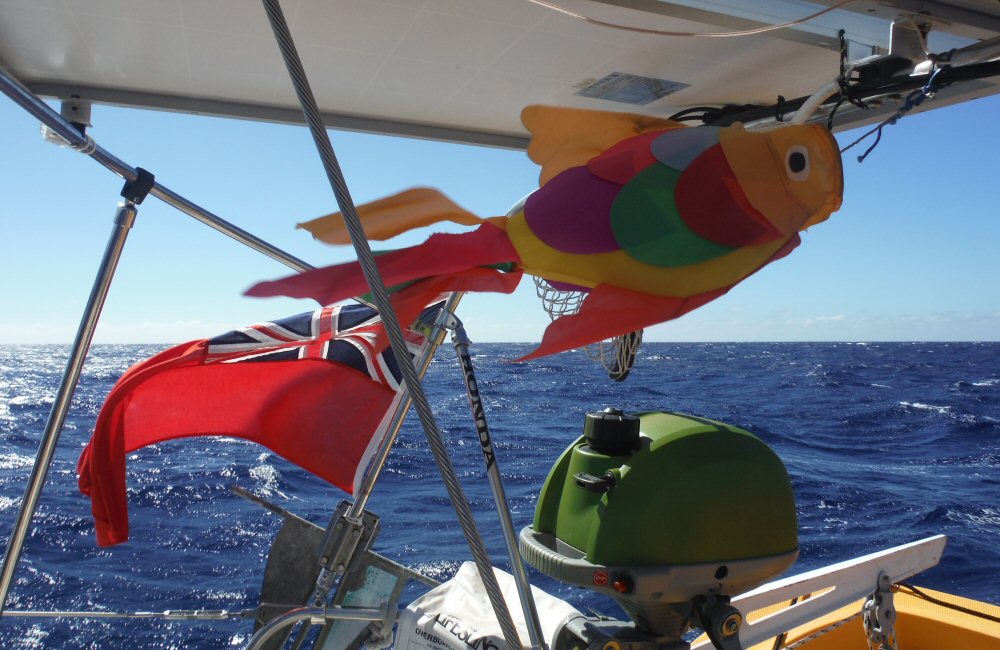
0245 I’m having a dream where the boat is lunging back and forth, up and down, and nobody can get any rest. I wake up. It’s real, the motion of the boat is different. Sudden lurches, smaller, more fitful movements rather than the easy-going roll we had earlier. Rose has done a great job staying up this long, it’s time for me to leave la la land and get on watch. As is typical about this time, the wind drops. I take the reef out of the main. Soon, Mr Fish is hanging lifeless from the solar panel frame. Mr Fish tells us what the wind is doing; he’s a small kite that Rose bought from the Bristol Kite Festival years ago. When Mr Fish says no wind, we put the engine on. I roll in the jib, and turn on the donkey.

ssssshheeeeew. Shooting star! Another slug of coffee. Mainsail slatting flapping and clacking back and forth, not much I can do about that. Hope Rose can sleep. If it gets to the slamming stage, I’ll take it down.

0600 Sailing again! Trying to be as quiet as possible, I shuffled forwards out of the cockpit onto the foredeck, tethered into the safety line that runs down the side deck, to change the spinnaker pole across to the other side of the boat. Because there’s a small “baby stay” going down from the front of the mast above the pole attachment point, the pole has to come off completely in order to switch it over, so it’s a bit of a hassle. I don’t succeed in being quiet, which wakes Rose up – she comes to check I’m OK. Now, with the jib poled out again and the full main, we’re making the most of the morning breeze, and the engine is off again. Dawn is just starting to light the sky up, showing the outline of tall mountains – Baja Sur – the southern tip of Baja! On the horizon, just under 40 miles away, is our turning point, Cabo San Lucas. After that, we go east and north up into the Sea of Cortez for a couple of weeks.

It’s really warm and humid, I’m back in tee and shorts, having layered up into a fleece and thoroughly unnecessary wet weather jacket overnight. Out of habit, and also because it’s got decent pockets where I keep a torch, knife and PLB (emergency locator beacon).

Today brings a cloudy sky again, which is going to be great for keeping the sun off, let’s hope it doesn’t kill the wind. At least motoring for a couple of hours has topped up the batteries fully. When the engine is running I also turn the fridge up to max, getting a good frost going on the cooler.

2014 11 15 0600 Dawn over Baja Sur

0830 The wind has veered again, now blowing a decent 15 to 20 knots from the NE, and we’re heading directly for Cabo on a beam reach. The sky has almost cleared of clouds. I left the pole up when I switched … DOLPHINS! I just heard the squeak of a blowhole over my shoulder, I’m going up to the bow to watch.

Maybe ten of them. Small black ones. Didn’t stay for long. Don’t think I’ve seen these guys before. But can’t really tell what they, using our wee guide leaflet. So yeah, I left the pole up earlier when I switched the jib over to starboard for reaching, but I reckon this wind is going to stay with us for a while so I’ve taken the pole down.

1100 Nearing the cape. Ploughed through a load of sport fishing boats, had to take the boat off autopilot to steer between everyone’s lines. Lots of dolphin swimming and jumping.

1200 Wind getting frisky, Rafiki making solid eights down some of the waves. Probably the “cape effect”. Went up to the mast to put a reef in, and while I was up there decided that two was more sensible. Speed down to 5 knots now. Could be faster, but we’re not racing and I don’t want to push the boat hard at this point.

1300 WHALE! A few whales around us, nothing close, until a couple of spouts dead ahead. They disappear and a large whale appears off to starboard, casually making its way south in the 30 knot+ wind. Waves are picking up, lots of whitecaps.

1320 Coming fast past Punta Cabo. Frigate bird above, coughing something up, chucking it around then trying to swallow it again. Loads of fishing boats around. Boat creaming along, regularly in the sevens. Wind gusting high 30s.
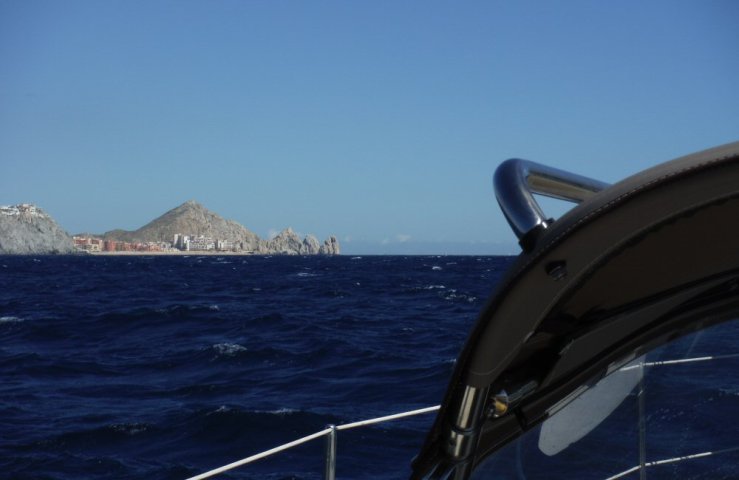
2014 11 15 1100 Los Cabos

1400 Having lunch, nearly ran over a sea turtle. “Tortuga del Mar” I guess. Haven’t done any Spanish lessons today … was supposed to be doing an hour a day, but somehow the days just float by…

1630 Hot, slow slog to the finish line. Soon after rounding the point, the wind dropped, the sea flattened and Mr Fish said “time for the engine”. We’ve been motoring a couple of hours now, one more hour to go. With no wind, the sun is scorchio! I’ve washed the cockpit and scrubbed a load of tiny rust spots away. Something to remember: NEVER do any ferrous metal angle grinding near a fibreglass boat. Even if you’re diligent in washing all the metal particles away, there will be some left, and they will leave rust spots. I was grinding a steel washer for fixing the backstay in Turtle Bay (then found a stainless one and used that instead, otherwise we’d have huge rust streaks all the way down the stern).
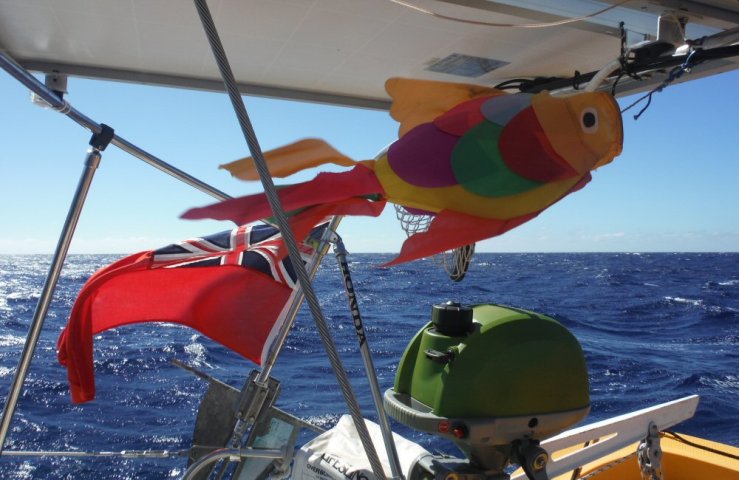
2014 11 15 0900 Mr Fish

Lining the beach all the way from Cabo San Lucas to San Jose del Cabos are hotels and holiday apartments. Some are huge, futuristic looking monsters straight out of a sci-fi movie. From out here, there’s no sign of damage from hurricane Odile that struck last month. Hard to imagine what that must have been like.

1800 Managed to turn the engine off for the final approach to Puerto Los Cabos marina, a beautiful sail in calm water as the sun was setting. Radioed the marina, found our slip and tied up next to a guy called John on his stout little 27 footer. Shared some pasta and stories, and then bed.
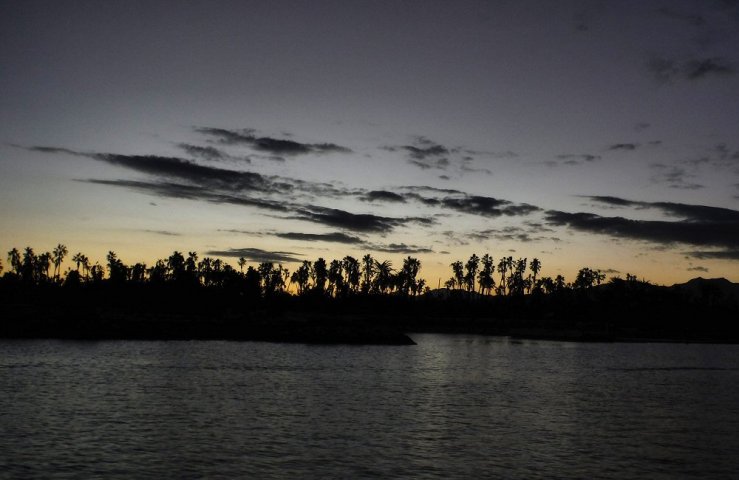
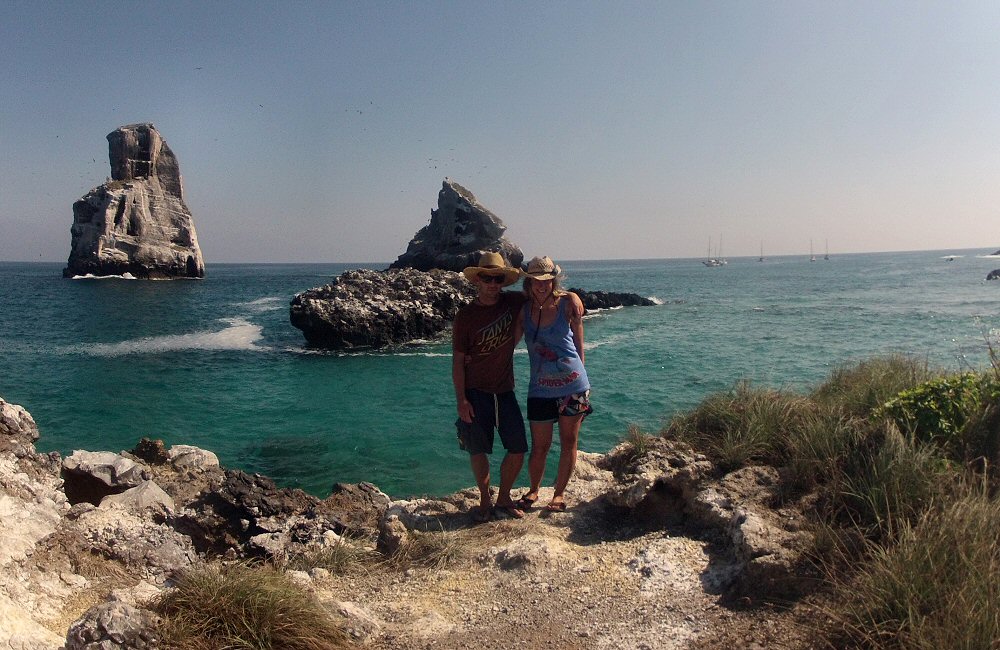
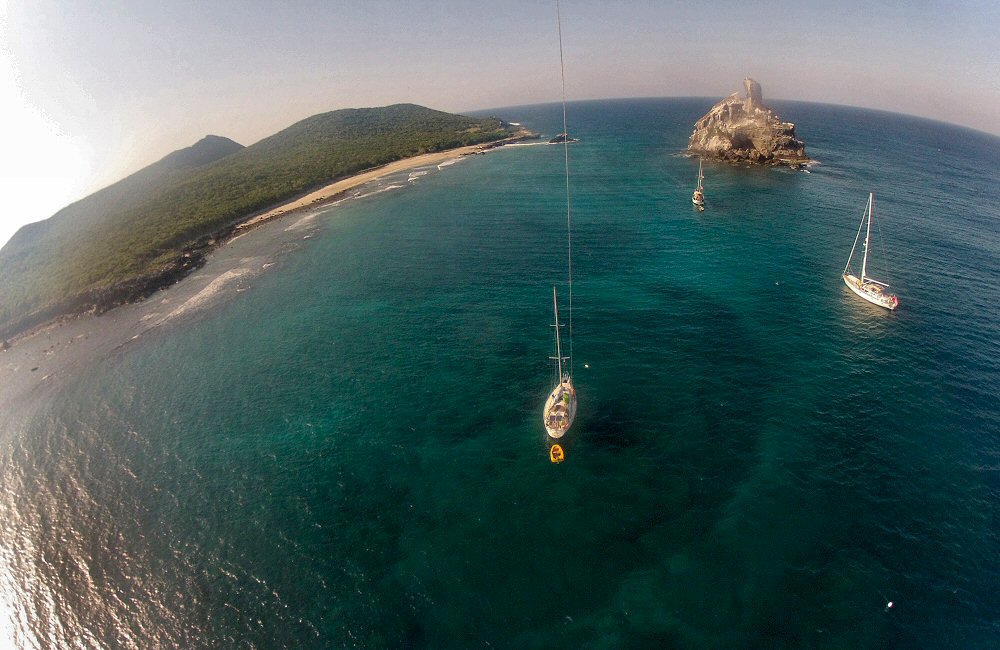
2014 11 15 1800 Puerto Los Cabos

Hola Mexico

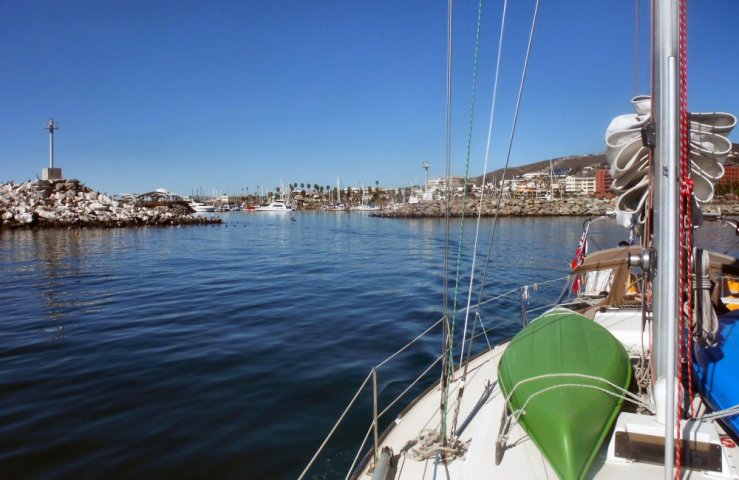
Goodbye USA! After just over a year here, we’re moving on. The sail from San Diego to Ensenada in Mexico is about 60 miles – a decent length day, and wanting to arrive before dark to avoid lobster pots, we left as the sun was starting to rise and wake the city up.

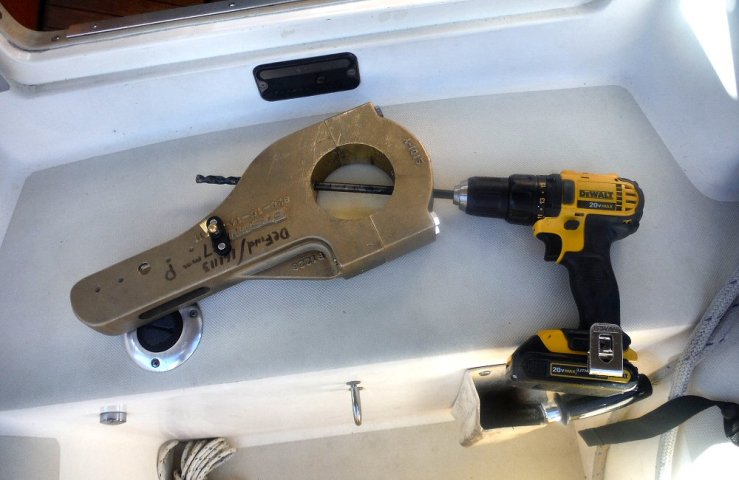
2014 11 05 1100 Tiller arm
Fairly heavy engineering project – fitting the new autopilot tiller arm at the docks in Ensenada. Lots of bronze and stainless drilling, sweat and muscle
2014 11 05 1200 Edson tiller arm
Autopilot tiller arm in place, bolted through the rudder post. Not much room for working down here!
2014 11 06 1000 Leaving Ensenada
Leaving Ensenada after a couple of nights. Checked into Mexico OK, did a days work, then onwards
2014 11 06 1800 Moonrise
Moonrise – full moon over Baja
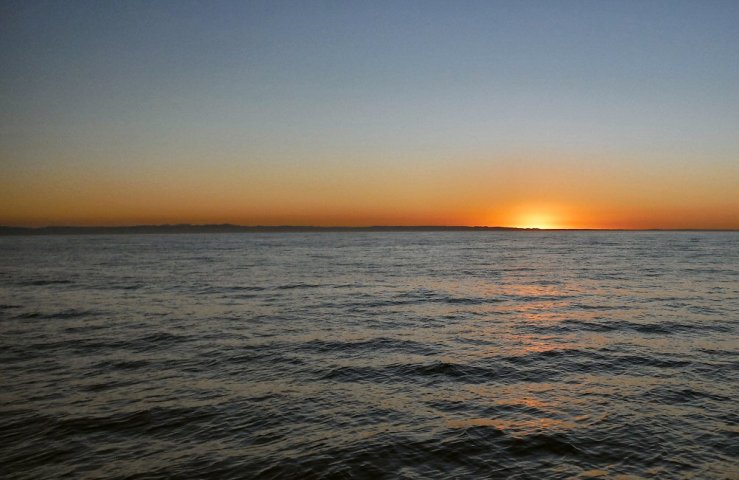
2014 11 07 0600 Split second before dawn
Moments before dawn the next morning, on our way down to Isla Cedros
DCIM100GOPRO
Rose capturing The Last Crumpet before we eat it for breakfast

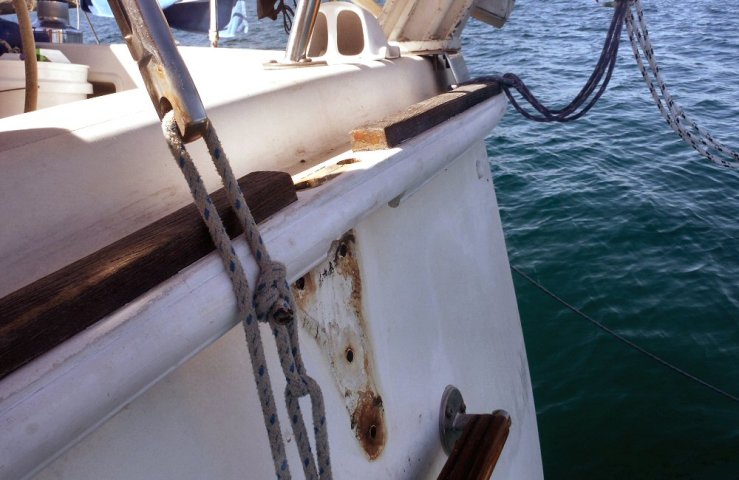
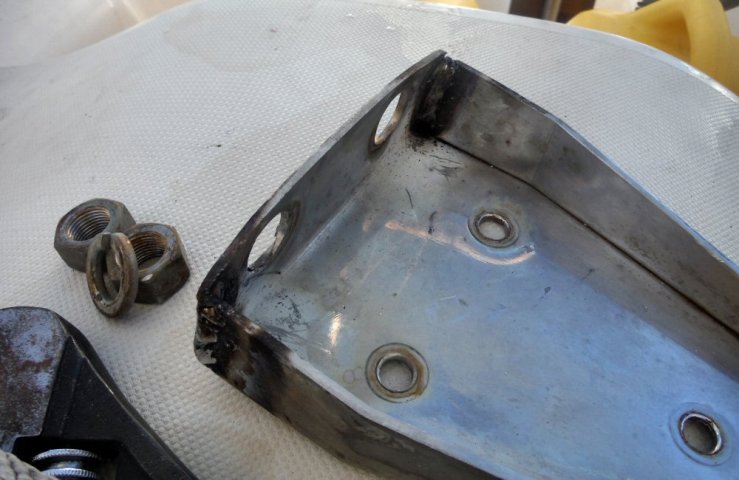
Then from Cedros, we had a day sail across to Turtle Bay. Left early in the morning so that we’d get into Turtle Bay by dusk. Next morning, getting into the dinghy to go ashore for fuel, I noticed that the backstay chainplate had cracked welds – not good! Spent an hour or so ashore mulling over options; get a new part in from US, get something made here, get this one welded here, carry on with jury rig … ended up going back to the boat, taking off the backstay and chainplate, and taking it into town. Turns out the town’s stainless welder is up in Ensenada with the start of the Baja 1000 race and not back till Sunday. Erk, we’ve not got time for that. After a few hours of chasing people around town we finally catch up with a guy that can weld stainless and he fixes it up. Relief.

2014 11 10 1200 Backstay off
Backstay chainplate removed
2014 11 10 1200 Backstay chainplate
Welded back together – looks messy but I think it’s stronger than when it was new

Once the boat was back together, we filled up with nearly 40 gallons of diesel, hoping that we don’t have to use much of it! From Turtle Bay we had another 230-odd mile leg down to Bahia Santa Maria, a cove tucked around the corner out of the north westerly winds. Sailed almost all the way! Couple of nights out at sea.

2014 11 13 Bahia Santa Maria
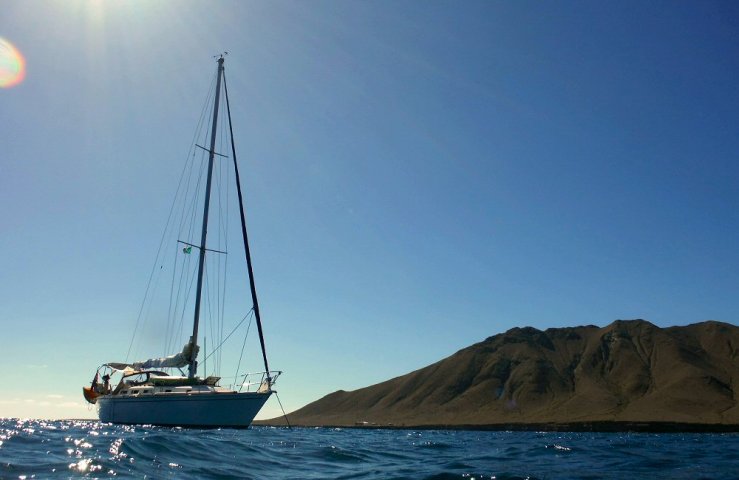
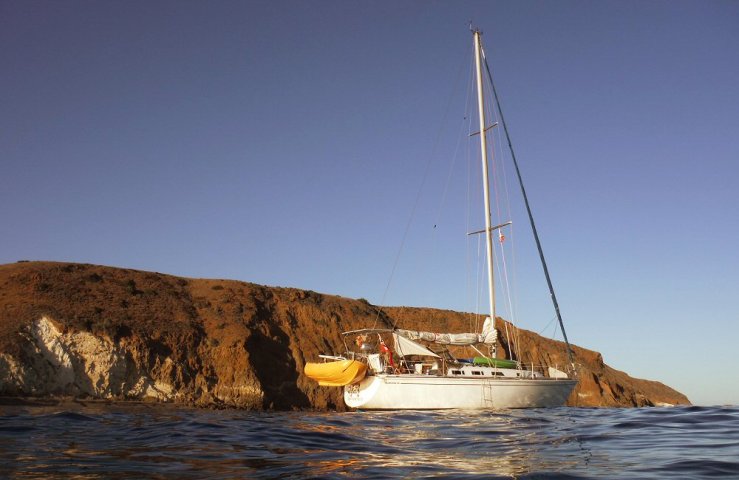
Rafiki at anchor, Bahia Santa Maria

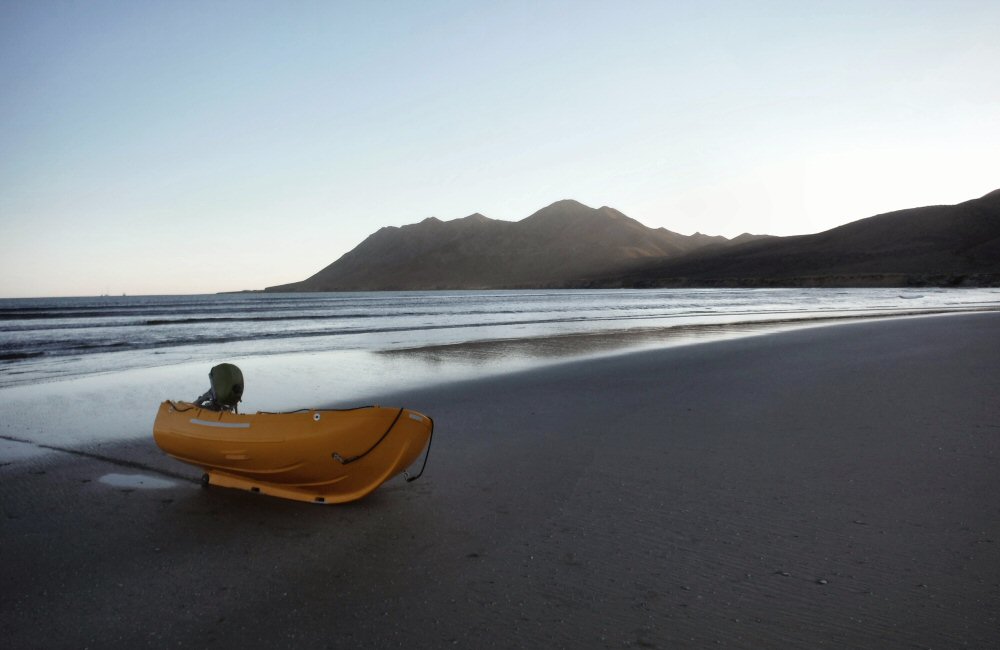
We arrived at night, maybe 0400, got some sleep, and then spent the day relaxing. Had a great swim. In the evening, went ashore, our first dinghy landing in the surf, and wandered on the beach.

2014 11 13 1800 Bahia Santa Maria
Bahia Santa Maria

Next morning, about 0500, we left for San Jose del Cabo, around the southern tip of the Baja peninsula. See On Passage With Rafiki for that leg, typical of the sailing we’ve had all the way down from Ensenada – though further north we’ve had less wind and a lot more motoring.

Los Angeles to San Diego

Now that it’s light, I can clearly see two separate sets of swell; one coming in from the south and another from the northwest. The southerly swell must be coming from a storm out in the pacific somewhere, and the north westerly swell is being driven by the local winds over the last few days. Waves from one swell meet waves from the other, combining to form a nasty steep face and often a spiteful little breaking section of white water. It’s uncomfortable, but there’s fortunately enough wind to hold the boat heeled over which reduces the rolling a bit. Every now and then a larger wave from the southerly swell comes along from the right, lifts the bow and takes it off downwind, the sails lose their power and we go through a few rail-to-rail rolls before coming back on track.

9 hours ago my alarm went off at midnight. I could hear rain on the cabin top, and the wind in the rigging sounded strong. Didn’t want to get up. But we’ve got a 75 mile leg down to San Diego, and I want to arrive before it gets dark tonight. Turning on the instruments and poking my head outside, it turned out that it’s not so bad. Time to go. I cast off the mooring at Long Hook on Catalina Island, and motor into the dark drizzle, unable to see anything apart from the little ship icon on the rain-spattered chart plotter, guiding me out to sea. For the first couple of hours, there’s no wind, and to stop the main sail slamming back and forth and probably doing itself some damage, I get it down. Without any sails up we’re rolling all over. Ugh. At about 3am, the wind kicks in, 20 knots from the northwest. I experiment with the sails to try and reduce the rolling, but nothing really works. The wind is dead astern, so the jib is pretty useless, flapping in the wind shadow behind the main sail. Having just the full main up in a lumpy sea isn’t great for the boat’s balance, but the autohelm is doing amazingly well, steering way better than I ever could, hour after hour. I reefed the main down when the wind rose to about 30 knots, and then just after dawn shook the reef out and unfurled the jib. We’re now cruising along at a decent 6 knots, still rolling but much more comfortably than before. Fewer of those southerly waves coming through. Rose is snoozing below in the sea berth, and San Diego is coming up over the horizon.

Shaking out a reef

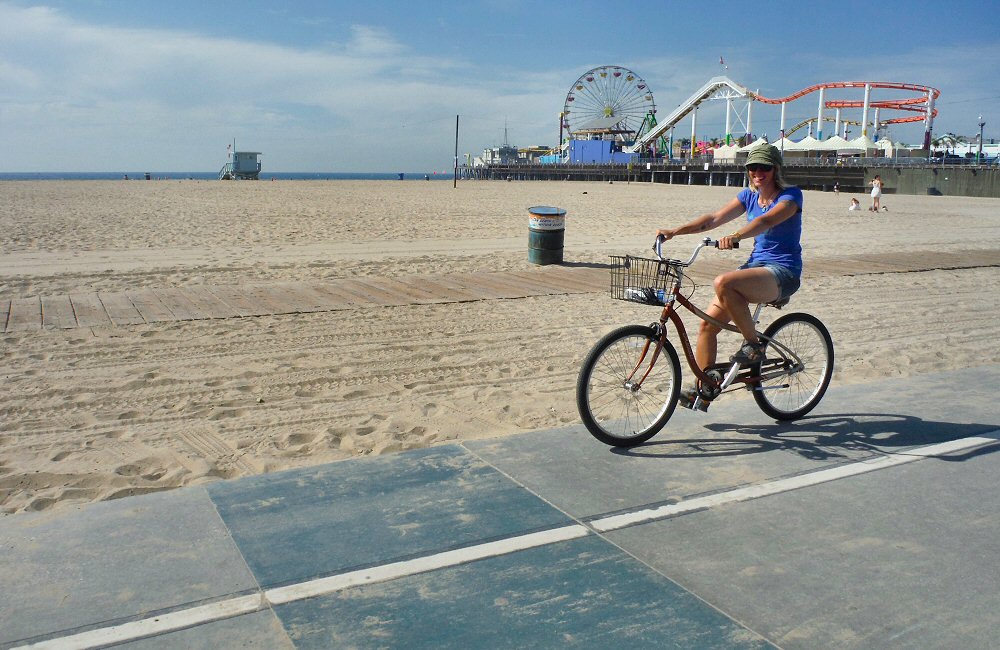
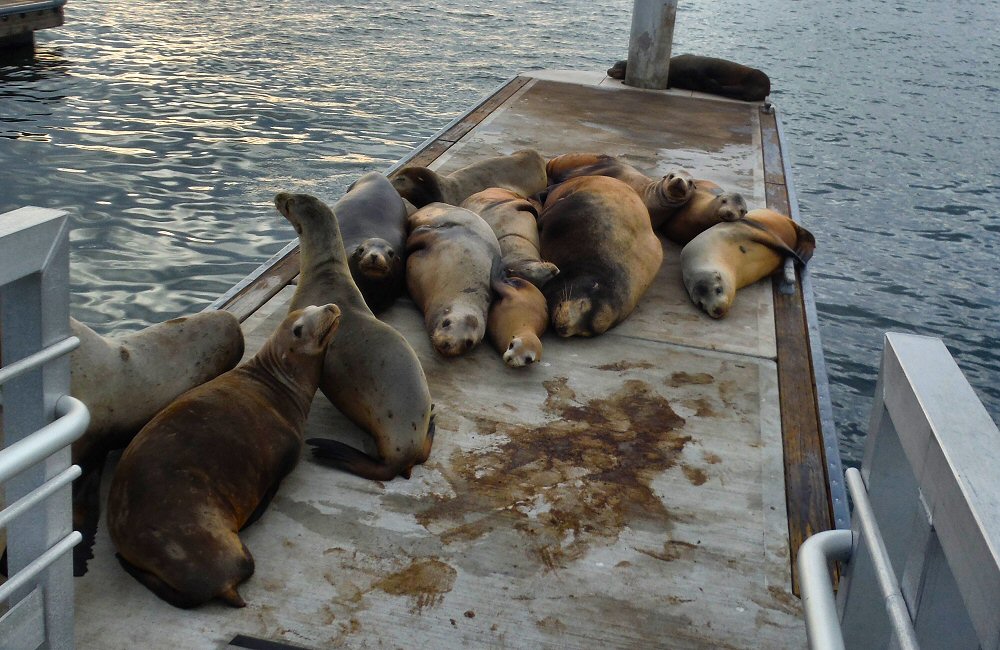
We spent a couple of days in Marina Del Ray, Los Angeles – a day working and a day exploring on rented bikes, along Venice Beach to Santa Monica. Almost every dock we’ve stayed at has had a team of sea lion hanging out nearby. Noisy, disgusting, smelly beasts. They bark almost all night, release vile smells, and make a mess everywhere. On the guest docks here, they were only a few yards away, a cacophony of shouting, snoring, burping and wheezing. I’d be happy never to see another sea lion again. Also at the dock was a pretty little green boat we’ve seen a few times since Morro Bay. Clearly a boat going places. On board are a couple of buddies sailing south to Mexico, one then flies to Aspen in Colorado for a winter season, while the other continues sailing around the world. No doubt we’ll bump into each other again further south.

2014 10 30 1400 Santa Monica 2014 10 30 1700 Sea lions

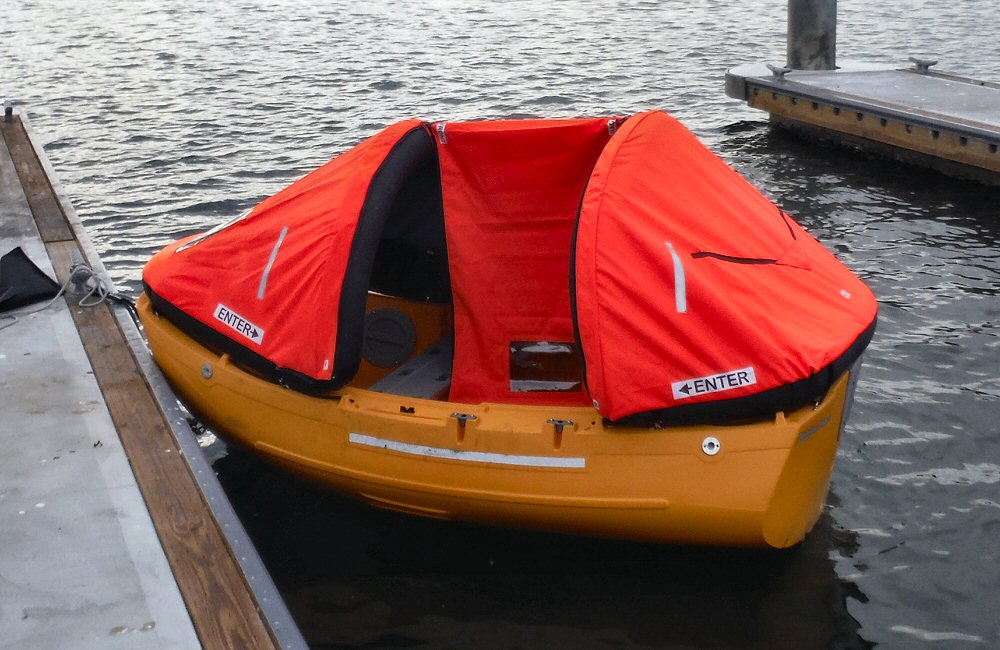
I took the opportunity to rig up the exposure canopy on our dinghy to make sure everything worked, and I knew how to set it up. The inflatable canopy, along with a sea anchor to hold the bow into the waves, turns it into a life support vessel should we ever have to abandon ship. Strong, unsinkable, and easy to deploy. The canopy is now tucked away inside one of the compartments in the dinghy, hopefully I’ll never need to get it out again.

2014 10 30 1800 Pudgy liferaft

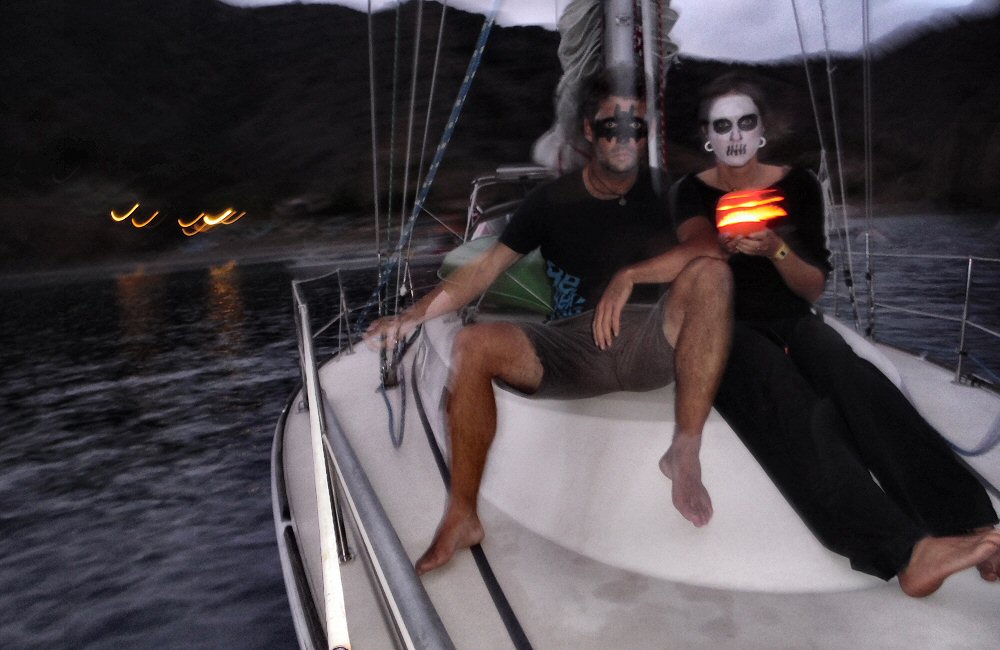
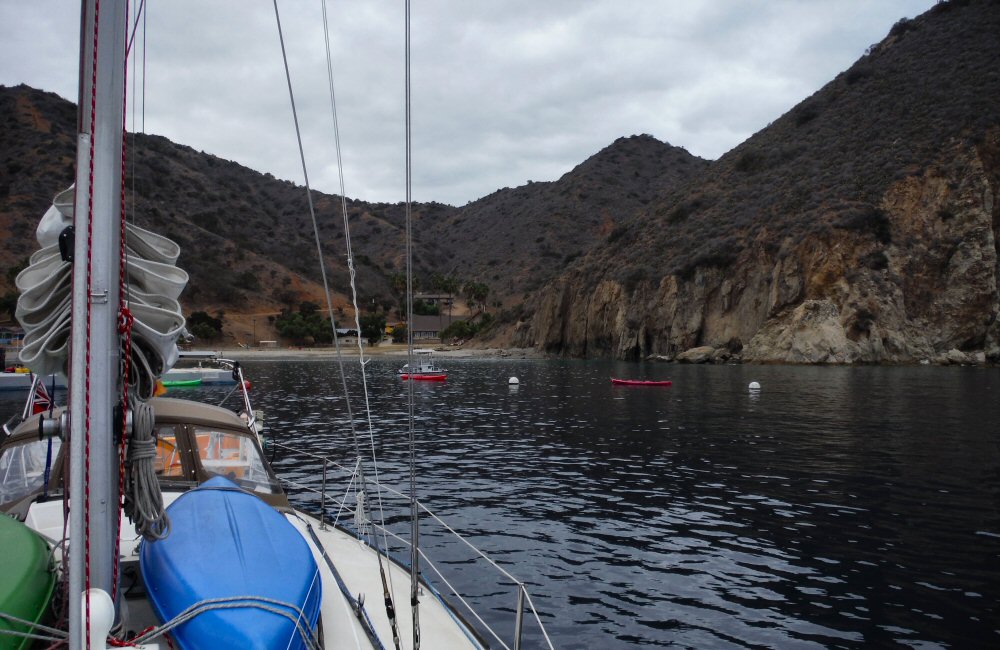
We left the marina yesterday morning and sailed across to Isla Santa Catalina, picked up a local mooring for a few hours, painted our faces for Halloween, watched a movie, and then got a few hours shut-eye before continuing on to San Diego.

2014 10 31 Catalina 2014 10 31 Halloween

Monterey to Los Angeles

Last Wednesday we left Monterey harbour reasonably early in the morning, for the 120 mile leg down to Morro Bay.

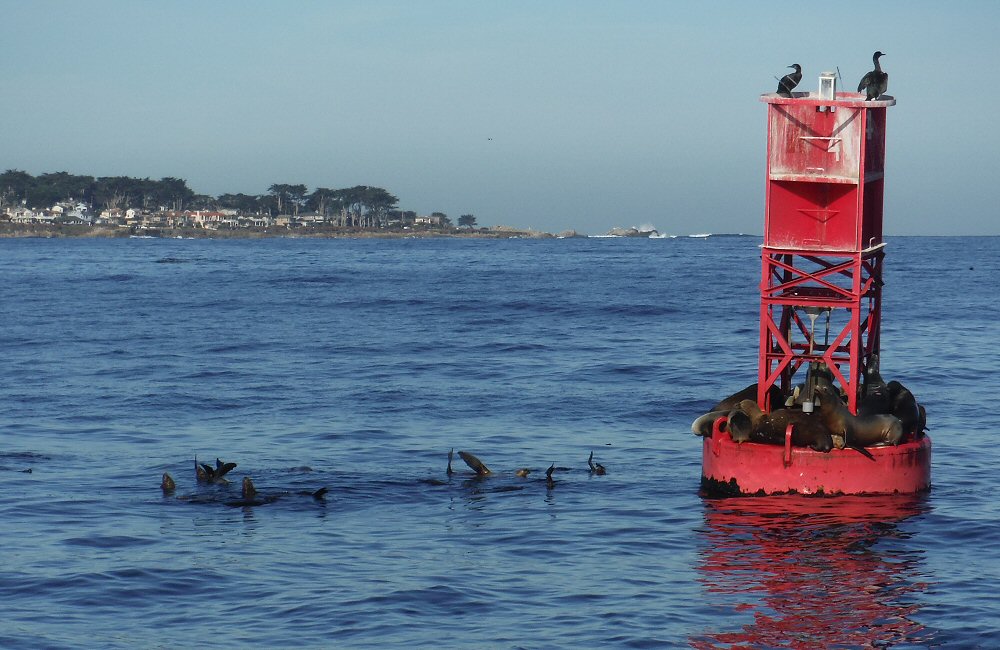
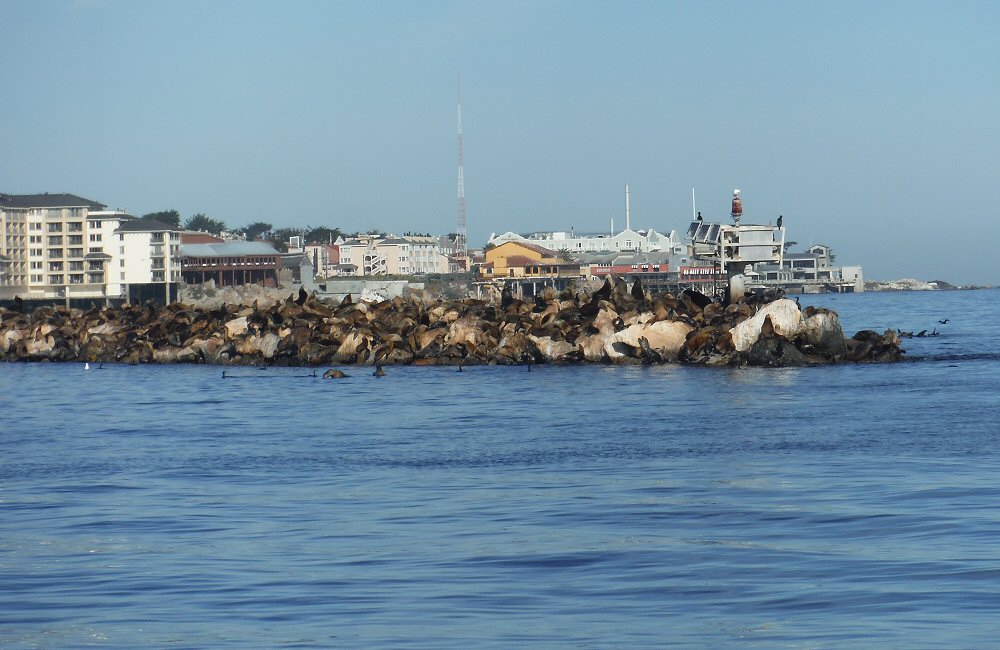
2014 10 22 1100 Monterey Sea Lions 2014 10 22 1030 Leaving Monterey

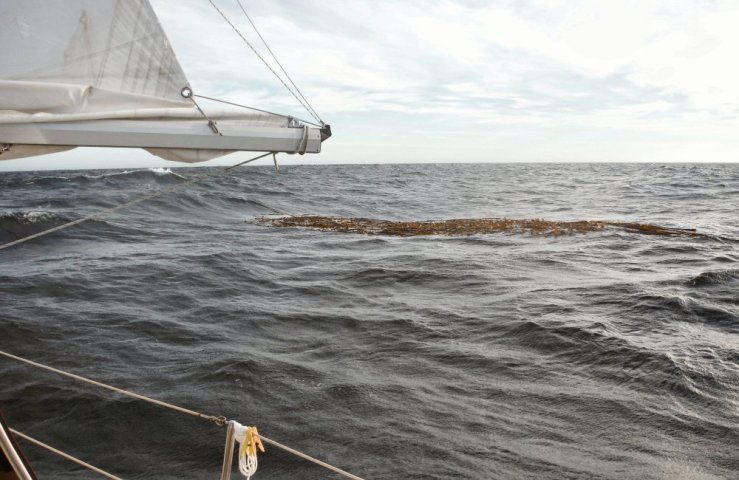
For most of the day we powered along under double reefed main and poled out jib, under cloudless skies. Dolphin and sea lion playing in our bow wave is now becoming a regular event, but today they didn’t stick around for as long as they have done before. Plenty of huge kelp islands floating around kept us on our toes, I’m not sure how much we’d pick up if we ran straight over one – but some of them look pretty solid. Not much we can do at night of course, but may as well dodge them during the day.

2014 10 22 1400 Kelp island
Kelp Island

Stunning sunset.

2014 10 22 1900 Sunset
Nature’s evening performance

Overnight on one of my watches we were visited by more dolphin, but this time I could only hear them, and see fizzing sparkling shapes of phosphorescence under the water. No moon meant it was fairly dark, so it was just the stars, the boat, dark waves, and a mind blowing sub-sea light show.

2014 10 23 0700 Morro Bay
Dawn approach to Morro Bay

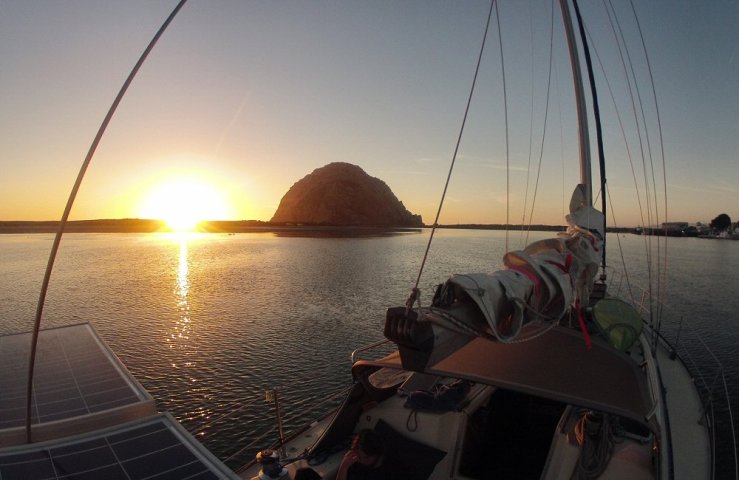
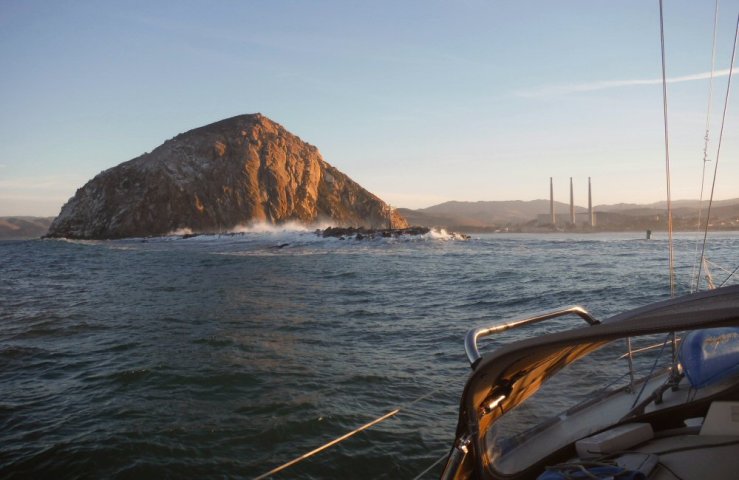
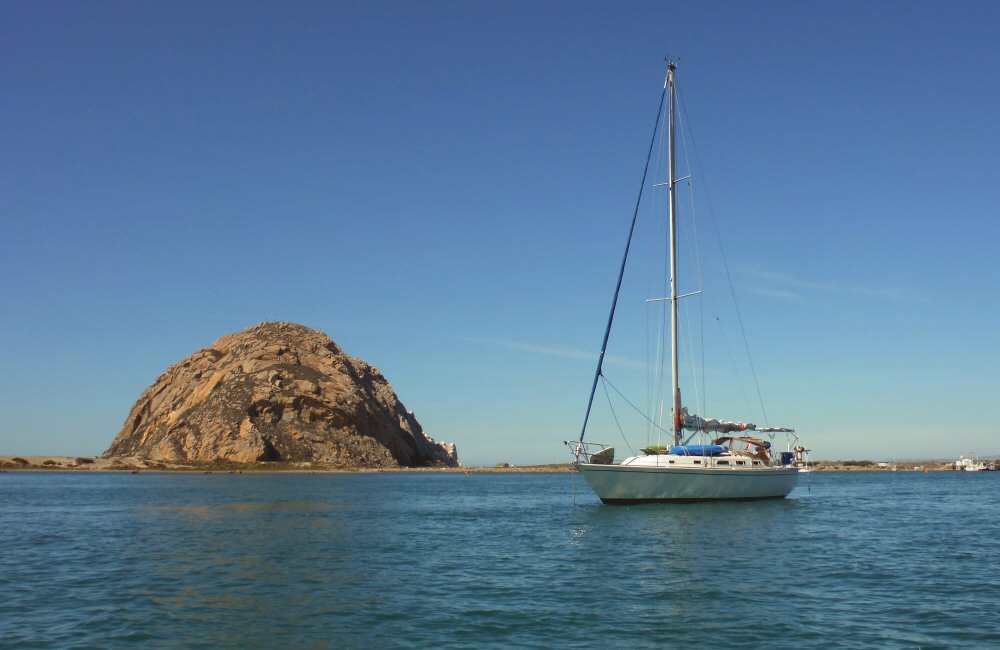
The wind kept up through the night, which meant we arrived off the Morro Bay entrance a few hours before dawn. I didn’t fancy trying to find our way in during the night – the entrance is known for swell, rogue waves and currents. So at 0400 I started long tacks back and forth across the bay, waiting for light. For an hour or so before the sun rose, we had a solid 30 knots of wind, which made things a little more tiring. As the light strengthened, we motored into Morro Bay, past the breakwater where large swells where crunching away at the huge boulders. Glad we waited. It would have been OK coming in at night, but finding a place to anchor would have been a bit harder. Once we got the hook down, we both fell deep asleep for a couple of hours.
2014 10 23 0800 Morro Bay Arrival
Once inside the breakwater, all is calm
2014 10 23 0730 Morro Bay
Waves pounding at Morro Bay. That’s Morro Rock. The big one.

We dropped the dinghy in, rowed ashore and spent the day exploring Morro Bay and the surrounding beaches.

2014 10 23 1100 Morro Bay 2014 10 23 1600 Morro Bay beach

Next morning we woke to thick fog. The odd light from the town forced its way through the greyness of early dawn to reach us in the middle of the anchorage. The still, misty damp night has left a thick dew on deck, soaking the cockpit cushions we left out. The bay is silent, apart from one or two fishermen leaving port for the day, puttering past in their small boats. We’re not far behind them, pulling up our anchor and motoring out, past Morro Rock, the base of which is now only just visible below the cloud. The waves have died down since we came in, but there’s still some swell coming through. No wind though…
2014 10 24 0900 Morro Bay departure
Leaving Morro Bay in the fog

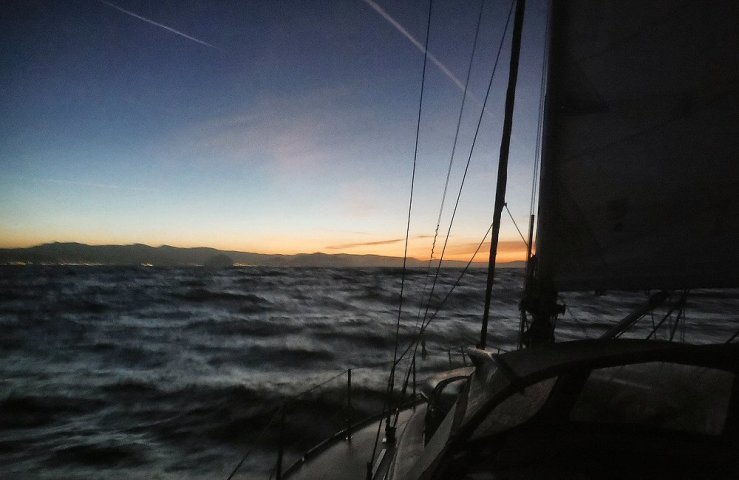
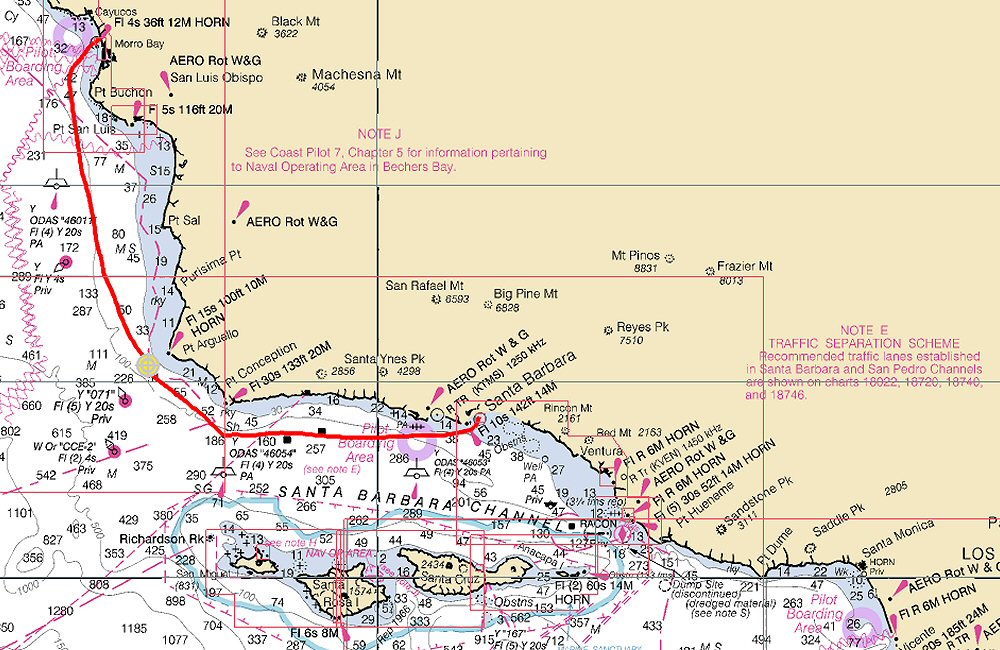
But within an hour or two, the engine is off, the sun is out and we’re sailing again. We’re due to round Point Conception late in the afternoon – the “Cape Horn of California”. It’s got a reputation for being gnarly, with strong winds and lumpy seas, and marks the beginning of the warmer and calmer waters of Southern California. We didn’t quite make as far as the point before dark – at Point Arguello (the point before Conception) I headed below for a couple of hours rest before the night ahead and Rose took command of the ship, sailing along at a decent 5 knots under just the full jib. I fell asleep instantly, and before I knew it, a couple of hours later in the early hours of the morning, we were around the corner and into the Santa Barbara Channel, dodging oil rigs. My turn on watch again, keeping the stars and waves company for the rest of the night.

Dawn over Santa Barbara was stunning – the sky bleeding with over-saturated reds, oranges and pinks.

2014 10 25 Santa Barbara Channel 2014 10 24 Track

We decided to pull into the marina here so that Rose could get some work done. It’s also pretty tiring doing a night sail, and we’ve tended to find a marina rather than an anchorage after each leg longer than 100 miles. Marinas come with showers and guaranteed flat water, which means no rocking at night. But there’s a price tag, and it’s not so idyllic being parked in among hundreds of other boats. Plenty of time for remote anchorages when we get to Mexico.

2014 10 25 Santa Barbara waterfront 2014 10 26 1800 Santa Barbara

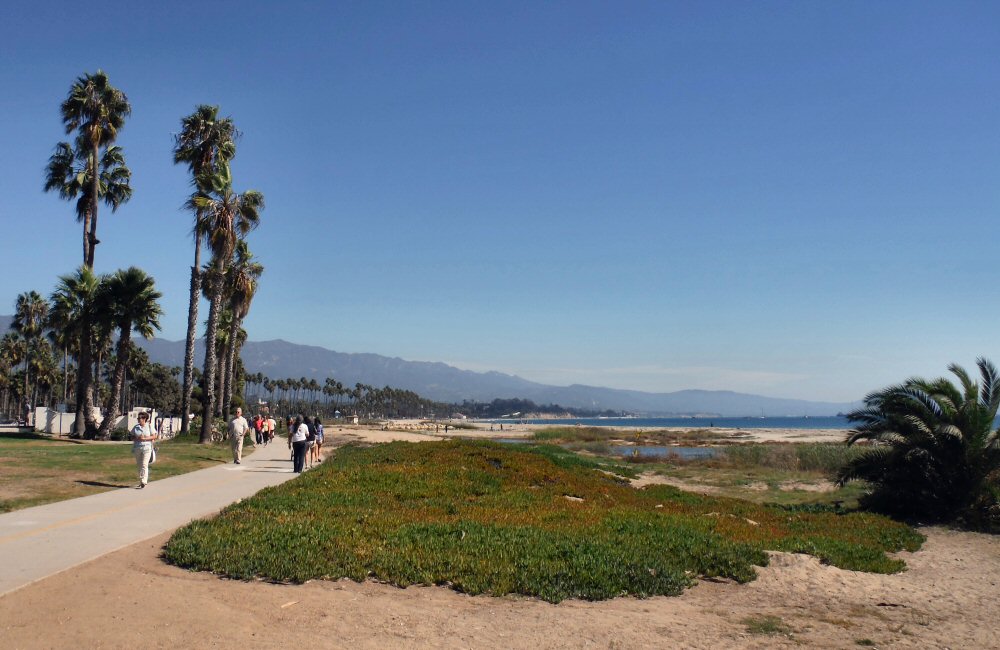
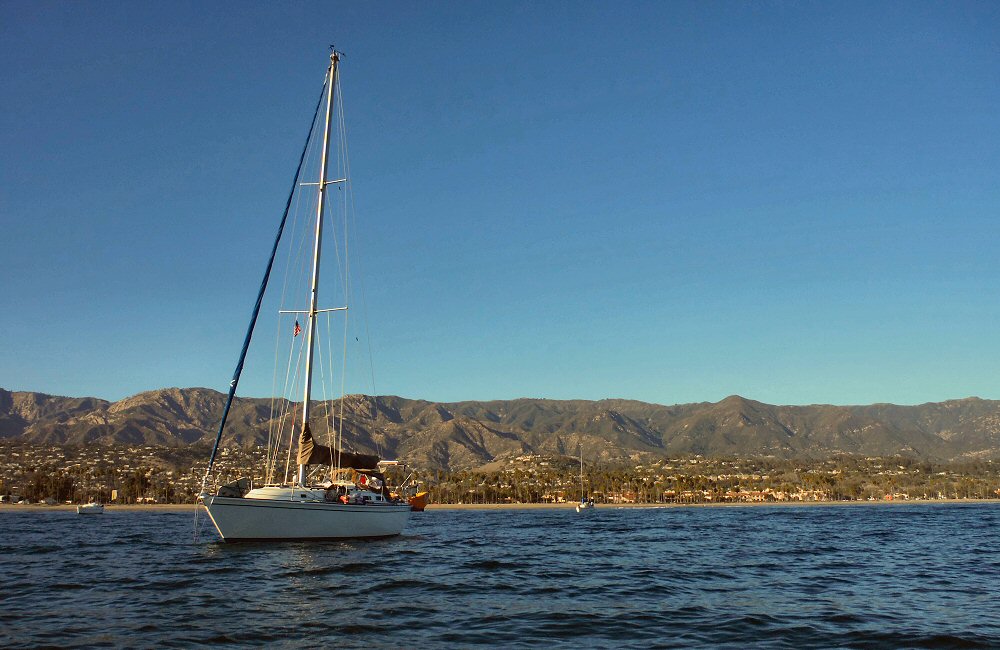
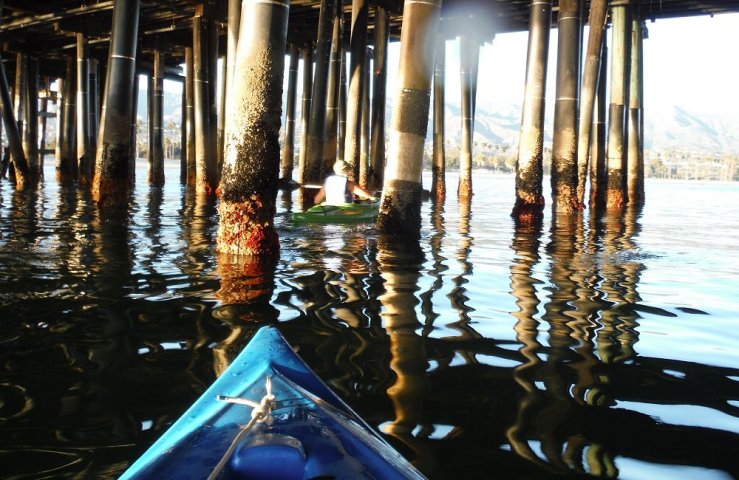
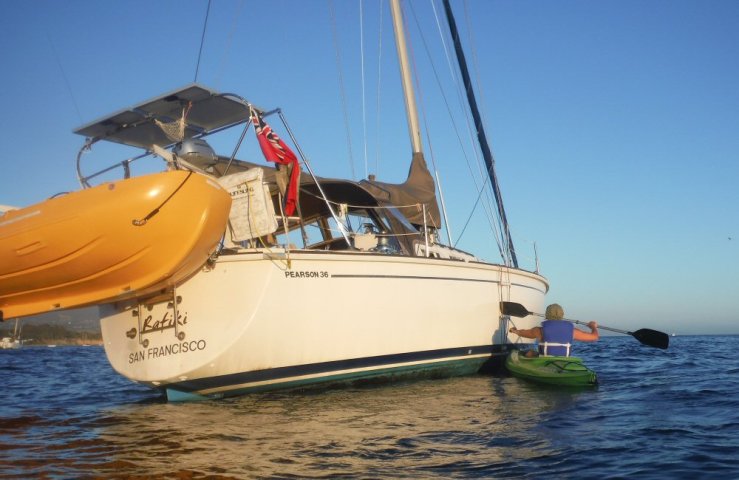
We explored Santa Barbara for a couple of days; our first taste of Southern California. Not as brash as I expect LA and San Diego will be – but still with the characteristic palm-lined beach front, surf dudes and yoga mat-toting girls. After a night in the marina and a morning working, we popped out to spend the night at anchor east of the pier. Managed to sneak a quick kayak in before dark. I picked up some rope and PVC pipe from a hardware store in town to make a boarding ladder – realising that with the dinghy on the stern, we can’t get the swim ladder down, and can’t get on and off the boat!

2014 10 26 1830 Santa Barbara pier
Under Santa Barbara pier
2014 10 26 1845 Getting back aboard
Trying to get back aboard a rolly Rafiki

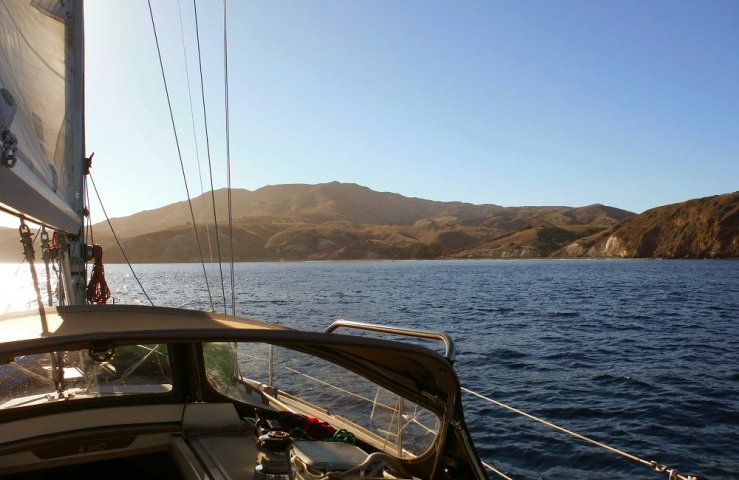
Rolly. Really rolly. Strong winds out in the west end of the Santa Barbara Channel (around Point Conception) were pushing some decent swell through the anchorage, which made for a very uncomfortable night. The boat was rolling so much I had to move into the main cabin in order to lie sideways (athwartships) and be tipped head-up, head-down rather than rolled sideways. It’s a bit more comfortable like that – you don’t need to be constantly working muscles to stay in position, which makes it a bit easier to sleep. In the morning, we made the short 27 mile hop across to Santa Cruz Island, where we spent last night.

2014 10 27 1730 Santa Cruz Island
Approaching Santa Cruz Island
2014 10 27 1815 Smugglers Cove Santa Cruz Island
At anchor in Smugglers Cove

Rafiki is sat rocking at anchor in Smugglers Cove on Santa Cruz Island, creaking and squeaking. Every now and then when a larger set of waves rolls through, we rock a bit harder, ropes clank on the inside of the mast and the boom swings back and forth making the spring in the vang squawk like an old trampoline. A few seconds later, I hear the waves hissing on the shore just a few hundred yards away. The sun’s just gone down, and Rose is getting dinner ready. Smells amazing. I’m feeling fresh after a swim in the crystal clear sea, checking our anchor, testing the new underwater camera and just enjoying being in the water. It’s warm enough for just boardies, for half an hour or so anyway – amazing.

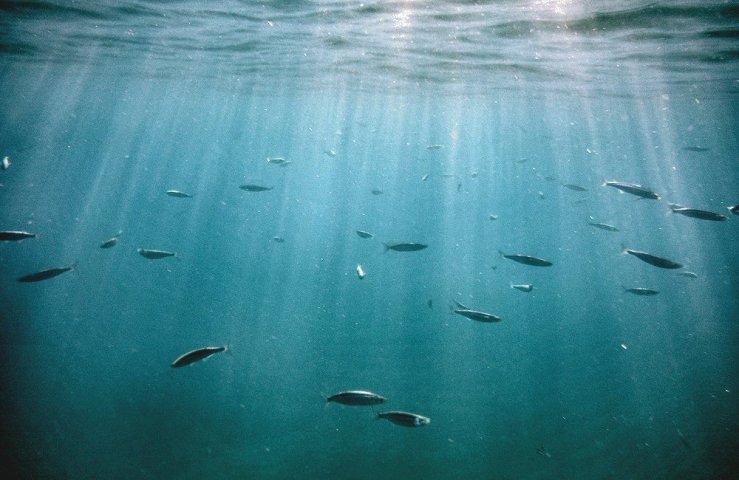
2014 10 27 1815 Fish and sunlight
Fish, sunlight
2014 10 27 1830 Rope ladder
Pro-looking rope ladder, works a treat too. Yes, I cleared the prop as well.

We’re getting into the rhythm of things – being on the boat at anchor, making passages, stopping in at marinas and generally moving further southward. This morning just before dawn I hauled up the anchor with the windlass and motored out of the bay into the brightening skies, east towards Los Angeles, while Rose got our morning cuppa sorted. Passing Anacapa Island, the sun rose to join us. It’s amazing how fast it shoots up out of the sea; within seconds the whole disc is well above the horizon and warming everything up.
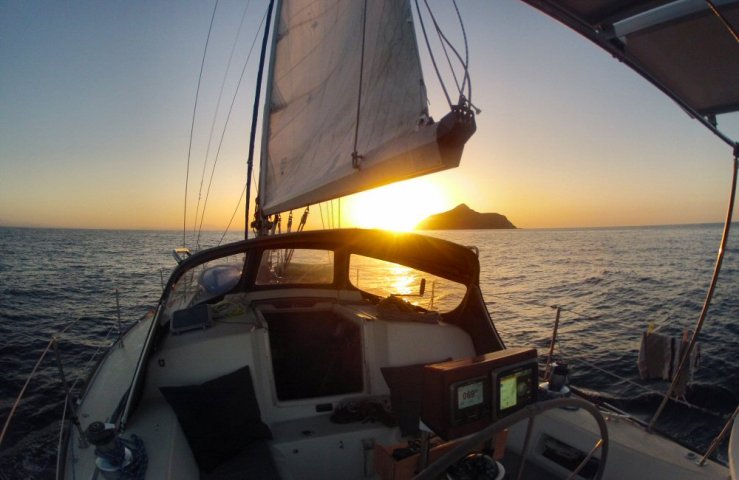
2014 10 28 Dawn Over Anacapa Island
Dawn Over Anacapa Island

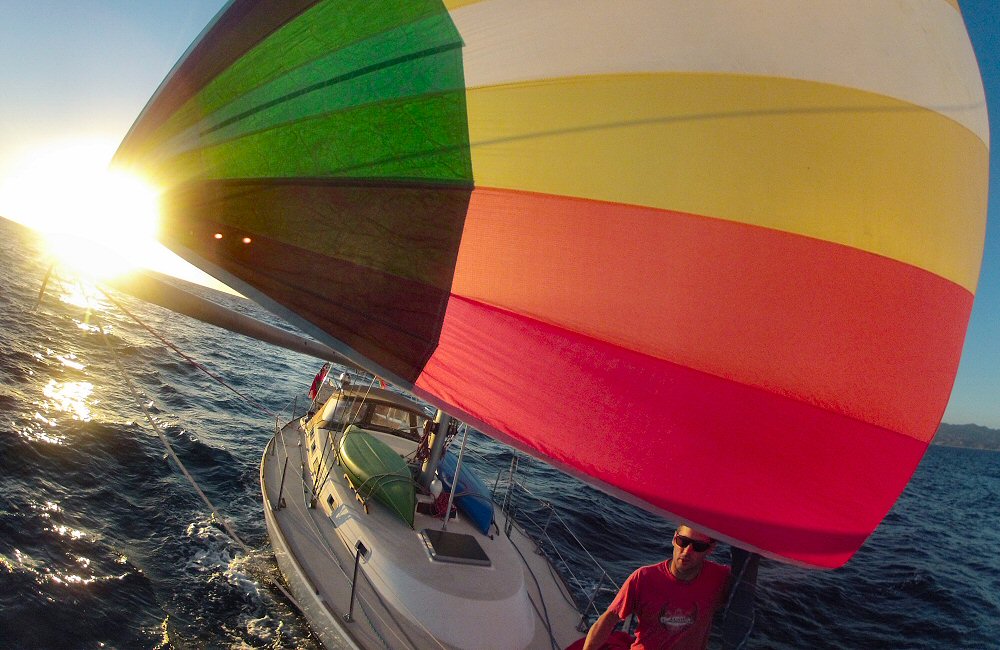
The 56 miles to Marina Del Ray took us just over 12 hours, half under engine power and half with the spinnaker up. I’m glad I picked that up off eBay – it’s going to save a lot of dreary donk-donk-donk-donk engine running as we head south with light winds behind us. Pretty photogenic, took too many pics…

2014 10 28 Spinnaker 05 2014 10 28 Spinnaker 04 2014 10 28 Spinnaker 03 2014 10 28 Spinnaker 02

Arriving at the guest dock, Rose goes forwards to kick the fenders off the side, just like we do every time we come into port. This time the splash was a bit louder than normal. Fender overboard! I spun the boat round and we rescued our lost man without trouble, then docked the boat in a visitors slip. Sea lions on the docks AGAIN. Shouting noisily, making a ruckus. I think we’ll still sleep pretty well.