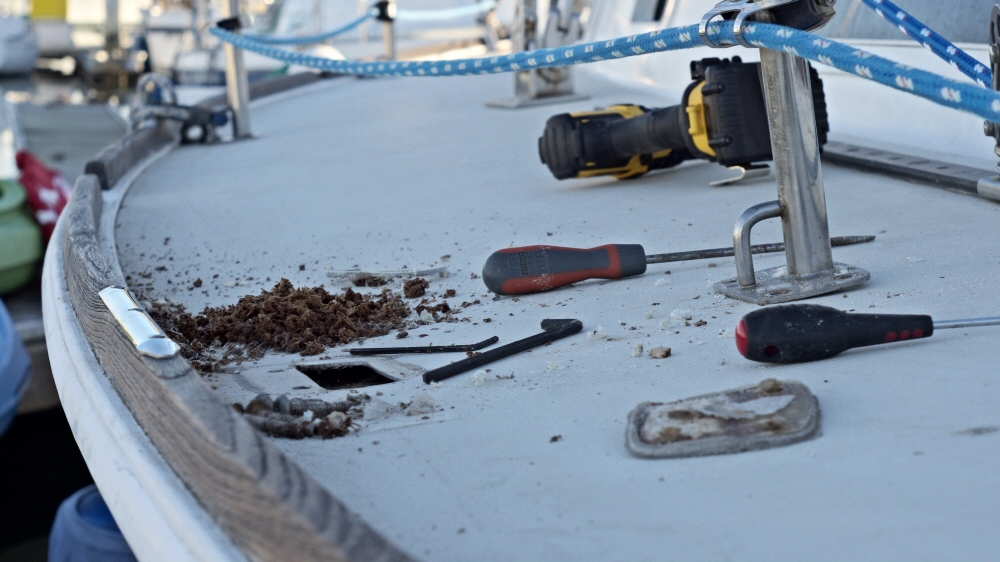
Much of this afternoon was spent digging around between the inner and outer layers of fibreglass underneath one of the lifeline stanchions. The balsa core of the deck had rotted away where water had got in under the seals, making the whole lot wobble around in a nasty way. The pre-purchase survey had brought this up as something needing attention, but I’ve only just decided to tackle it. Looks like the problem has been going on for a while since there’s an extra set of holes where the previous owner had shifted the stanchion base a bit, but didn’t seal it well.
So, I’ve cut out a nice big section just small enough to still fit under the stanchion base, squirrelled away all the wet balsa I can reach with a long allen key, and will let it dry out over the next few days. Then I’ll fill it all up with some epoxy and re-drill the holes. The inside of the boat, where the backing plate goes, also needs some attention. The backing plate appears to sit over a curved section of the inner hull, so it never sits flat and square enough to be a decent, solid backing plate. I think that’s the source of the problem. So I’ll figure something out in there with a load of epoxy too; make it flat somehow.
The lack of scuppers on the outboard part of the side decks means that there’s often sitting water just where this stanchion base is. Strange design – possibly an oversight. So far though I’ve found very few design flaws like this, it’s a well thought out boat.
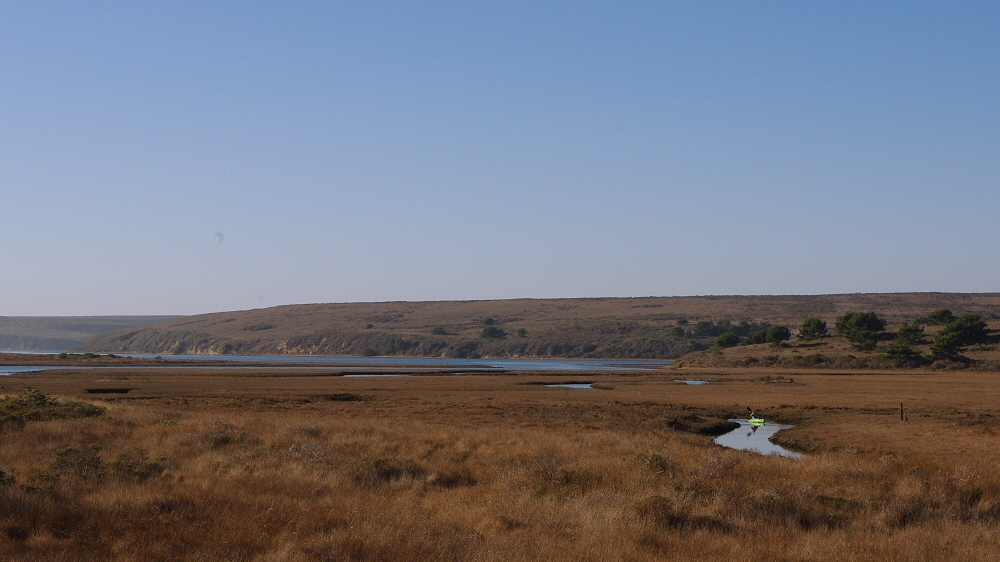
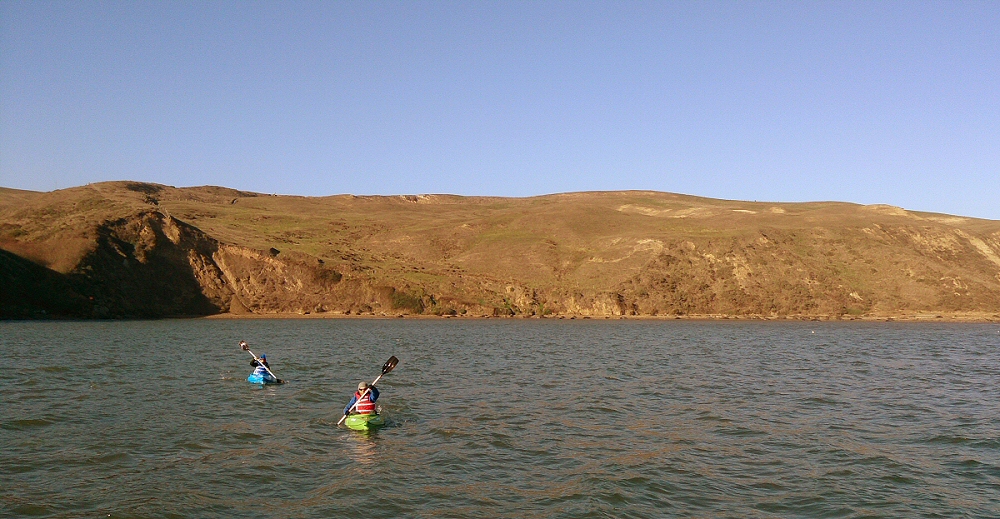
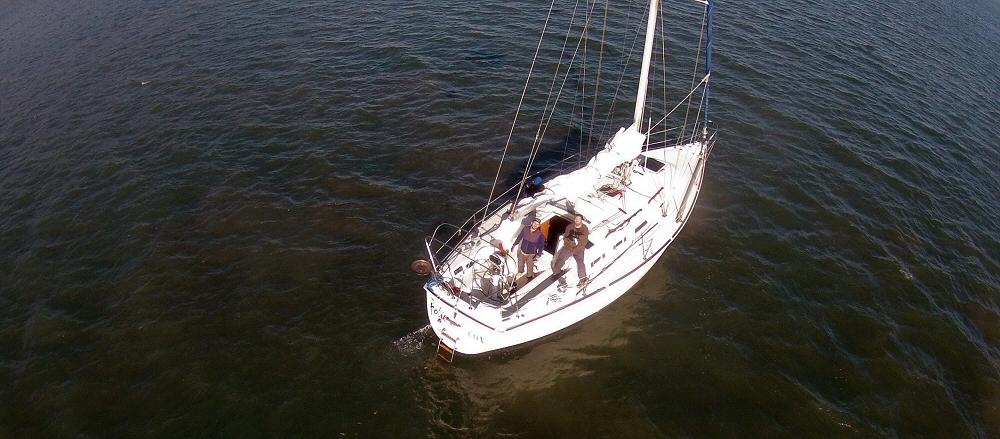
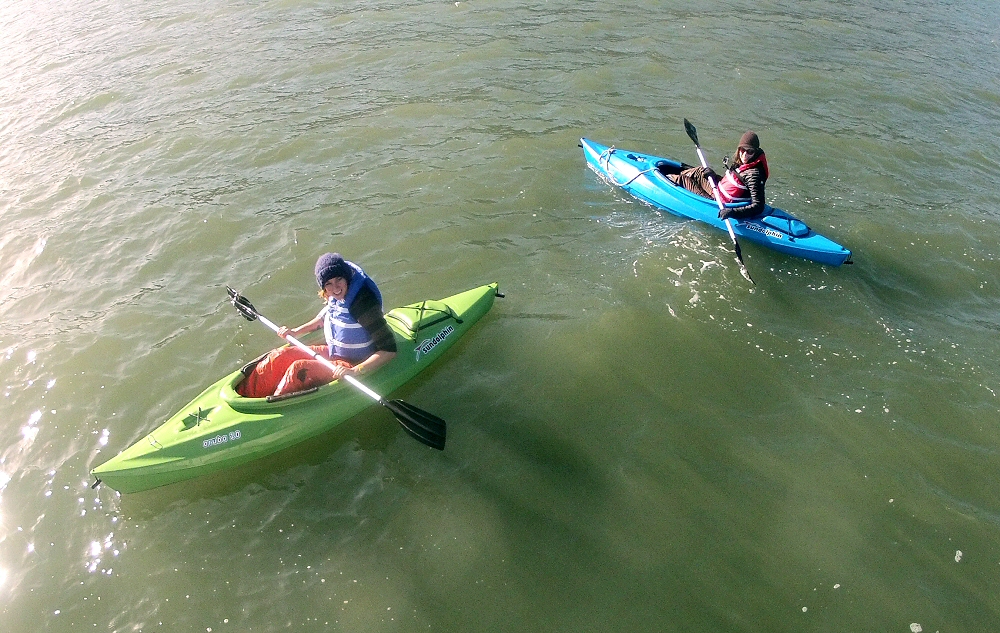
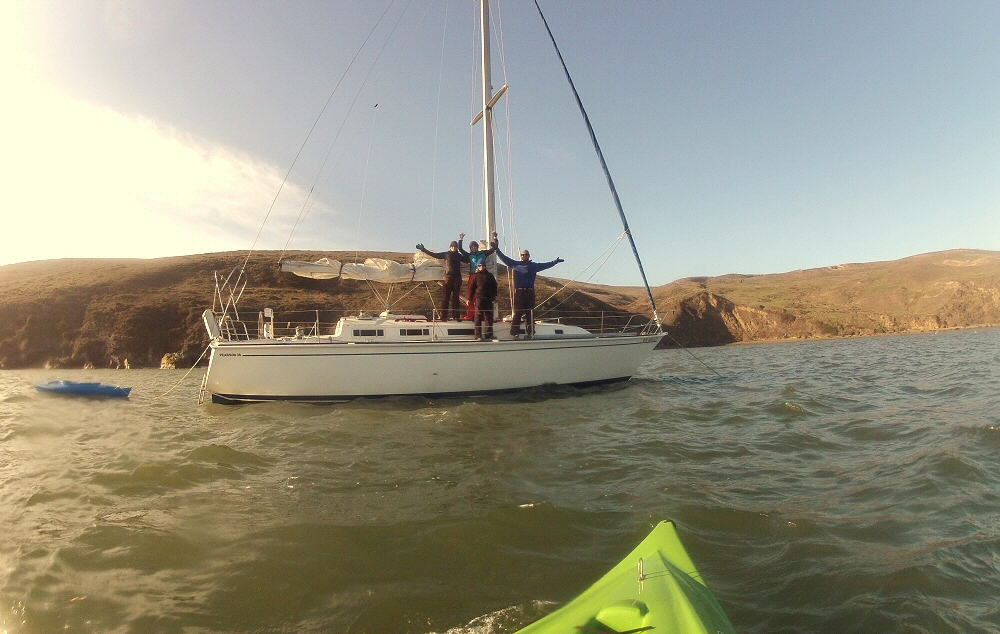
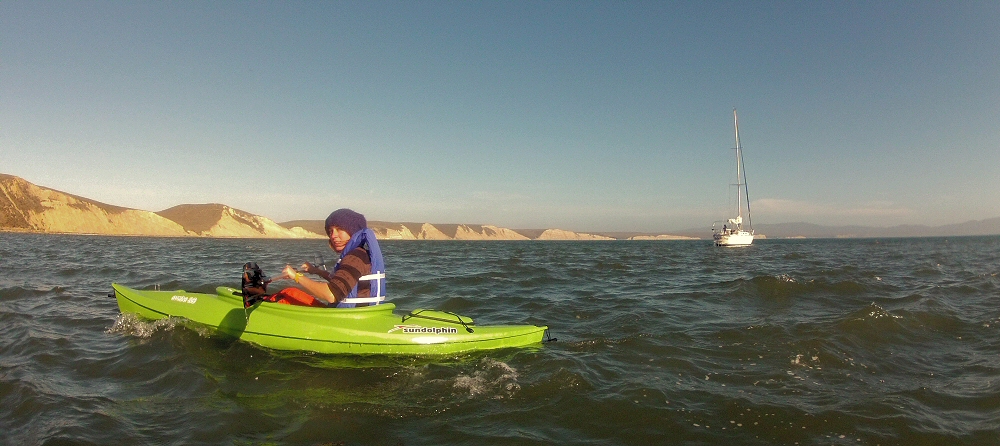
Busted up to Estelo de Limantour State Marine Reserve today, with the kayaks, and Becca + Dave. A good day in a quiet, wild, open space. It’s just along the beach from where we were anchored last weekend at Point Reyes … but instead of taking 9 hours to get here it’s only taken just over an hour. Spot the wee green boat in the photo!
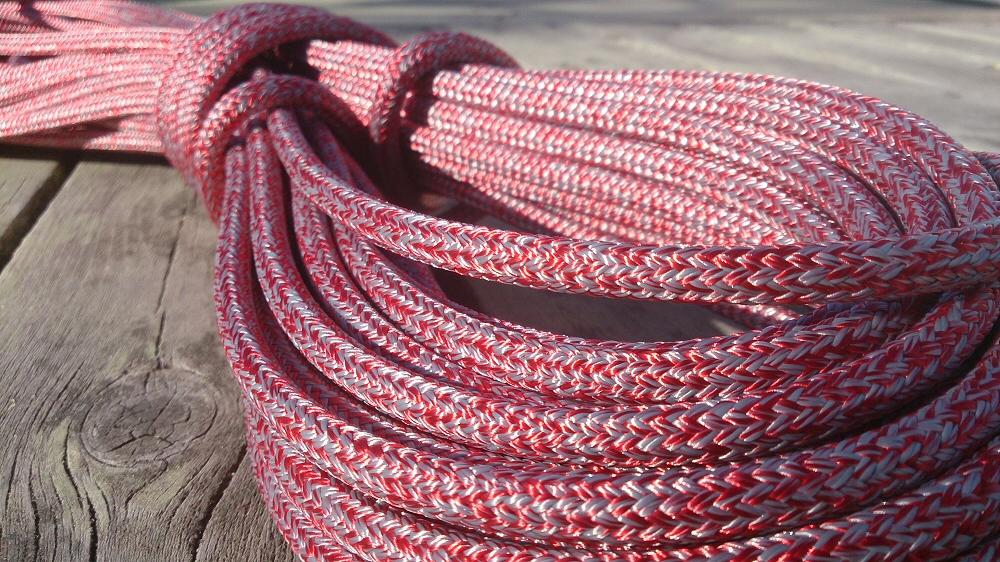
Don’t you just love it when a store decides to run a big discount on something that’s been on your wishlist for a while? Today is West Marine’s “Friday deal” – which is a tidy 40% off all bulk rope. Whilst it was tempting to go overboard (how many phrases have nautical origins?!) and replace most of the tired lines around the boat, I was able to restrain myself to the “need” rather than “want” list.
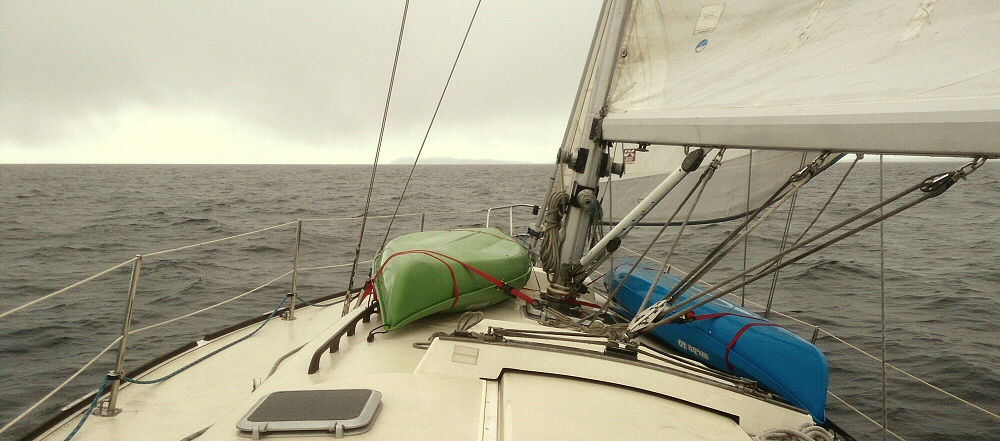
The other day on the trip up to Point Reyes we got some nasty riding turns on the jib sheets, partly due to the ancient, flattened and fluffed ropes. So they were up for replacement. I got blue ones thinking that all the other lines aboard were white … making it easier to give instructions – “pull the blue one”. Getting back to the boat I see that the jib furling line is also blue. Oops. Ah well. At least now I’ve got two more tired, end of life ropes hanging around … perfect for holding the kayaks down!
I have no halyard backups to use in an emergency if the jib or main halyards go, and at some point I’m going to be looking for a spinnaker, so it also made sense to get the line for a new halyard too. Ended up with 8mm dyneema. I’m amazed by the breaking strength of this stuff – it claims 7000lb, which means that I just need 3 lines to hold the WHOLE BOAT up in the air.
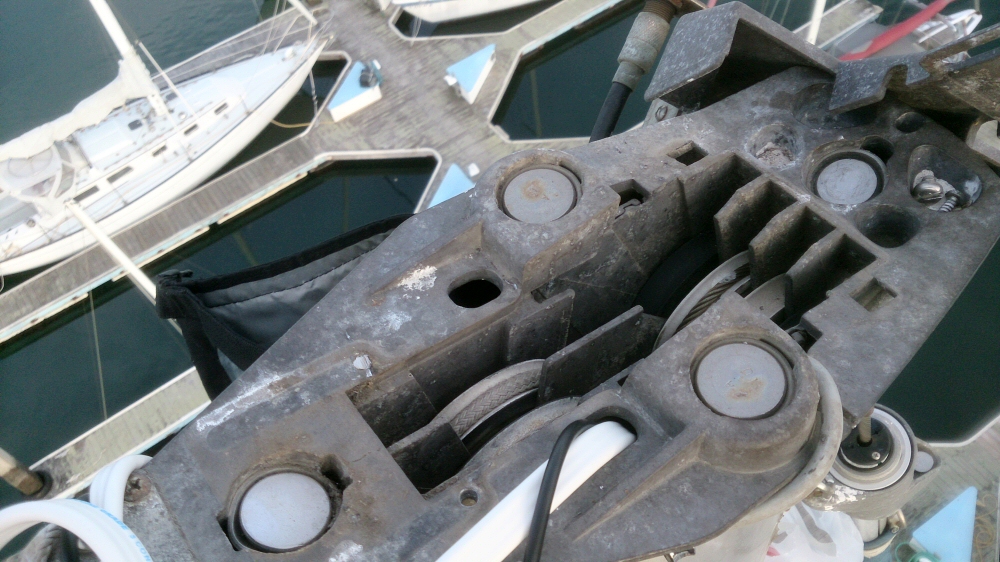
So, now I have another job for the next trip up the mast; fit a spinnaker halyard crane and run the line. It’s also going to need a cleat on the mast.
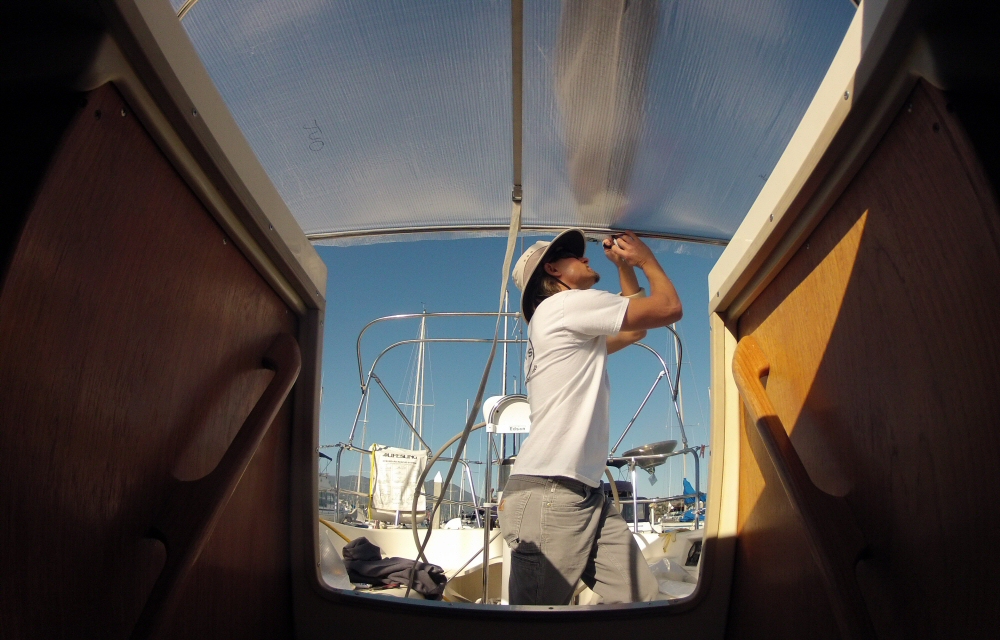
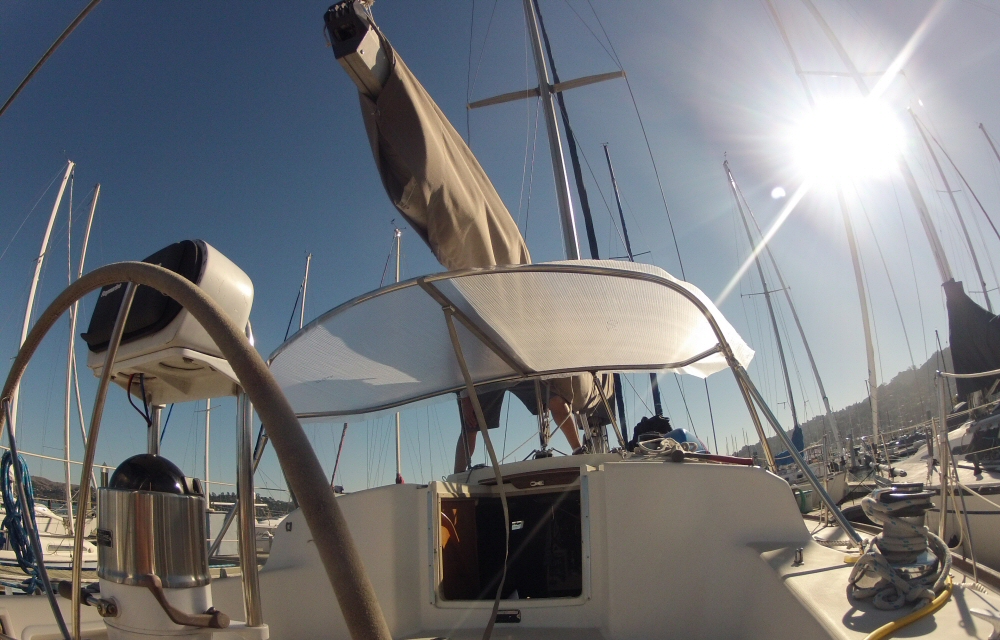
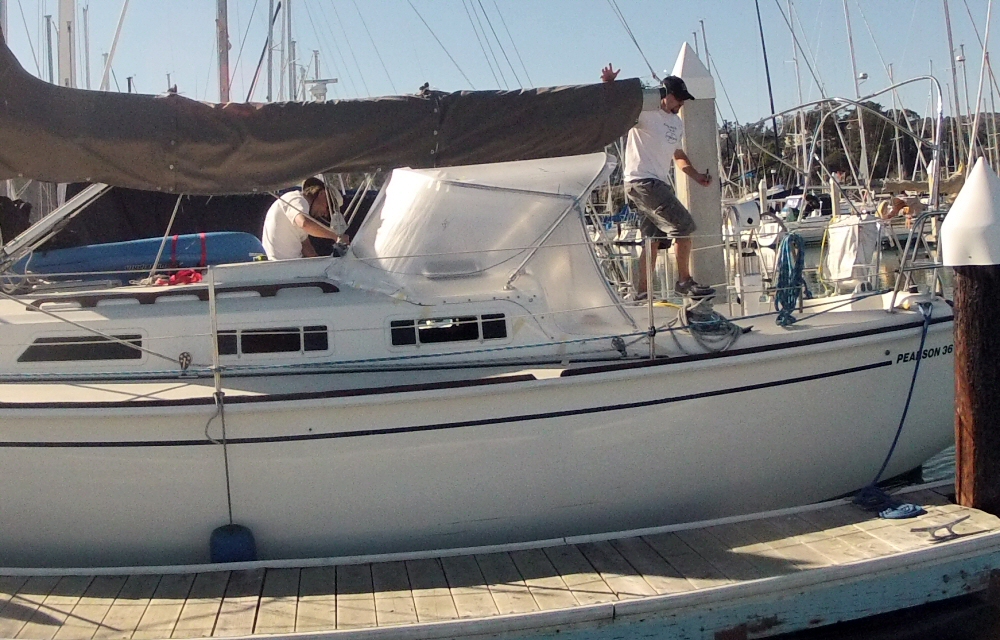
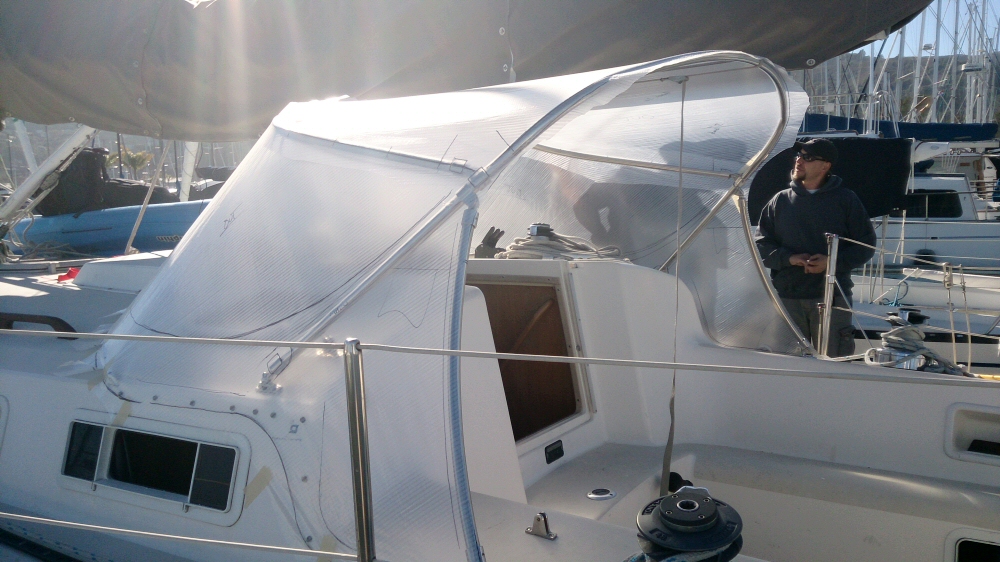
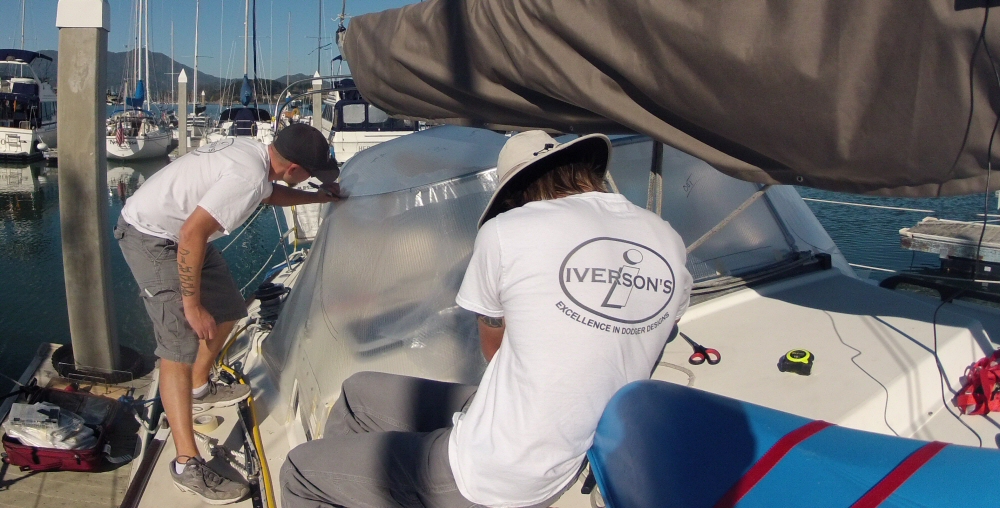
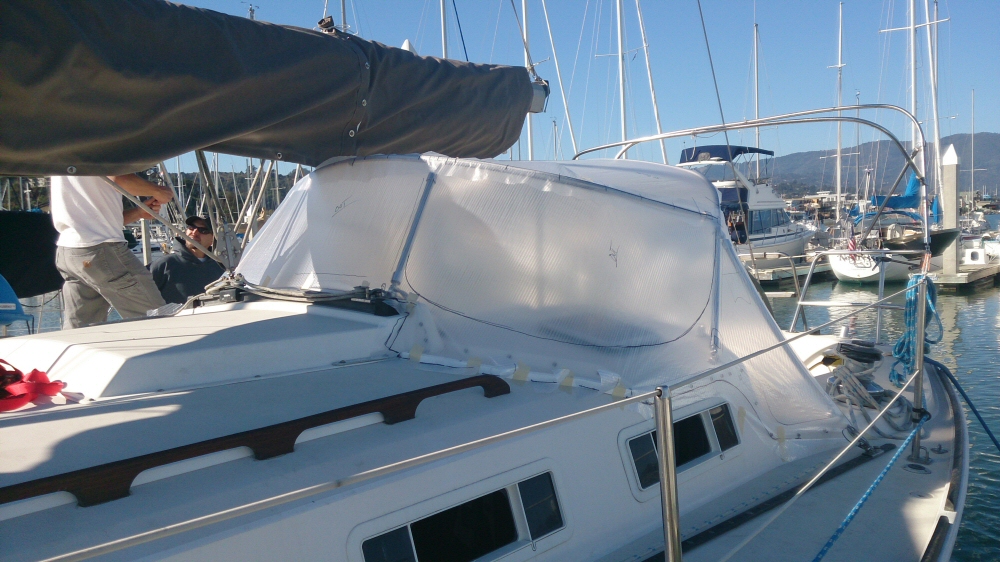
Today I was working from home. The internet is fast enough to do what I need now that we’ve installed a WiFi booster and aerial – it claims to work up to 5 miles offshore with a good signal and line of sight! But where we are a few boats down from the dock transmitter is fine too, even though there’s a big beast of a motor boat in the way. Anyway, the reason I based myself here today was to be around for the first stage of the dodger install. Two guys from Iverson’s came down from Washington and up from San Diego – they also have a few other jobs in the area. The frame was mailed to me last week, and today they set it up and measured out the panels.
I love sailing without a dodger (what we call a spray hood back in the UK). It gives you so much visibility, and you feel much more like you’re part of the world around you. On Rancote we almost always sailed with the fold-able spray hood down. Thinking about that always makes me feel lucky to have had such good weather for our trips over the last few years. Either that, or exceptional planning and weather awareness. But we’re going to be heading off for longer offshore trips when it’s going to be wet, windy and grim, and we’re going to be heading south when hiding from the sun is just as important as hiding from the spray. This thing will have fully removable windows so we can use it in sunshade mode too. The trickiest decision is going to be choosing the colour! We got a new sail cover a while back in taupe, thinking that we’d get the spray hood done in the same, but having looked at samples today I’m thinking that a coffee brown would be nicer. These white plastic boats could do with a bit more brown.
It’s been super warm, too. And really peaceful. The wind is blowing slightly onshore which means there’s no highway noise at all. Only the chink chink chink of halyards against masts, and the gently plop plop of tiny waves lapping against the hull. And yes I did manage to get some work done. However it does really set the mind thinking about getting away from the dock and off to new places, away from cities and gazillions of people.
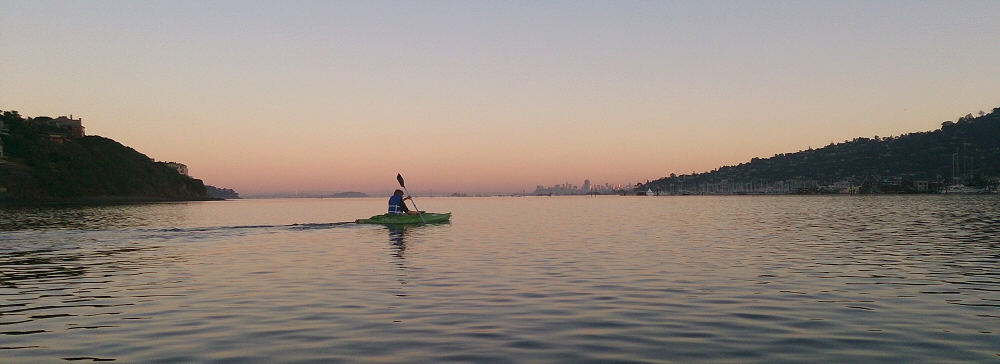
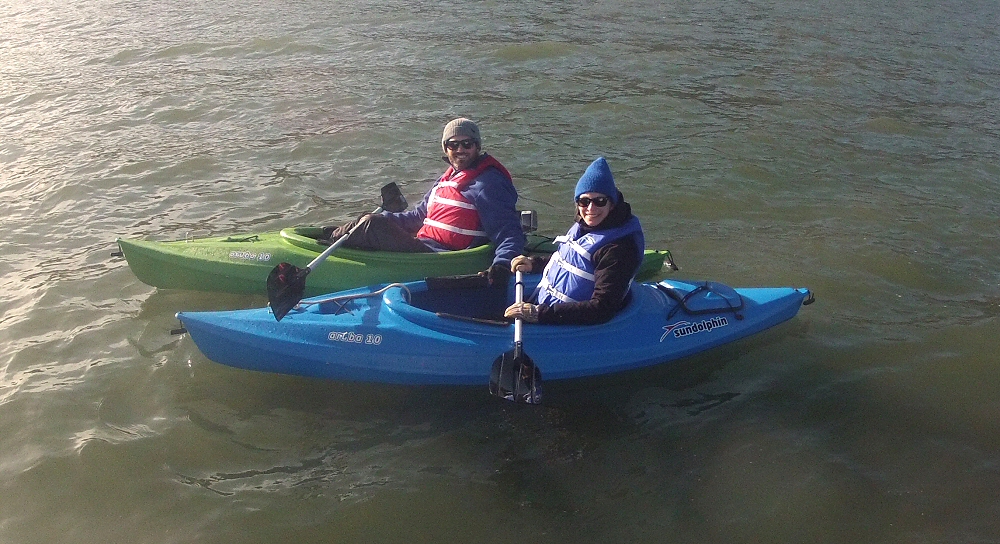
Rose got back from a trip to the David Hockney exhibition at the De Young museum with Kate and then we took the kayaks out for a paddle as the sun went down. You can just see the city in the background. Last night was the full moon – a “mini moon” – the smallest this year. I bought some 7×50 binoculars last week and we checked out the night sky last night – with Jupiter above the moon as it rose. I was sure I could see Jupiter’s moons – is that possible through binoculars?
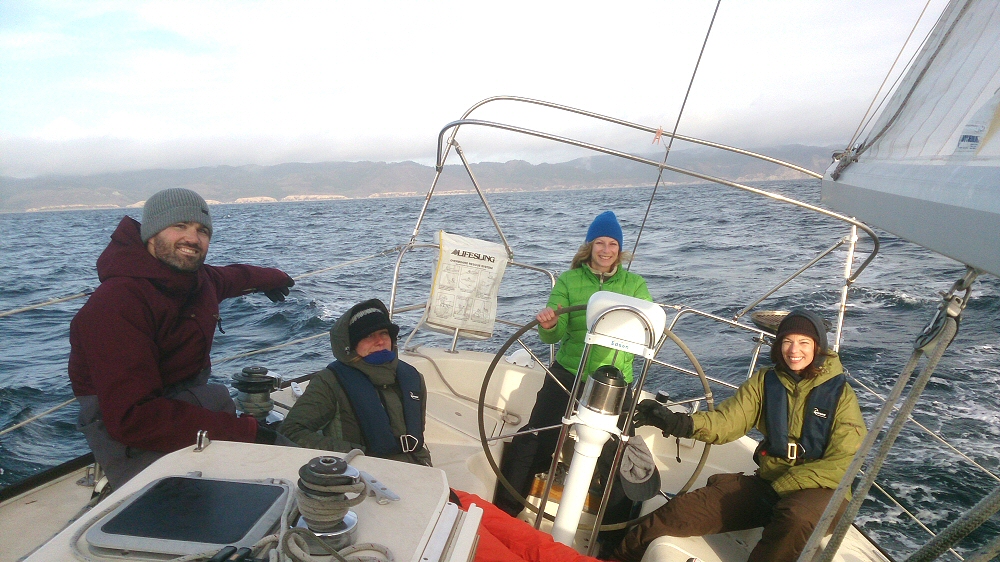
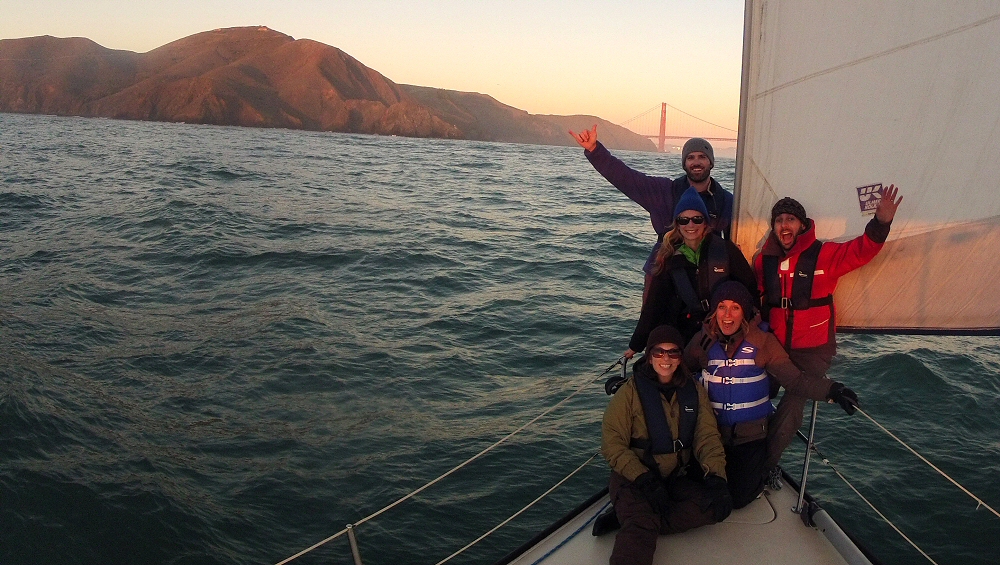
Rose, me, Mike, Rachel and Brittney headed up the coast for the weekend to Drakes bay which is nestled in just inside Pt. Reyes, about 30 miles north of San Francisco.
Leaving the bay – calm and cloudy
The day started out a bit wet – the forecast was for showers, and it was right. We had rain for the first few hours as we sailed north up the coast in a light westerly breeze. Mike and Rachel had been having it large the night before so were fast asleep below, keeping nice and warm and dry.
Land ahoy! Point Reyes on the horizon
Soon the sky started to lighten in the west, and within minutes we were in the sun. Point Reyes was on the horizon. The wind picked up and veered north, so we ended up tacking up to the bay as the sun started to set.
Off Balinas just after the cloud and rain clearedThe sky’s brightening up!Love being at seaMike
We had 3 attempts to get the anchor to hold, eventually getting it to stick as dusk fell. Food and drinks and games took us all the way to late evening – everyone pretty tired and all asleep by 11. The wind picked up further overnight, gusting over 30 knots. Up in the forward cabin it felt like we were still at sea – but the anchor held and we woke to calmer conditions and warm sunshine for Rachel’s birthday.
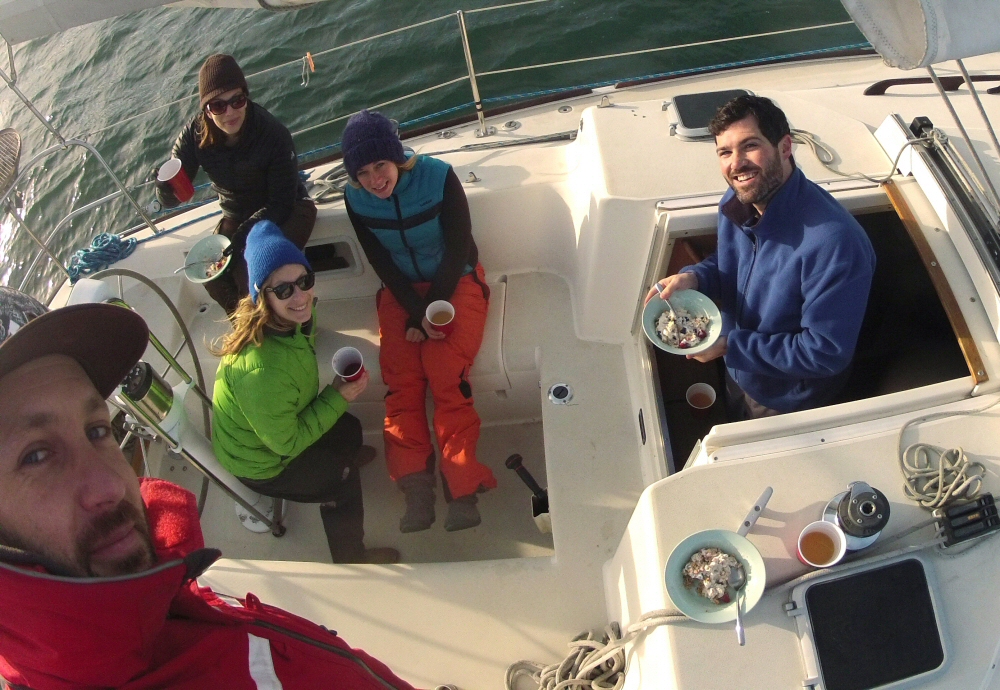
Breakfast time!
Dawn at anchor after a blowy night
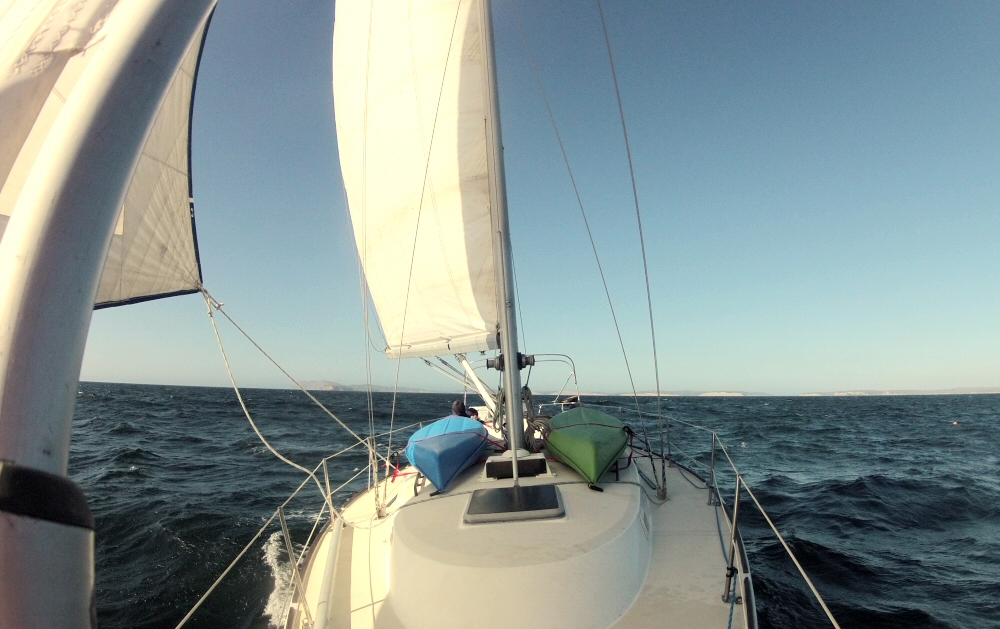
After breakfast we rustled the kayaks off the deck and took turns heading to shore to check out the (very noisy) elephant seals. These things are huge. A few harbour seals (like we have down in Sausalito) were their usual inquisitive selves, following the paddlers almost all the way back out to the boat. I’m pleased by how the kayaks handle the chop – we got a bit wet without spray decks, but that’s easy to sort.
Off to investigate the elephant sealsJust enough wind to get the kite up …Folie A DeuxRose and BrittneyHello crew!Mike and RachelRose
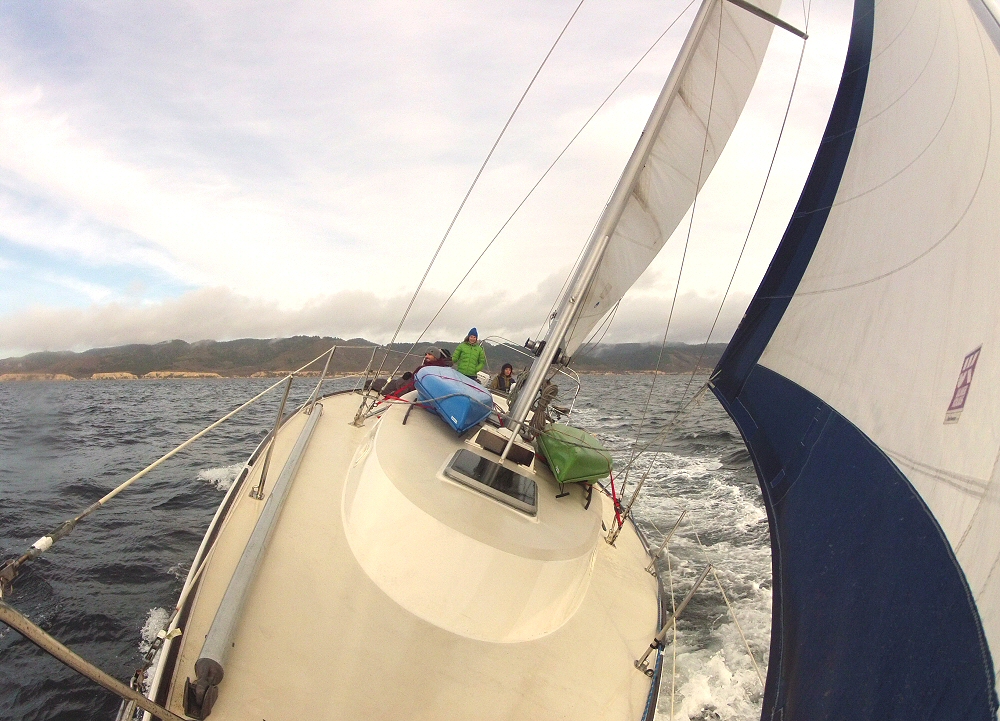
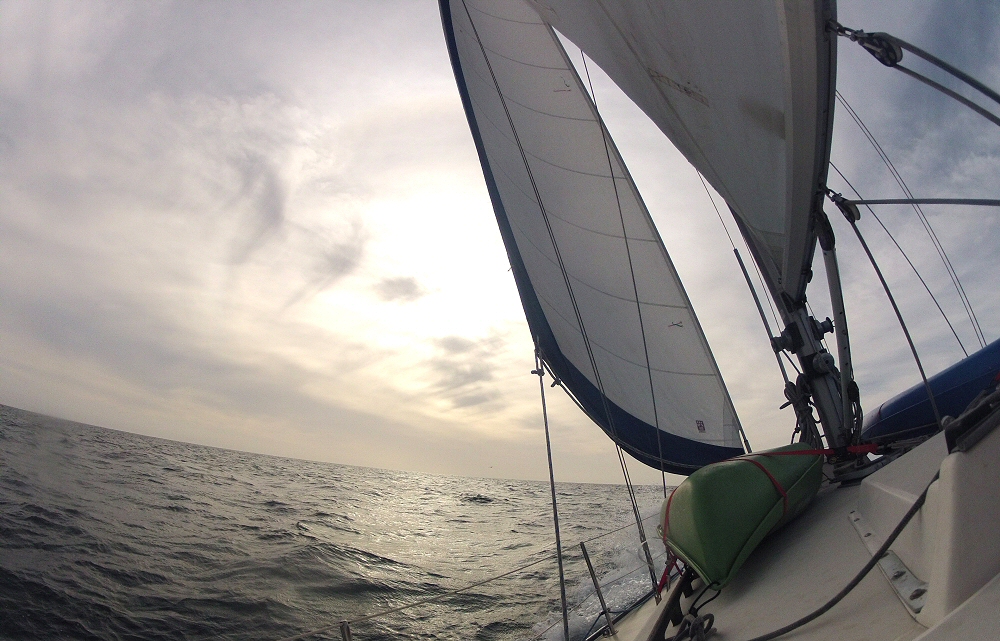
By 1130 we were “back on the road”. A fresh NW wind from almost dead astern meant we had to put a few gybes in as we headed back down the coast. We tried wing-on-wing for a while but it was a little too rolly without polling out the jib to be comfortable.
Heading south – Pt Reyes on the horizonSun, wind, warmth. Mmmm
By the time we got down to the SF bay, the swell had picked up considerable. 9-14 feet the forecast said, and it was definitely on the large side of that. Large and rolling though so not dangerous. As we rounded the SW corner of Four Fathom bank, we were surfing at 12 knots down some of the larger waves. Closer in to the bridge in the shipping channel things mellowed out a bit.
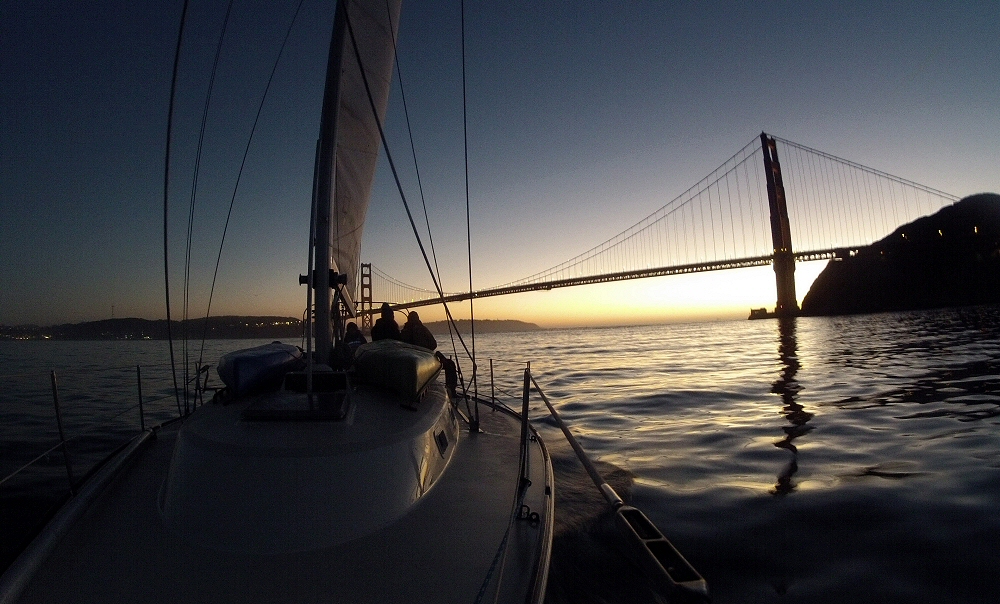
Dusk as we approach the Golden Gate
As usual, we lost the wind when the sun went down and motored back to the slip in Sausalito. Mission accomplished!
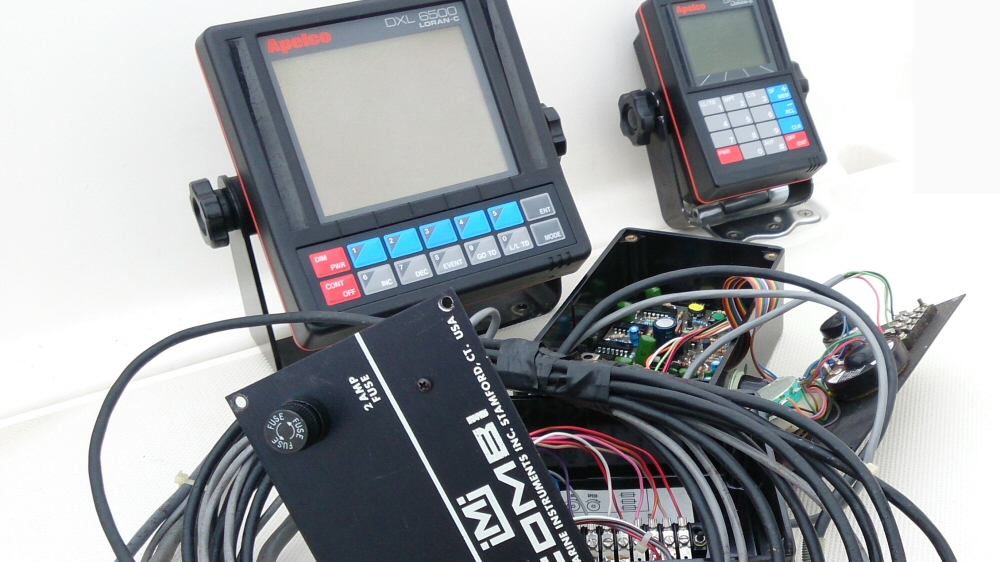
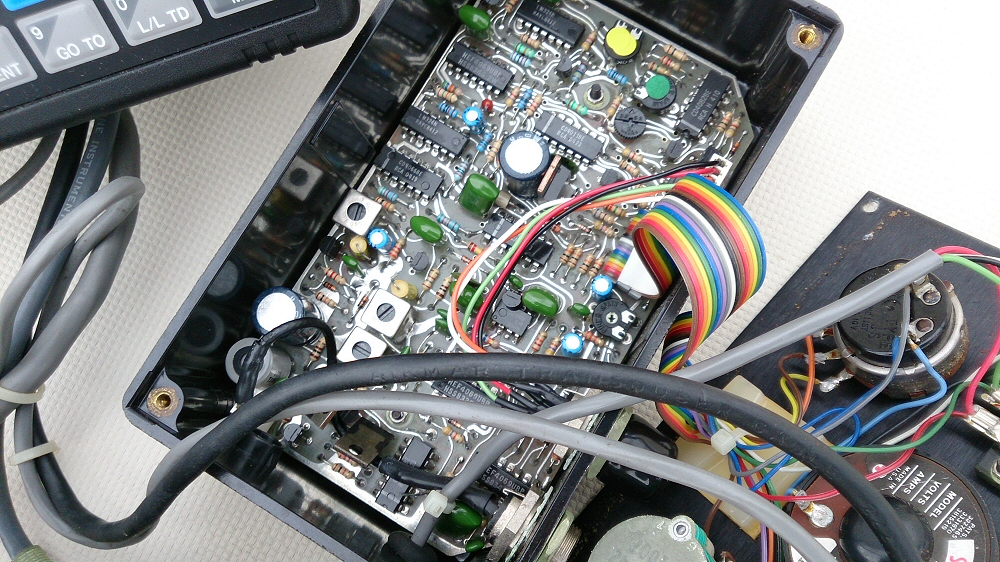
One of the big projects on the boat over the past few months has been installing a new set of electronic instruments. I bought the boat with original kit still installed – speed and depth sensors, and a Loran setup for navigation. From the first owner’s receipts I can see that it all added an extra $20,000 to the price of the boat! I didn’t even need to check if it still worked. It may well have done, considering how fastidious the previous owner was about cleaning… or maybe it didn’t, since I don’t think he was so hot on the sailing side of things. The reefing lines weren’t even set up properly. But I digress.
Old skooolMore art than electronics
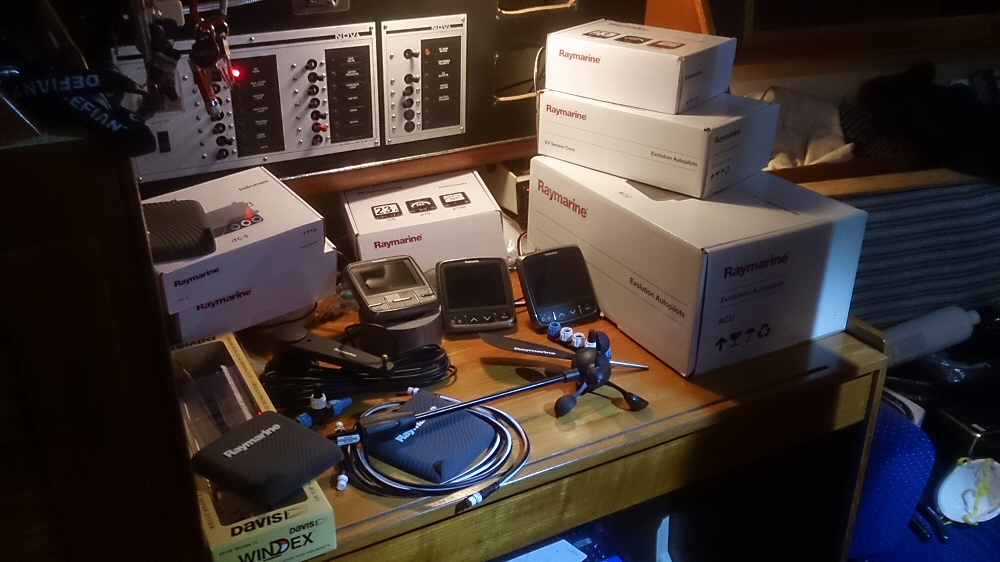
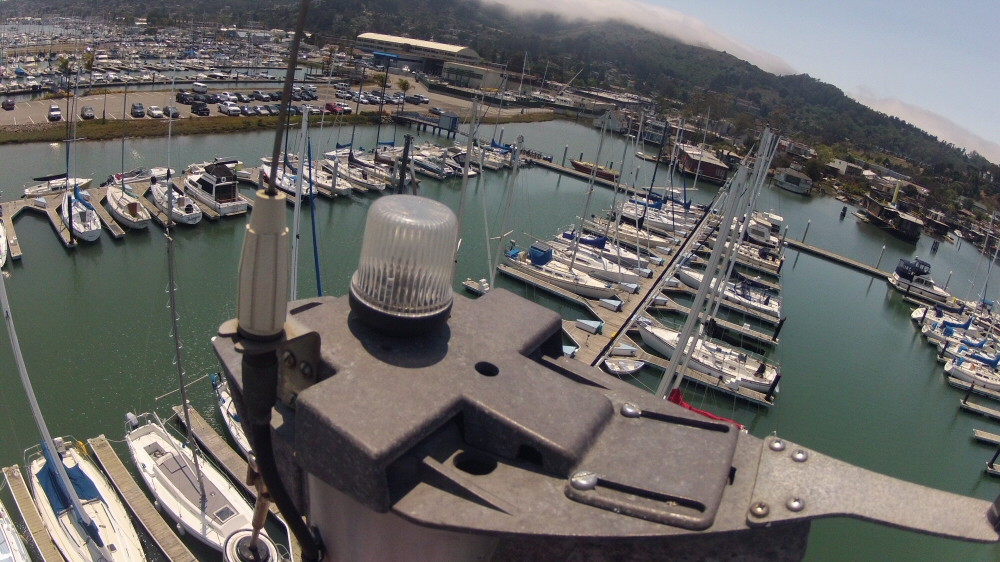
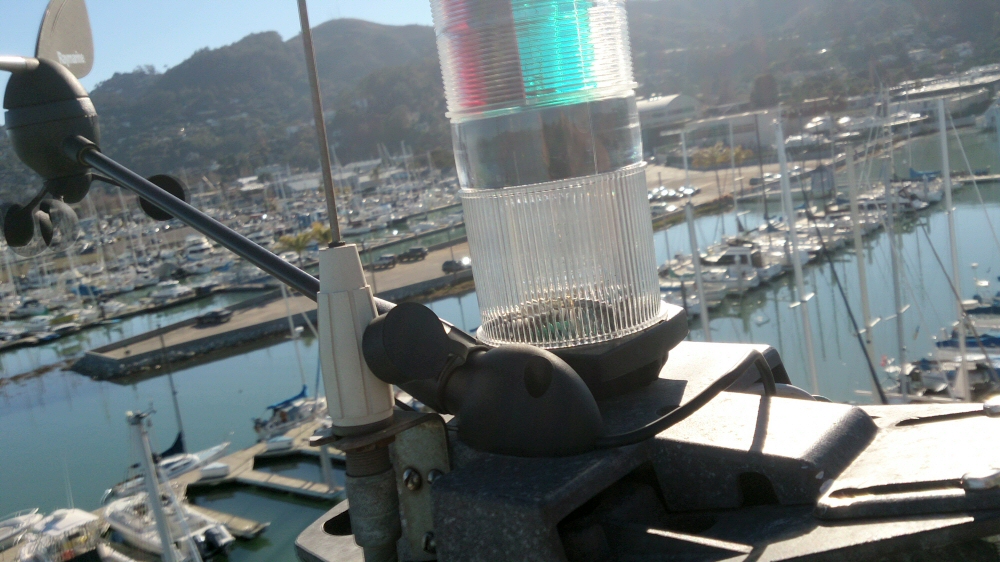
I spent weeks researching options whilst still in the UK. I knew I wanted a modern below-decks autopilot which was going to need a modern boat network system, and pretty much most of the other stuff hung off that. Warning – this is probably going to turn into quite a technical post! So, having chosen to buy the Raymarine Evolution system, it meant that Raymarine stuff was the most sensible for the rest of the system. I needed new speed and depth sensors, new wind speed and direction sensors, and some way to tell the autopilot where we were going and how fast we were travelling (Course Over Ground and Speed Over Ground from a GPS). Because there was no wind instrument before, it also meant I had to run wires all the way to the masthead. There were no masthead nav lights either, other than an old non-functional anchor light – so whilst I was up there I planned to add an all-round tricolor. I considered LED for this, but having read too many stories about excess VHF interference after a few months, I decided on classic tried and tested incandescent light bulbs. Hey, I can always switch the bulbs for LED ones later.
New goodies
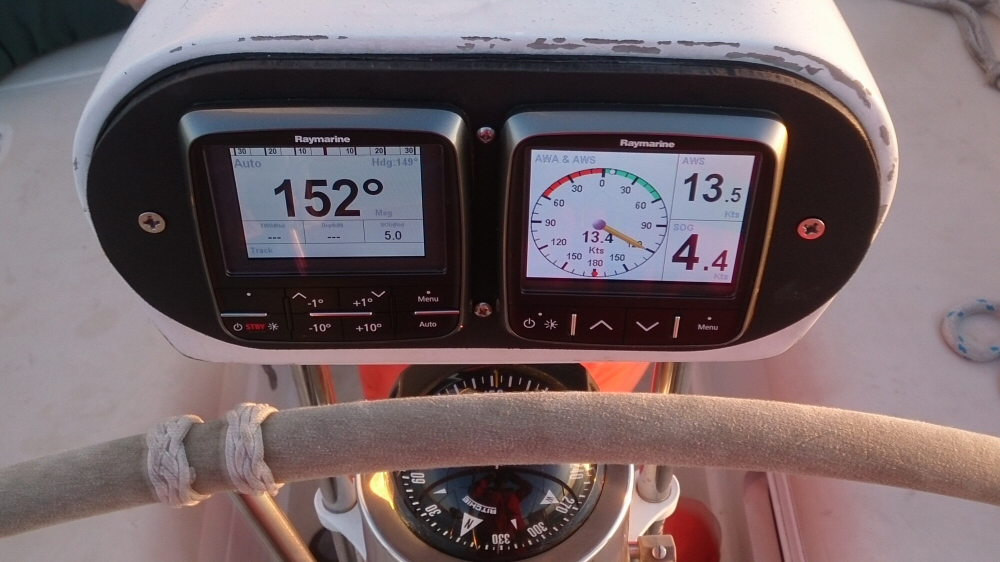
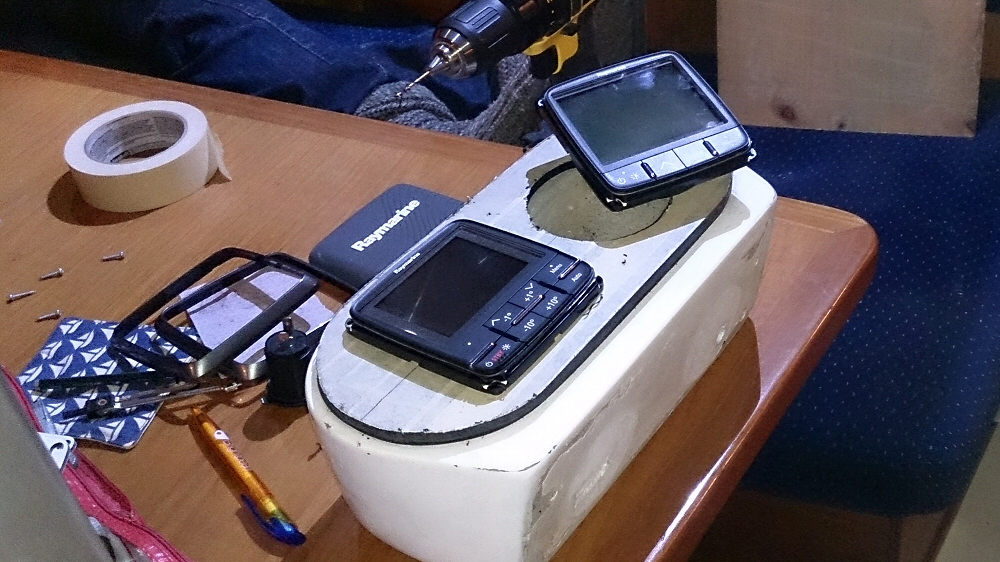
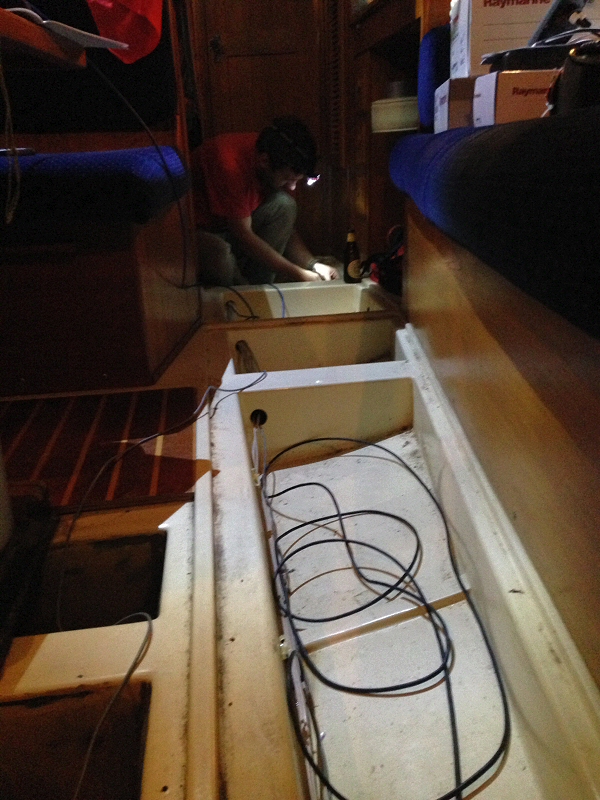
Once all the kit arrived it was a case of spending a good few evenings routing wires around the boat ready to add the sensors and other gubbins. At the masthead is the Raymarine wind jobby, with a wire that runs down the inside of the mast to a converter device under the forward saloon seat which converts the signal into the SeaTalkNG that the rest of the network needs. Also plugged into this is the speed/depth/temperature tri-ducer, which needs the boat to be hauled out of the water before I can fit it. I’ve an i70 display unit at the chart table, and one at the helm. There’s also the autopilot control head at the helm. I modified the original instrument pod at the helm with a new plastic fascia. Not too glamorous, but waterproof and solid.
Instrument podSystems are GO
The Evolution course computer and drive controller sit out of harm’s way at the back of the huge cockpit locker.
Running wires under the floor
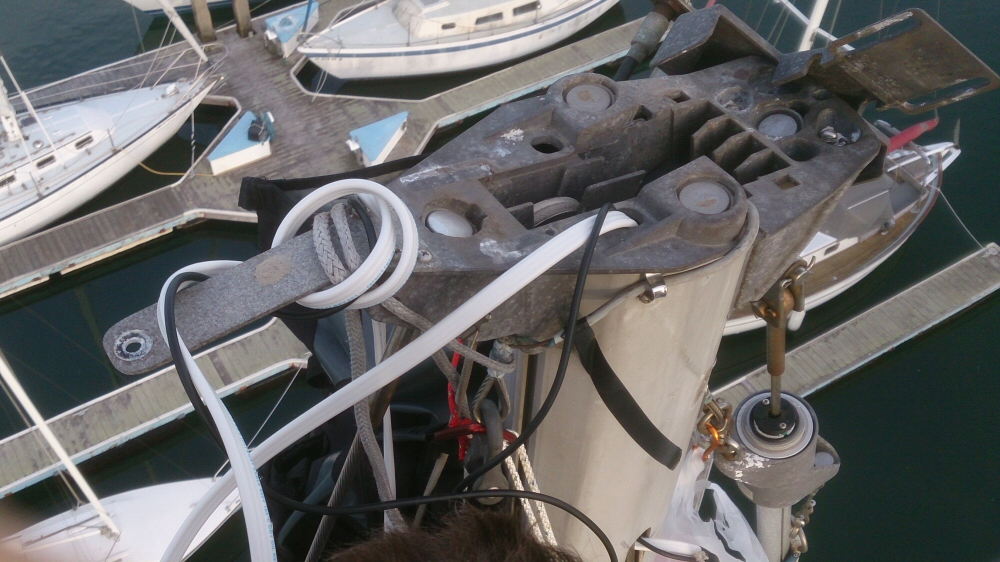
Rose hauled me up the mast one Saturday to get the wires in. Fortunately the messenger line was still intact (a line added by the manufacturer for just this purpose). The idea is that you tie your wires to it, then haul the line down through the mast. I fed them down from the top with Rose pulling from the bottom. It’s a keel stepped mast which made this job easier than I expected – though it still took a good few hours. I was still up the mast as it got dark, not yet finished. An hour or so later I was nearly hypothermic, so had to abort for the day. Everything was connected and fixed on – just the mast cap needed bolting down.
Before …and after!
Mast cap offFeeding wires
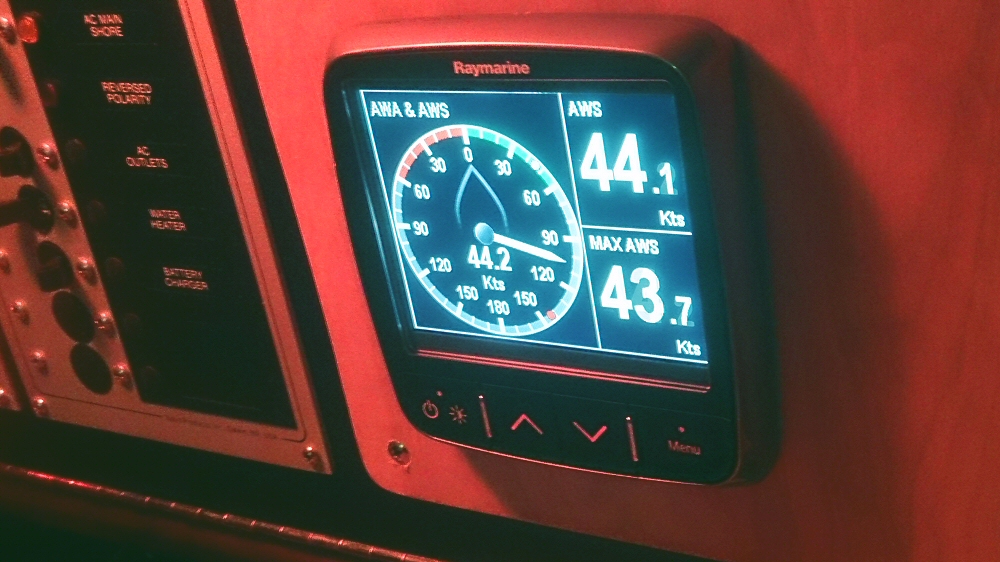
Once everything was plugged in (apart from the autopilot drive unit, which needs some serious engineering / fabrication that’s beyond the odd evening’s work), I fired up the system and the displays came online. Sweet. Now I could see the wind speed and direction at least. A couple of nights later it got pretty windy. We never had technowizardry like this on Rancote, so it’s all going to feel rather extravagant.
A frisky night!
I spent some time hunting a good deal on eBay for a GPS unit and ended up with a Garmin 17x NMEA2000 unit for 90 bucks. Pretty good. Better than the $300+ that Raymarine are asking for one of their units. That went in without any problem, so now we can see where we are. One of the challenges is that the instrument network is uses a system called SeaTalkNG (which is compatible with NMEA2000), but the VHF radio I bought in April, perhaps a little prematurely, only interfaces with a GPS signal on NMEA0183. I’ll figure that one out later.
And that just left the autopilot drive unit to install. This was going to be the biggest challenge, and needed some thinking time. It’s a beast of a machine which can pull up to 750 pounds on the rudder, which means it needs to be mounted REALLY strongly somewhere in the transom. As it’s such a critical piece of the project, and as I’m by no means a fibreglass construction pro, I thought I might get the guys at the local yard to do this. After getting a quote for well over $2000 I soon changed my mind. They wanted to haul the boat out of the water to get it closer to their air powered tools, and whilst it was out give it a new coat of paint on the bottom. The local yard doesn’t let you do your own work due to environmental regulations, so we had to pay labour for painting … anyway it was all going to be well over budget so I decided to do it myself.
After a load of templating with cheap, thin timber I put together a solid marine ply shelf that was screwed and glassed in over the period of a couple of days. It’s solid. And now I’ve the confidence to tackle most other fibreglass jobs that come along. Granted, it’s not the most beautiful of jobs, but hidden away down there nobody minds. Finally I bolted down the drive unit, hooked it up and we were in business. The Evolution autopilot “dockside wizard” took a few seconds to run through and then we were running. Just in time for our cruise over the bay to see the new year fireworks. Let’s see how it all runs when we get to sea.
The last piece of the puzzle is to get the speed/depth sensor put in, which I’m going to do when we haul the boat out for a bottom paint at Napa Valley Marina in January. The depth sensor actually works from inside the boat if I mount it into a short piece of PVC tube filled with water – which is great for the trip up the river but of course not a permanent job.
Deep in adapting to a new life here in the US, I’ve not been giving much attention to this site – but there’s been a lot going on, as usual.
We’ve now been living on board for a couple of months. It’s remarkable how it doesn’t feel like we’re “camping” in any way at all – the boat is spacious enough, with hot and cold running water, space heating courtesy of a ceramic heater from West Marine and room to store everything we brought over from the UK (which wasn’t much). A few weeks before Christmas it got pretty cold, with the nights a couple of degrees below freezing and lots of heavy frost on the decks and pontoon in the morning. Tucked up under a warm duvet with the heater on we were fine.
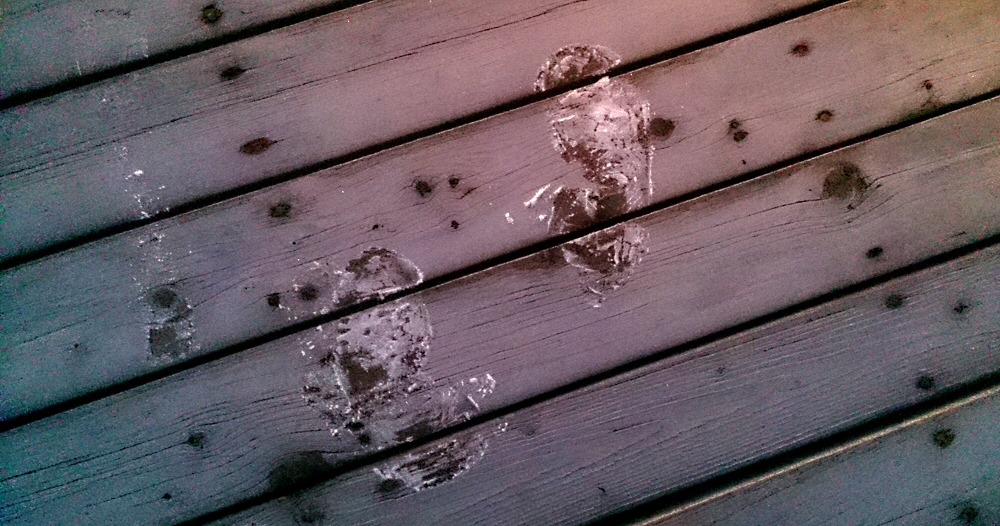
Deep frost on the docks in the morningWinter in the marina, new sail cover
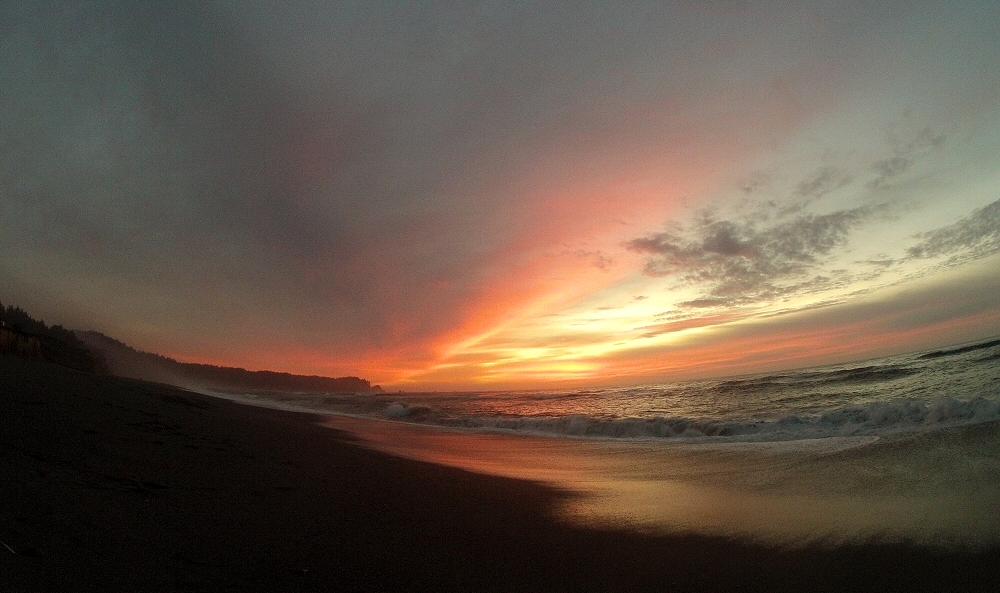
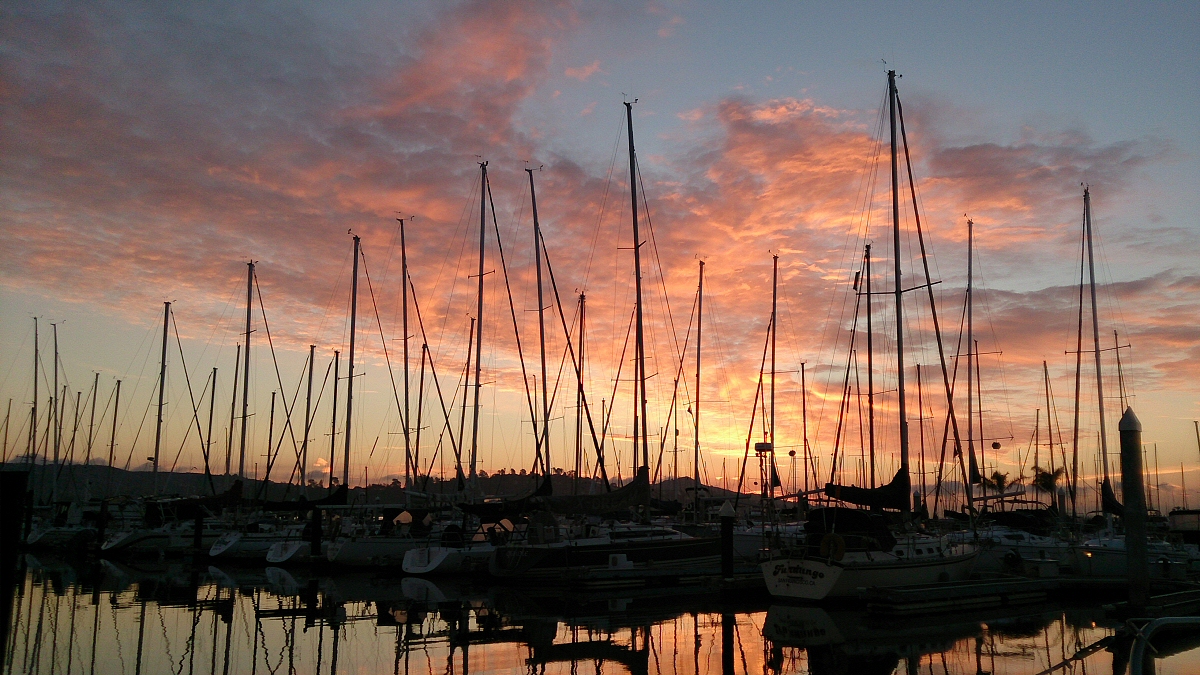
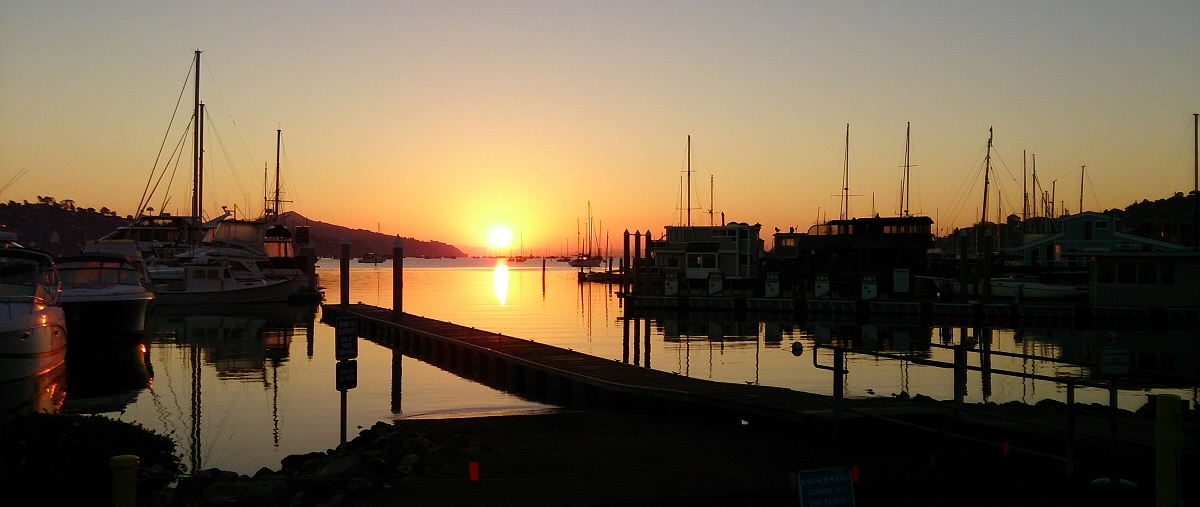
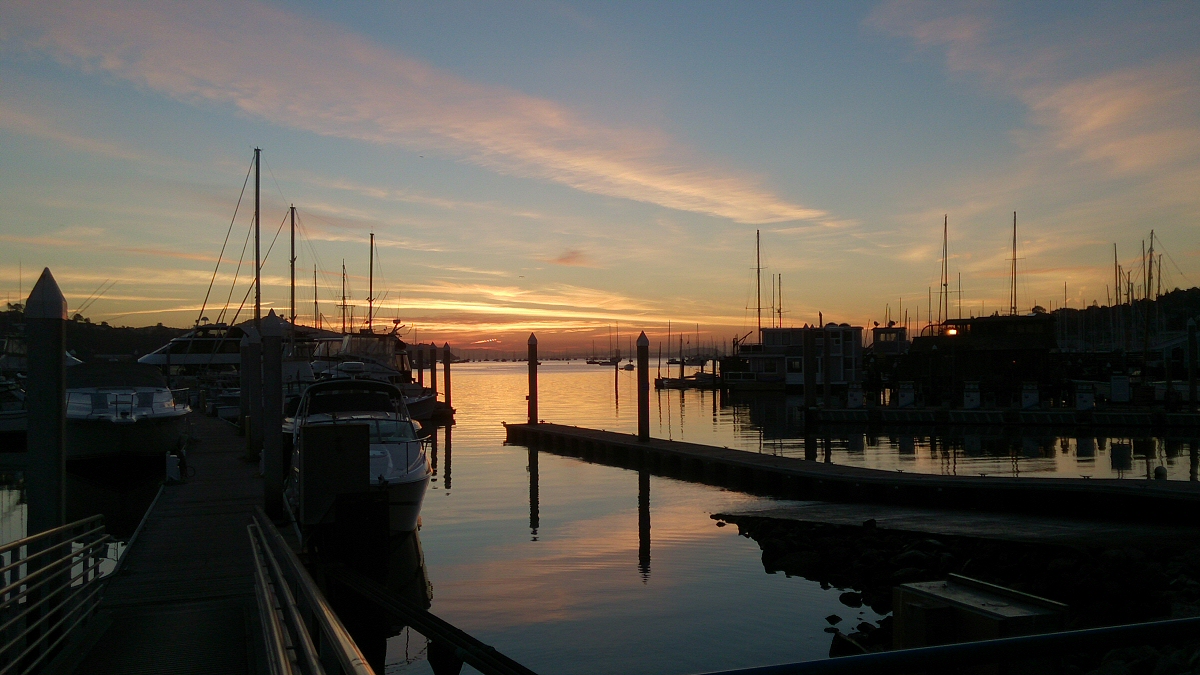
The skies have been amazing – almost every dawn and dusk the horizon is lit up with pinks, oranges and reds, fading into the blue (or black) sky above. As I’m getting up early to commute to work in the city, I get to see the sun rise most days, which is awesome. We’ve had a few trips over the Marin headlands which are literally a stone’s throw from where we’re moored up – with plenty of sunsets over the sea.
Sunset over the Farallon islands
I really want to take the boat out around the Farallon islands for a day trip. They are about 30 nautical miles offshore, due west, so that’s a 12 hour round trip with a favourable north or south wind. The islands are supposedly one of the world’s hot spot great white shark breeding grounds … so no swimming on that trip!
We’ve just come back from 4 days up at lake Tahoe with Rose’s mum, sister and Tony who are staying over with us for 2 weeks. It’s tight with 5 on board, but we’re managing! We stayed in a nice little cabin in Tahoma, in a real bed for the first time in 2 months! The snow was shockingly absent however … but we did get 2 days skiing in (snowboarding for me). They say it never snows in January – so we may be in for a wait before the next Tahoe trip; not such a bad thing since I busted my shoulder up on the first day coming off an icy quarter pipe badly. Not broken, but badly sprained and will need some good rest.
Lake Tahoe forestLake Tahoe
At the moment Clare and Tony are somewhere up north, following in our footsteps hunting down giant redwood trees. Of course I’ve been working loads on various boat projects, finally completing the autopilot install on New Year’s eve. Just need to get the boat hauled out to install the depth/speed/temperature transducer now, and then all the new instruments will all be up and running. We’ve been out sailing a good few times by ourselves and with buddies, including the Sausalito Lighted Boat Parade just before Christmas.
End of a trip around Angel IslandDusk out on the bayComing back under the Golden Gate bridgeOut in the Pacific for the first time!
But it’s not been dry all the time … we’ve had a couple of storms when the wind has whistled through the marina, up to 48 knots at times … bringing rain and helping us find all the leaks in the boat, adding more things to the big to-do list. A number of the portlights are leaking – the seals look like they are the originals from 1985 so I’m not too surprised. The tie-down for the mast has pulled a little into the cored fibreglass deck, so I’m going to get a longer one machined and sort that out with some decent strengthening plates and epoxy. Otherwise, pretty dry. But that’s in port. Out at sea in a swell with the boat banging and flexing could well be a different story!
Wet
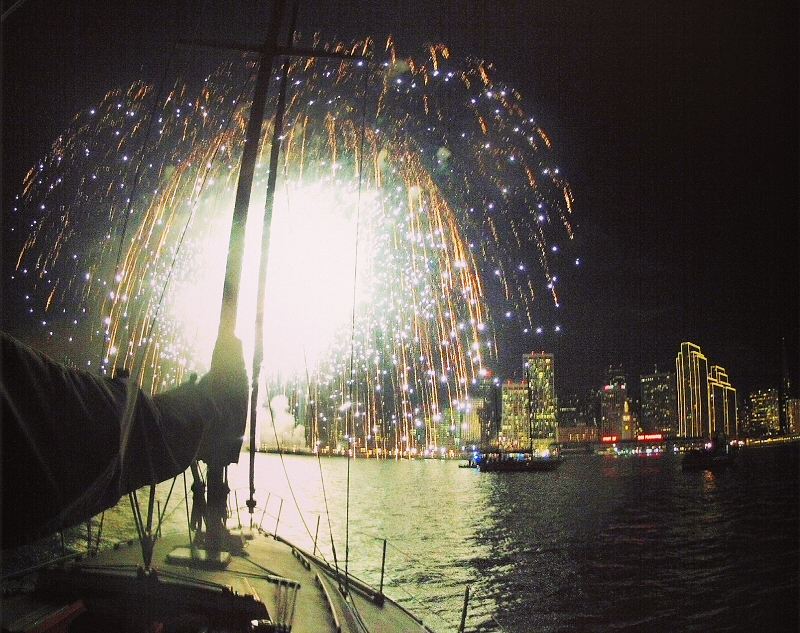
And then finally, we finished off the year with a trip out on the bay to see the fireworks – probably the biggest display I’ve ever seen (well, this is America), lasting for 15 minutes and blowing god knows how much gunpowder up over the city and bay bridge. There were hundreds of boats out on the water watching – quite an experience.
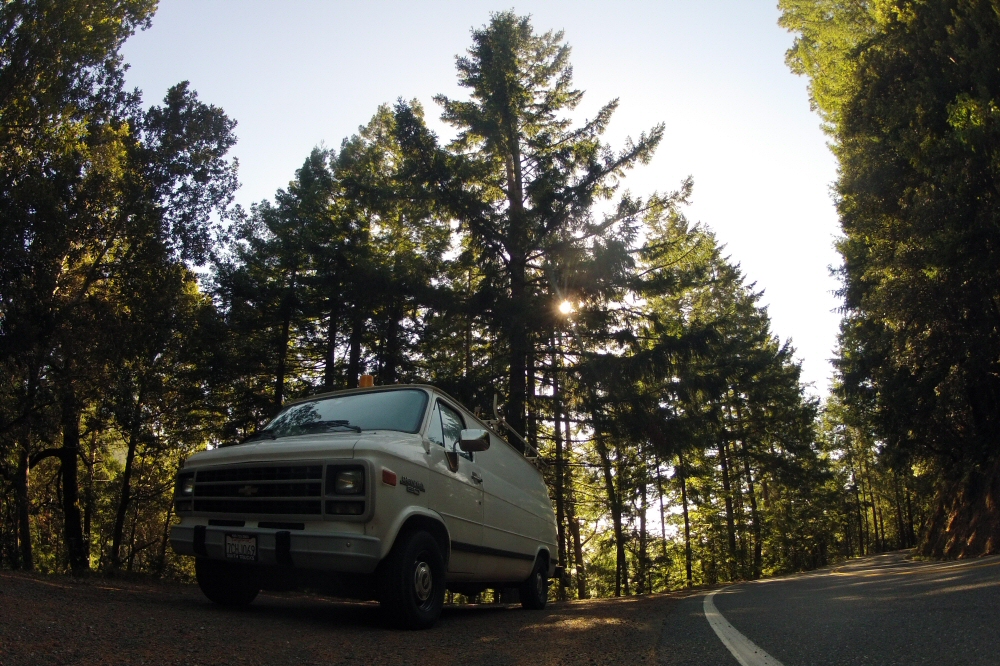
Without a family to visit on Thanksgiving, Rose and I decided to make the most of the 4 day holiday and head up into northern California to go and hunt down some redwood trees. We were not disappointed.
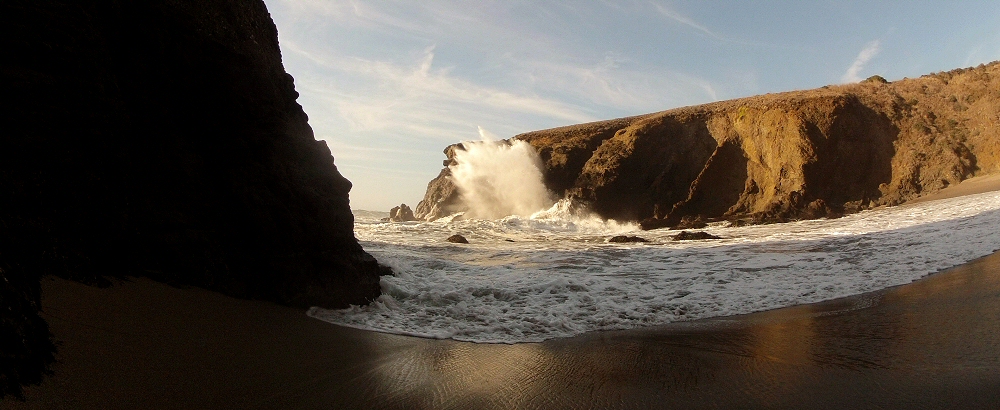
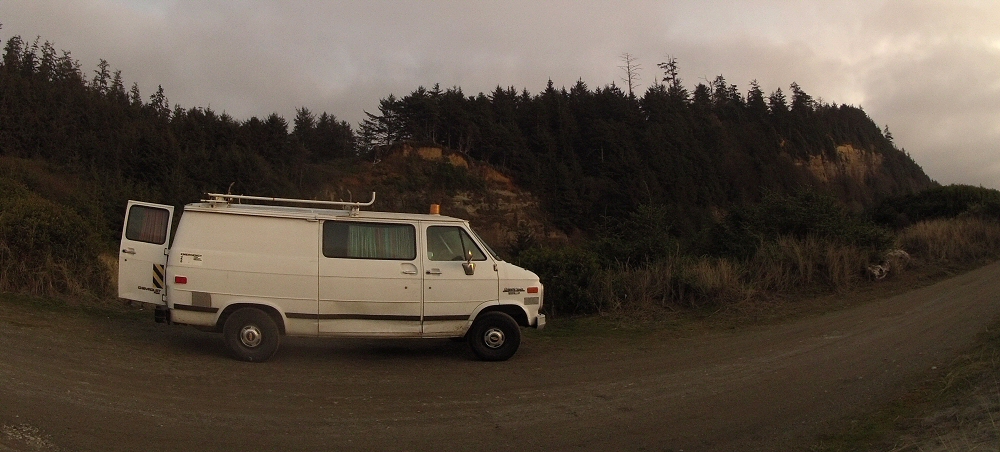
We jumped onto highway 101 to get some ground covered, skipping the local sights of Tomales bay and Point Reyes – close enough for a weekend trip later. Turned left at Petaluma to head to the coast and the famous California highway 1, joining the sea at Bodega bay, which happens to be the furthest north our current boat insurance covers us for – and we’ll definitely be heading up here again by sea! The whole coast road is amazing. Stop at any pull-over and find your way down to a deserted, wild beach.
Pacific coast beach
We spent a couple of days winding our way up the coast, through Mendocino and Fort Bragg, stopping briefly to see the vastly overrated “glass beach” – supposedly one of the sights to see along the highway where local glass factories used to dump used glass, washed by the waves and sand into millions of shining glass gems … not much more than a tired old beach with too many people and not much glass if you ask me. So, back on the road to get some more miles in.
Epic sunset just north of Trinidad State Park
Some way north of Westport, route 1 turns inland to avoid the King range of mountains – deemed too difficult and expensive to build a road through. The 50 mile stretch of coast from here north to where the road comes back to the sea at Eureka is called the “Lost Coast” – an evocative name for one of the wildest stretches of coast in the USA. I really want to come back and hike it over a few days some time. As soon as the road turns inland, the moisture levels rise, you start climbing into the hills and bigger trees start to line the road. No giants yet, though…
View stop
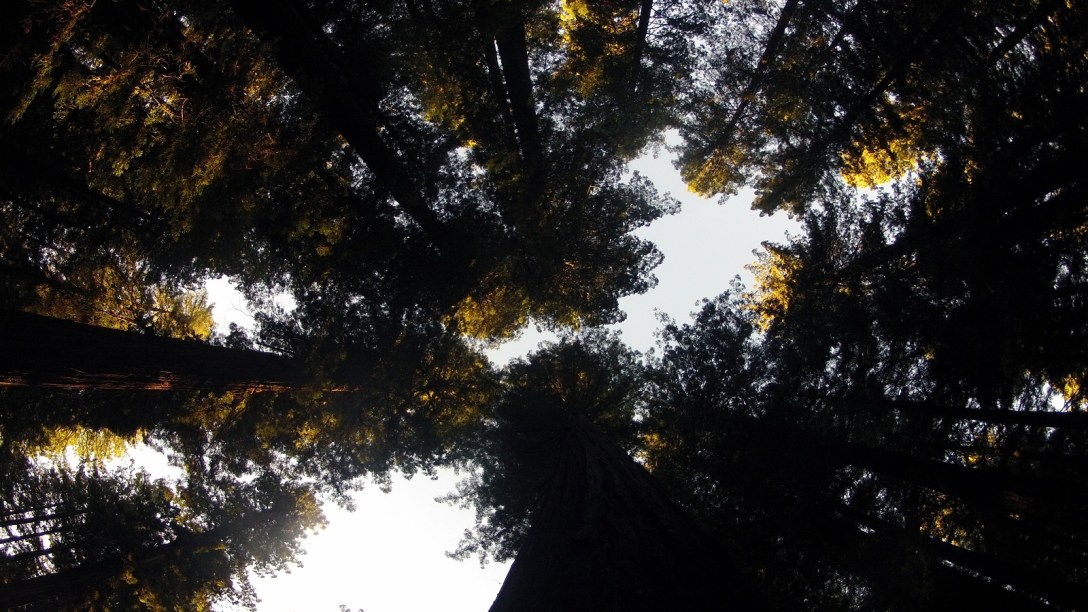
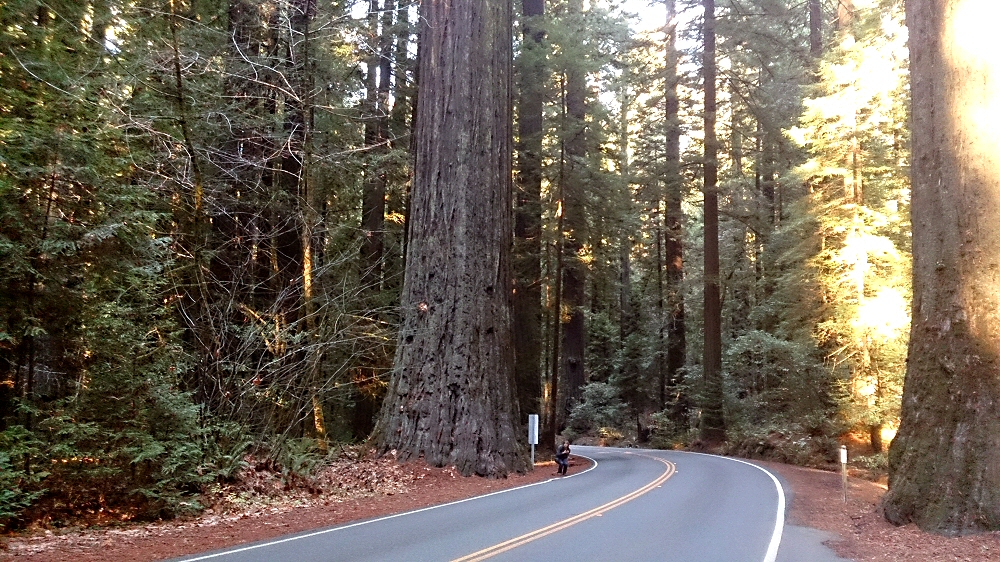
After an obligatory tourist stop at the drive-through tree (which we couldn’t, as the van is too tall), we got back onto the busier 101 to make our way up towards Eureka. There had been hardly any other cars on route 1, and it felt like we’d been in a different world, even if only for a few hours. Not far down the highway we saw a tempting sign for “Avenue of The Giants” which took us off on a quiet side road for 32 miles through Humboldt Redwoods State park … and here we found the most incredible trees I have ever seen. They are HUGE. Photos just don’t do them any justice.
Avenue Of The Giants – spot Rose!
We drove gently through here in the late afternoon light, and then motored on to find a camp site for the night just south of Orick. Next day was a 5-mile hike over the hills through Prairie Creek Redwoods State Park to the coast and Fern Canyon. Being amongst the trees on foot for hours on end was truly mesmerising.
Old, old woods
We found a sweet camp site on the coast, and headed back inland to pick up the van and drive around to a spot called Gold Bluffs campground just as the sun was going down and the evening chill was setting in. It’s definitely the middle of winter. Got a fire going, met a lass that had driven 7 hours down from Bend in Orgeon to meet her bloke who was driving 7 hours up from San Francisco for the weekend, had some beers, bread and crisps for supper, then to bed.
Gold Bluff Beach camp ground – where the Redwoods meet the Pacific
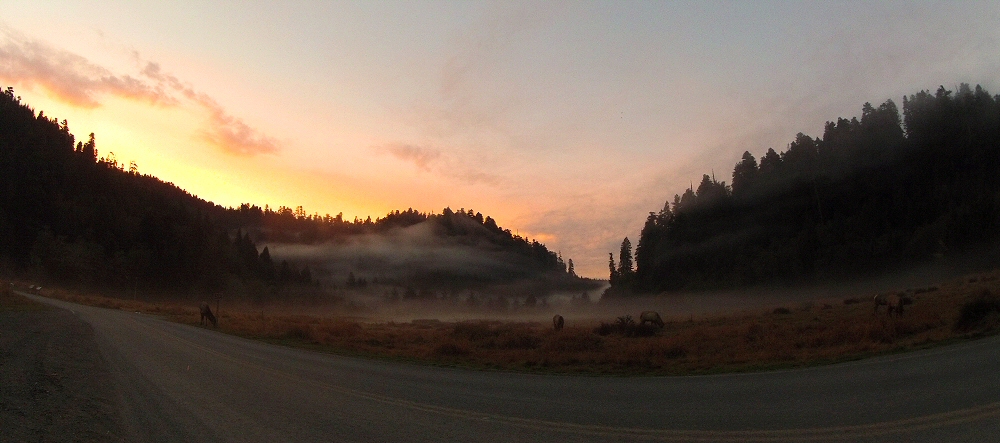
An early dawn start the next morning, through a magical clearing in the trees with Elk grazing peacefully in the morning mist … and then the long drive home to spend the afternoon working on the van to get all the plywood cut up and a bed put in.
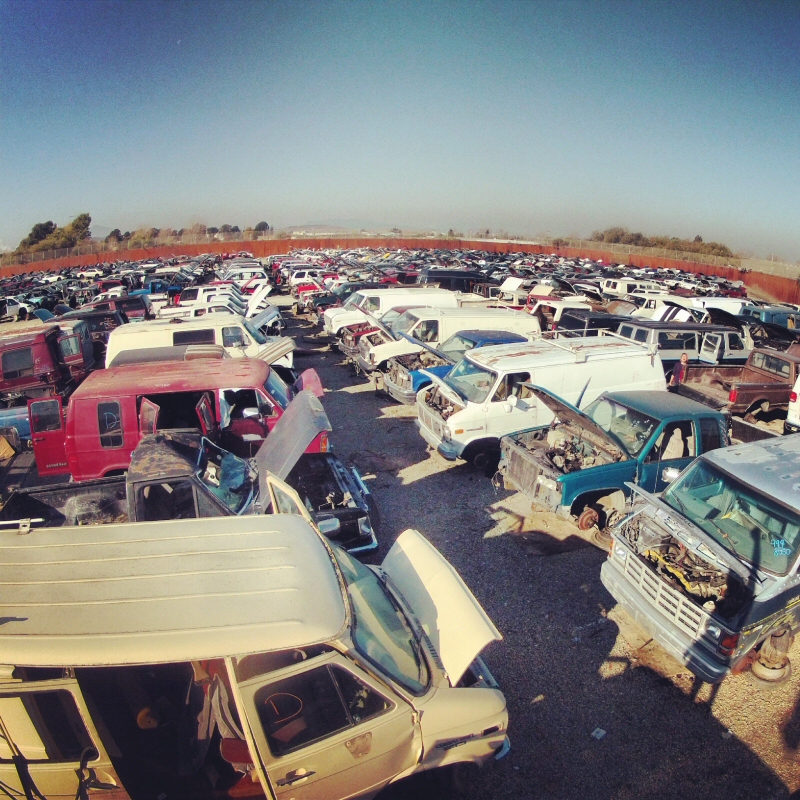
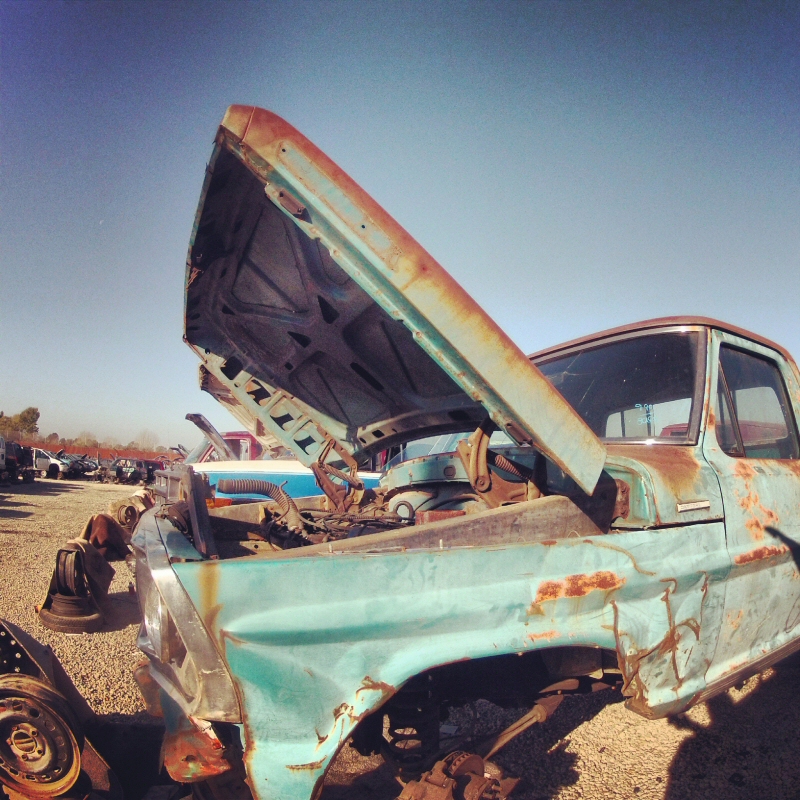
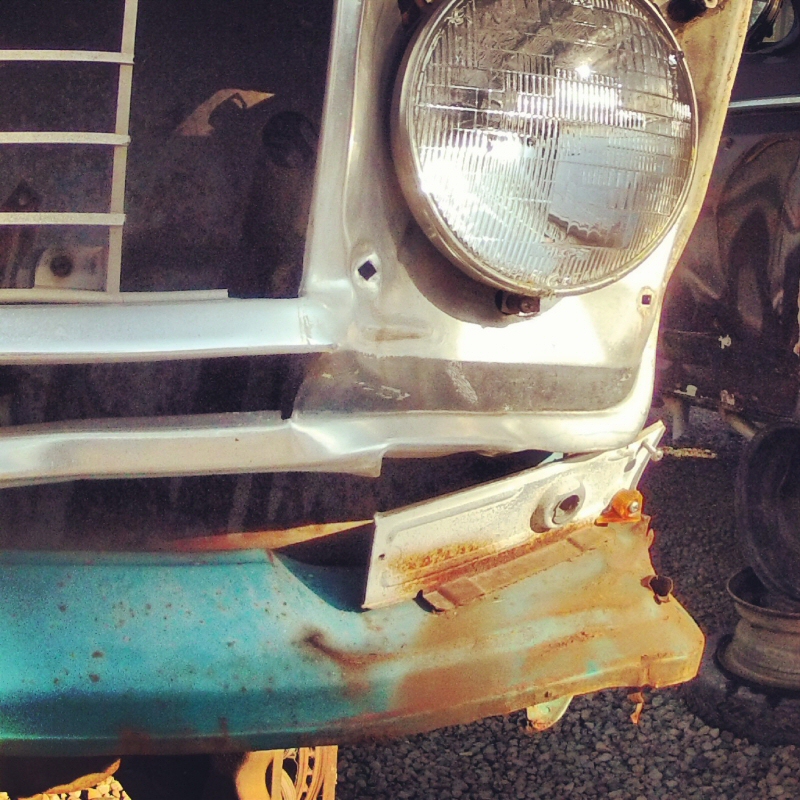
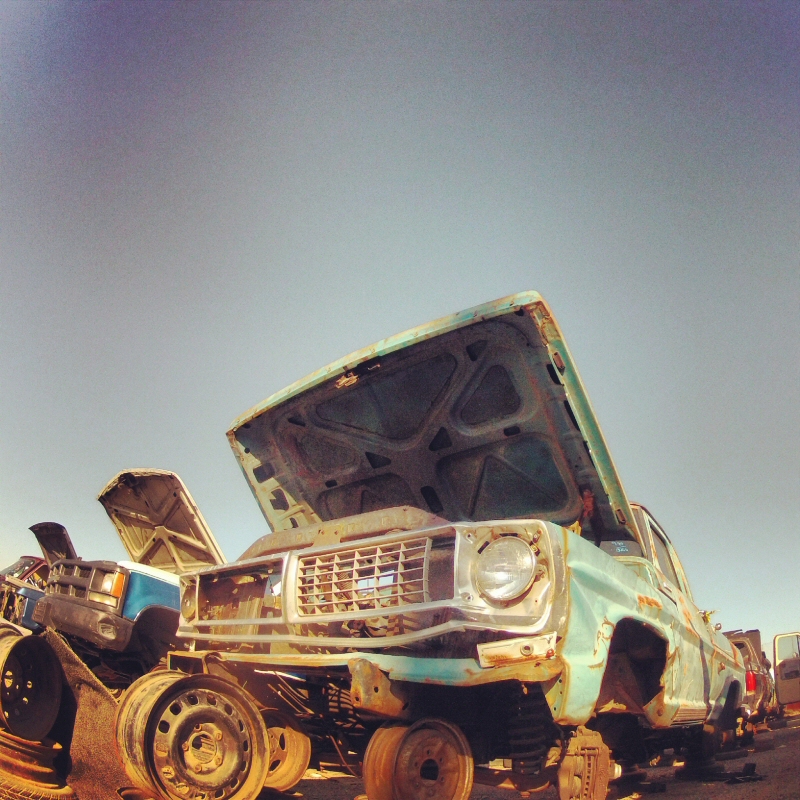
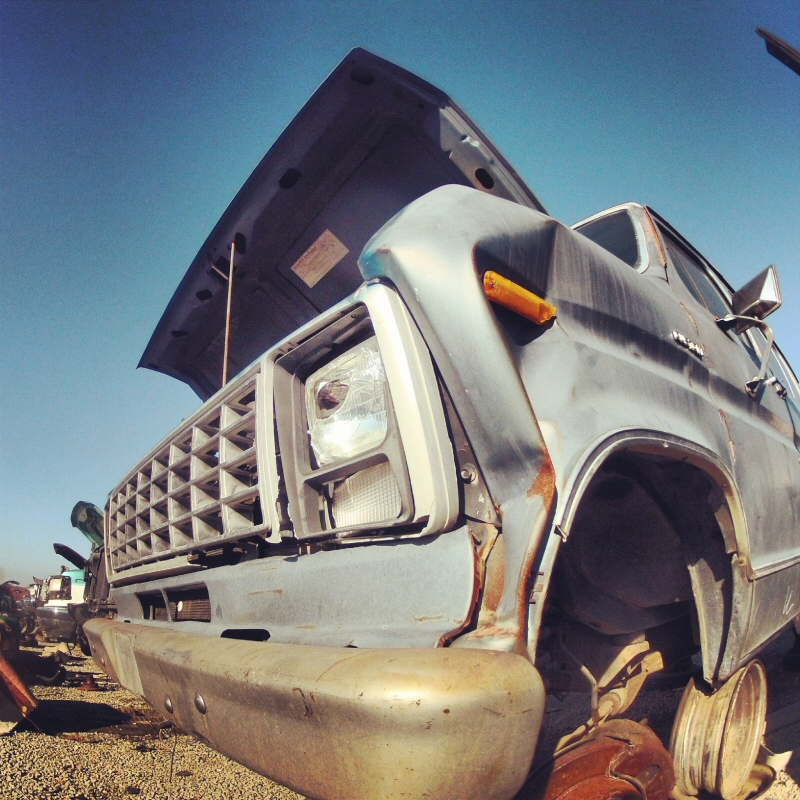
We went over to a place called “Pick n Pull” in Richmond today, to find some seatbelts for the rear bench seat in the van. A crazy place; hundreds of old wrecked cars and vans lined up, stood on upturned tyre-less wheels, awaiting scavengers like us to come along and tear off any good looking parts, like vultures on a kill.
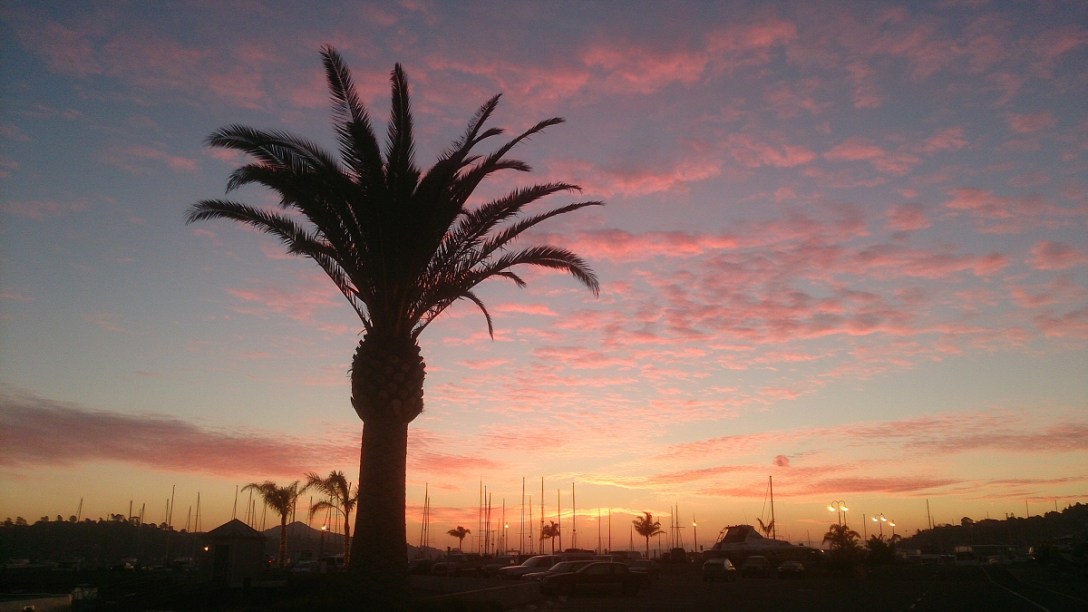
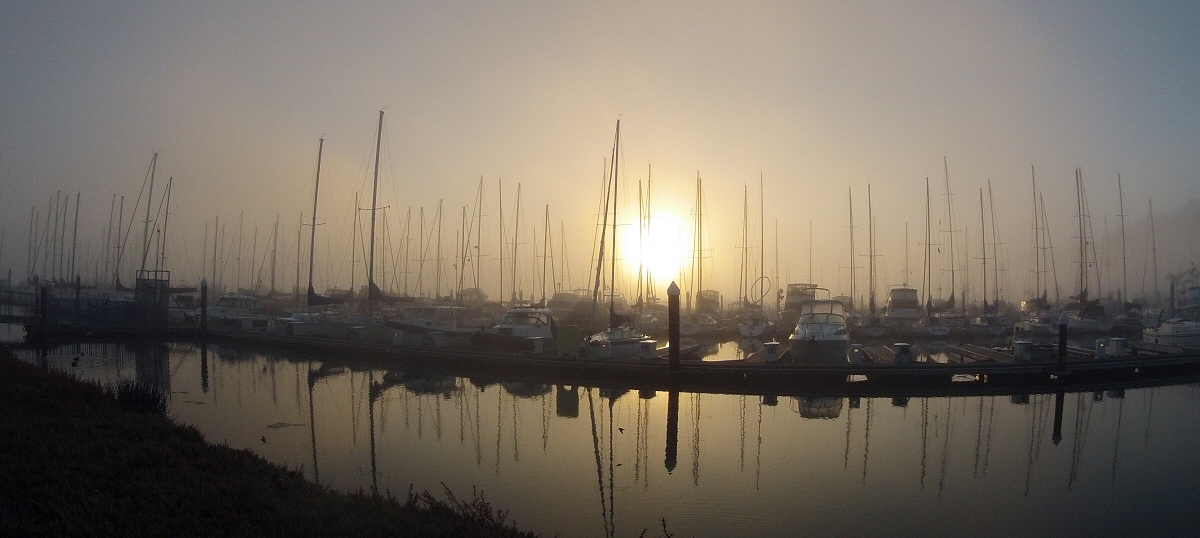
The working day starts earlier here, with most of the rest of the world being east of us, we’ve only got a limited time during the day when the UK and US offices are both working. At the moment, the sun gets up around 7am so I get to catch the dawn each day as I head into work. It’s the best greeting you can get each morning.








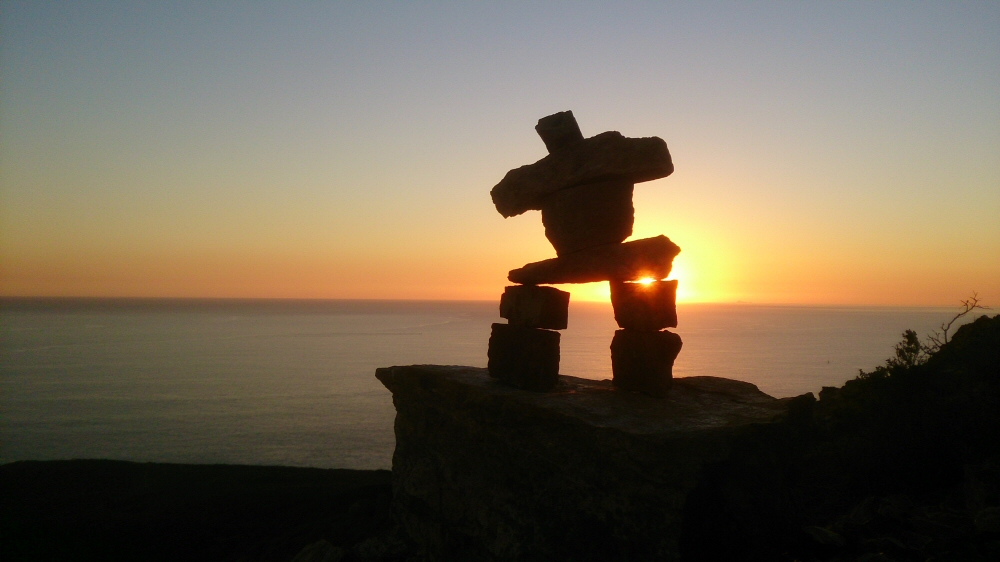


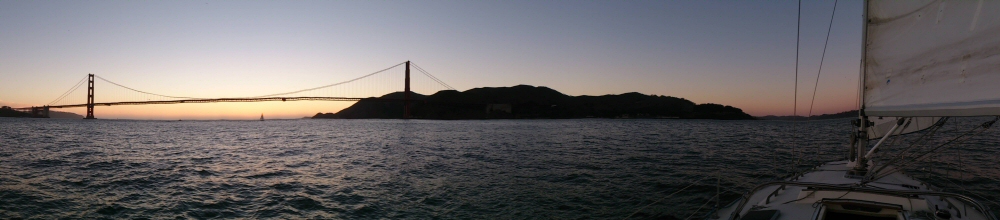

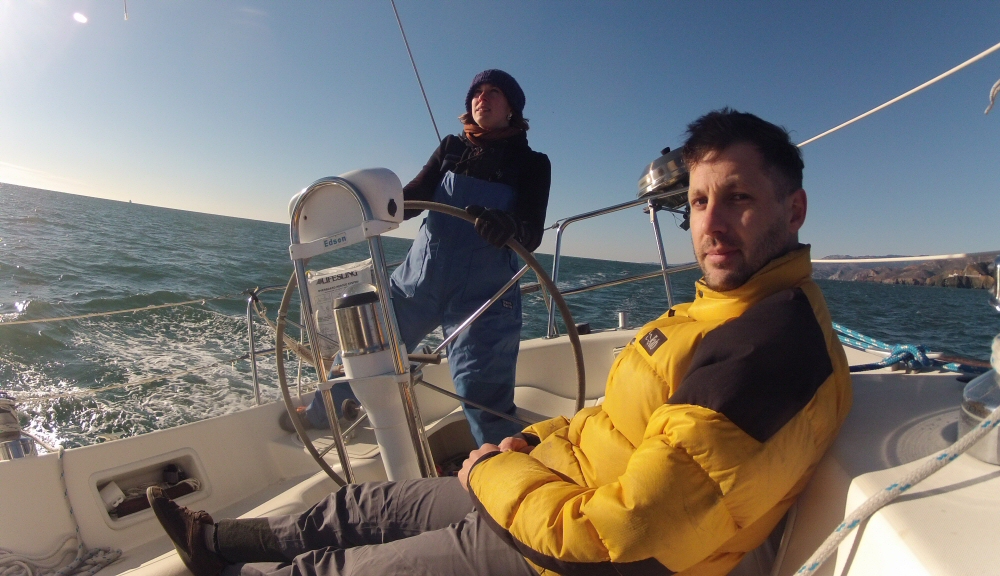
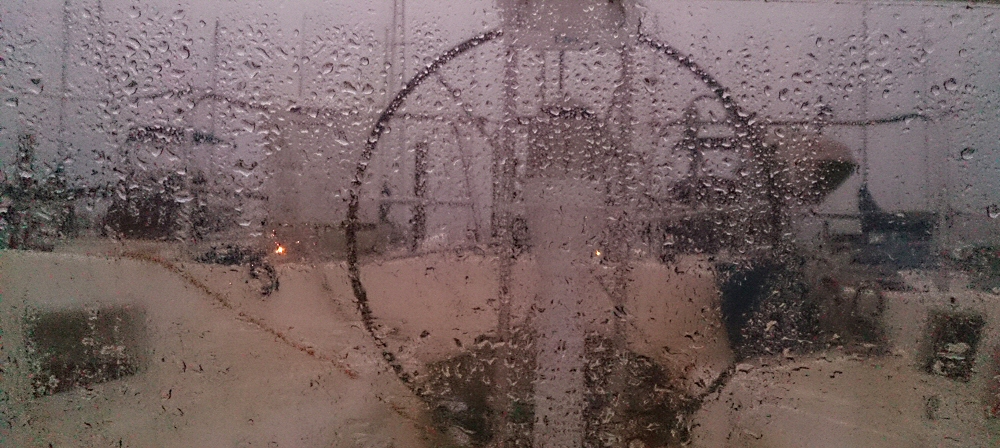


 Road and Ocean