Thibaud arrived on Sunday night and we all had a tasty meal out – getting to know eachother and making the most of the shore while we were still able to.
Monday morning we climbed up the local hill – Muttonbird Island – to see what the harbour entrance looked like. We were planning to leave on the back of a low pressure system and ride the favourable winds most of the way to New Caledonia, but that meant that the first day or two of passage would have waves and swell left over from the low’s passing. The swell coming into the harbour that morning was almost breaking across the entrance, with some of the larger waves looking quite threatening. It was low tide, and the swell was forecast to drop so we left it a few hours (a higher tide means more water over the ground and the waves are more mellow).
After lunch a second visit to the top of the hill gave the green light and we were off! We filled the boats with water and fuel and hoisted the sails in the outer harbour.
Santana led the charge out through the heads, just as a huge set wave came through. Up, up, up she went and I distinctly remember seeing the whole of her deck as she lunged towards the sky. The wave didn’t break, but as she came crashing down the other side she lost the life ring. We weren’t far behind over the same wave- which had mellowed out a little when it got to us – but Tilly was still fully lifted off her mattress in the forward berth as the bow dropped off the back of the wave! After that, we were out. Two reefs in the main and sailing at nearly 7 knots, bound for a new land.
The first couple of days at sea were pretty standard for an offshore passage with reasonable weather; varying from light winds where we motored to keep up the average speed, to 20 knots which is perfect sailing wind. We had the spinnaker up a couple of times, kept up with Santana (just) to make a rendezvous on Wednesday (day 3).
Next day brought squally weather which is never nice; rain and gusts of wind with each squall means you need to either just keep small sails up and drift through the calms, or keep changing sails up and down with the wind. We worked the boat hard, trying to keep our speed up; both so that we could keep up with Santana, and so that the overall passage time was sensible. The difference between 3 knots and 4 knots is a full 25%, which over a 1000 mile distance can add a couple of days.
On one day we spotted a mini twister coming down from the clouds; sure we could see disturbed water at the bottom. Kept an eye on it. It dispersed by itself – the speed at which the cloud formations changed was surprising.T
Thursday 14th evening’s log entry shows “storm cells passed over, skies clearing”; it was an uneventful night, but with waves and swell from all over the place – not particularly comfortable… but even so Rose manages to crack out another amazing “at sea” evening meal.
After a good day of sailing on Friday, with the wind building through the afternoon to a brisk force 7/8, the autopilot started to misbehave at dusk; never a good time of day for anything to fail. With light fading quickly I tried a few options; topping up the hydraulic fluid, going onto the other tack briefly to try and bleed air, but no joy. The system managed to steer in one direction but not the other, and with the constant port/starboard adjustments that it always does at sea, we ended up just veering off in one direction. Not good. Instead of doing more ‘engineering’ and risking losing steering altogether (even hand steering with the wheel), I decided that our best option was to hand steer until we could get a good look at the system. Either a flat calm day, or in the next port. As it turned out, flat calm wasn’t on the cards…
The wind remained strong through Sunday, Monday and into Tuesday. The log is empty, apart from a few very brief notes to mention, of all things, “Tilly enjoying eating shredded wheat” and “first sighting of flying fish”. Thibaud and I shared the steering, 24 hours a day. The wheel couldn’t be left alone for more than a few seconds before the boat headed off course, which meant that sail changes and sail trimming was pretty much impossible while on solo watch. If we weren’t driving, we were eating or sleeping. With large waves and a lot of wind, it needed all our attention while at the wheel, so Thibaud and I got pretty tired. At one point during a 50 knot gust I though we were going to lose the solar panels (which I’d not quite finished bolting down in Coffs).
Eventually, on Tuesday morning (day 8), the wind calmed down. Land Ahoy! The island of New Caledonia appeared at daybreak, but soon disappeared with the rain which came in soon after. With the wind dropping off to pretty much nothing, coming directly from where we wanted to do, we ended up motoring the last few hours, through Dumbea pass into the fringing lagoon, and on another couple of hours to arrive at the Port Moselle marina at 3.30pm.
In the pouring rain (turning out to be typical Songline arrival weather), we dropped the sails, made our way to the dock, and rested.
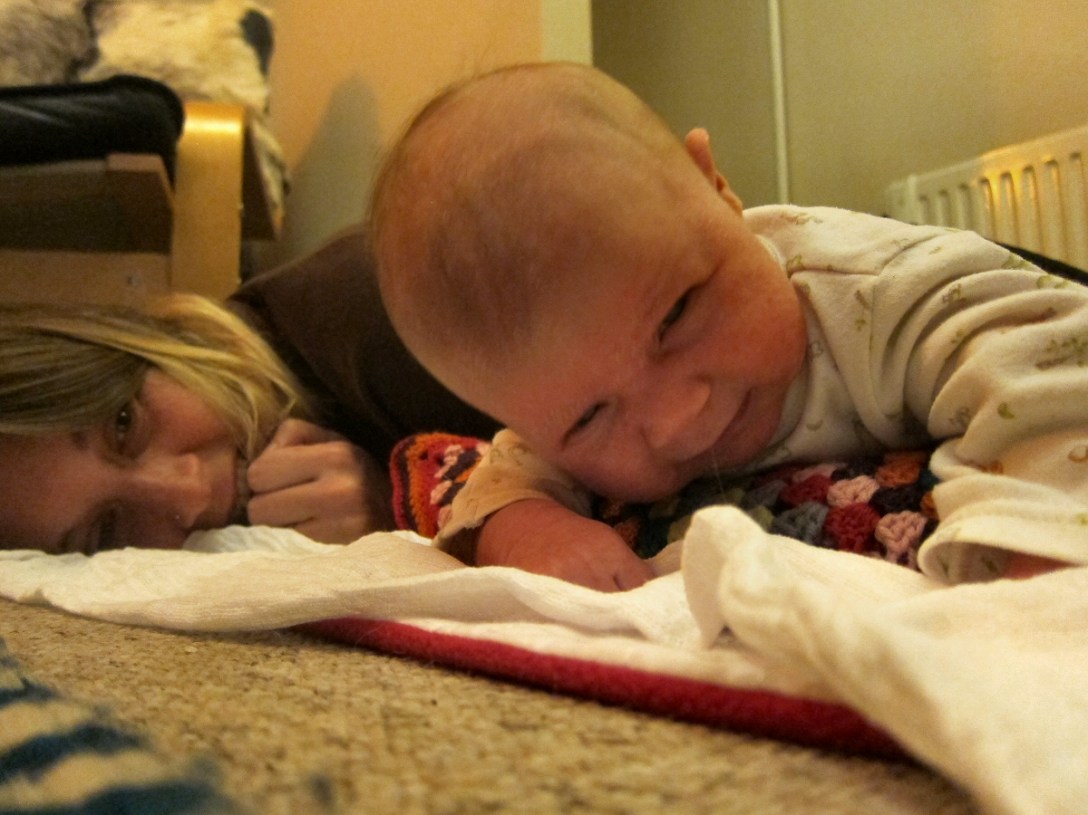
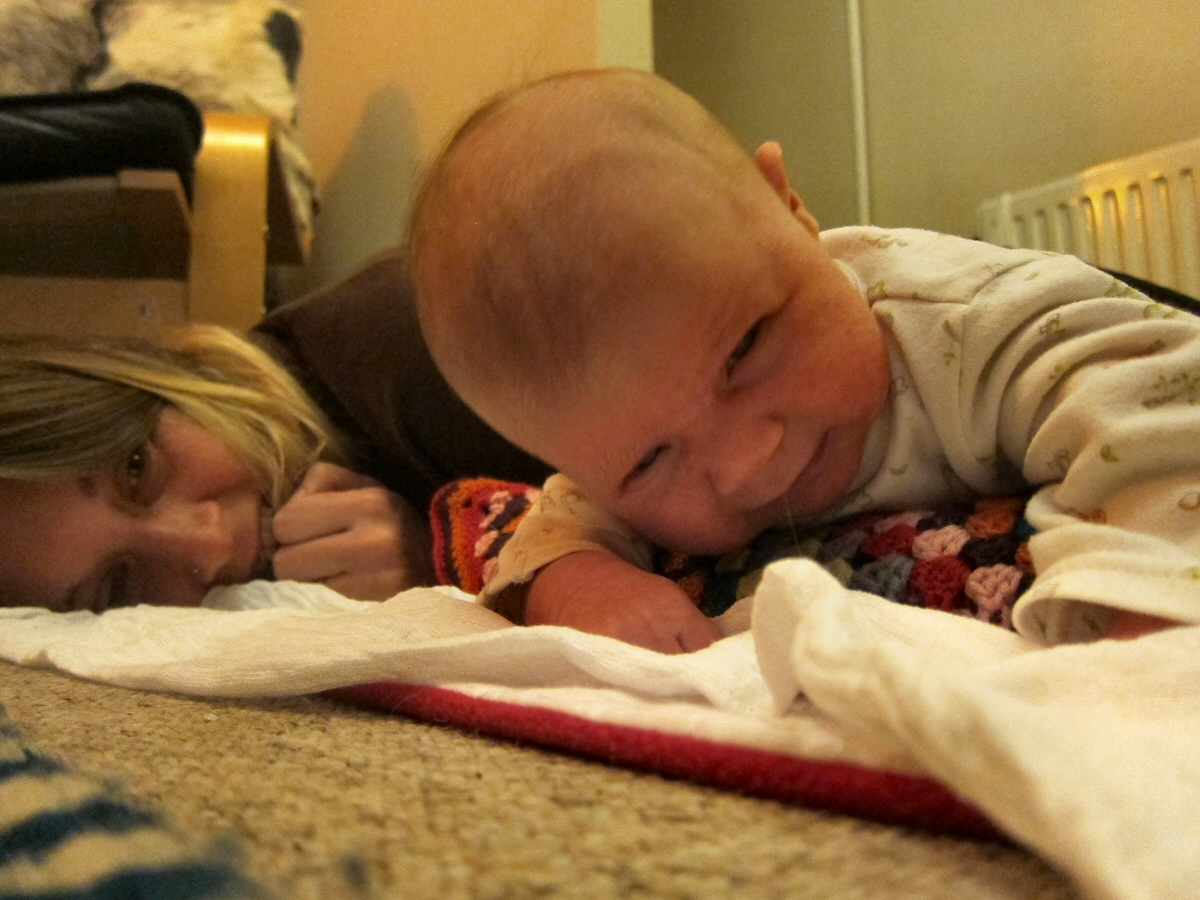
Everyone had done brilliantly; Thibaud progressed from an offshore novice to an experienced watch keeper and helmsman, always learning and thinking two steps ahead of each situation. After we lost the autopilot and the dynamics of watch keeping changed considerably, Rose did an amazing job of keeping us all fed; even with the boat pitching and rolling in gale conditions we had tasty, hot food. Tilly took everything in her stride, relaxing, sleeping, listening to lots of stories, and even joining the odd night watch. For the few times the sun came out, we all enjoyed time out in the cockpit together, watching the ocean, chatting, laughing and lifting our spirits.
Songline was fantastic; a strong, safe ocean boat, and apart from the one mechanical problem – albeit a significant one – nothing else major broke or failed.

 Road and Ocean