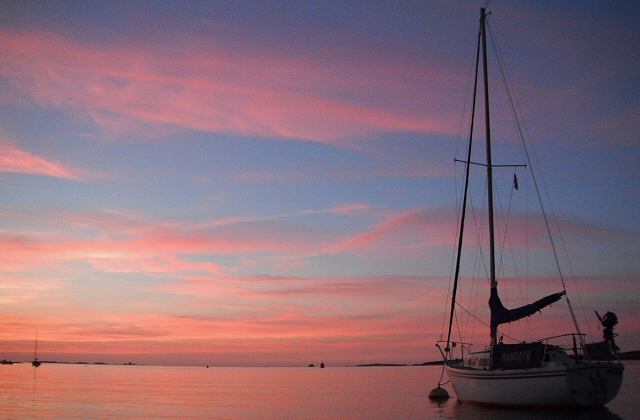
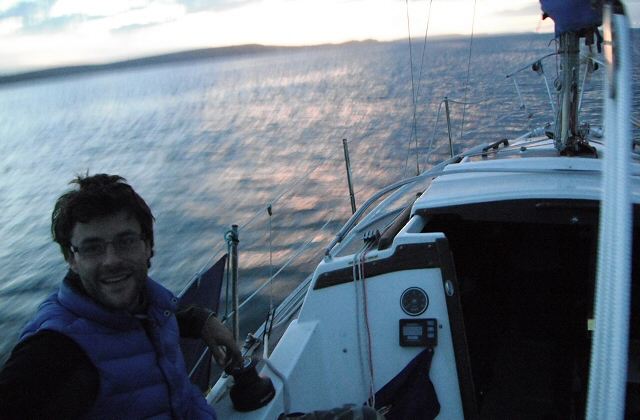
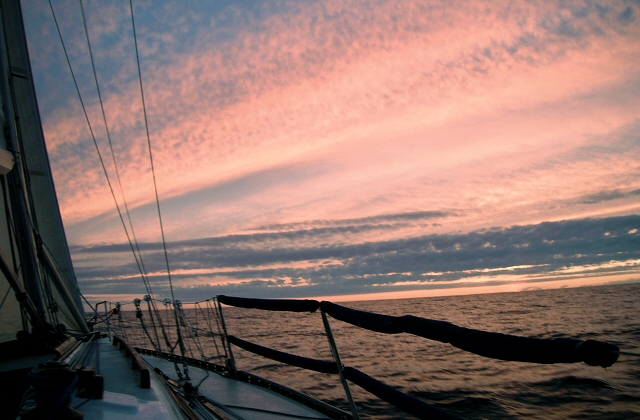
Enjoying an amazing sunset in Brittany following a crossing over the channel from Plymouth with Ant in Rancote. We took 30 hours to sail 100 miles, with some motoring when the wind got light. It was incredibly warm, and as you can see completely still. Very peaceful.
A shot of the river Yealm near Plymouth. It’s about an hour’s sail away from our berth, around the island of x. It’s a tight squeeze between the end of the sandbar and the land when you’re coming in. I wouldn’t fancy doing it during an onshore swell. Had some good times here.
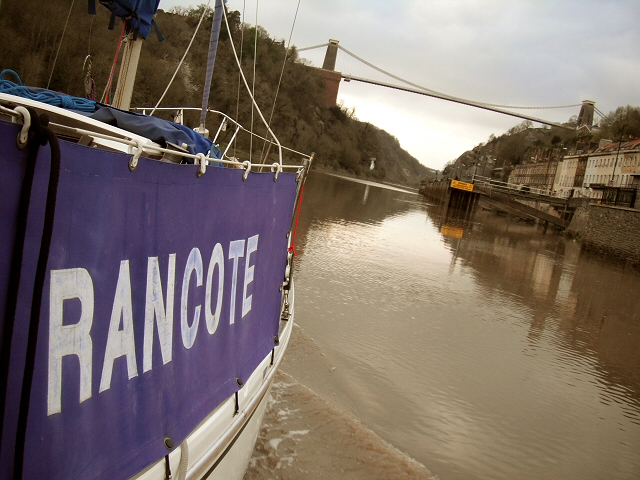
Looking back towards Bristol suspension bridge as we motor down the river Avon towards Portishead. And and I will be staying onboard overnight in Portishead where Dan and Mel will join us at the crack of dawn to start the trip around to Plymouth where we’re going to be based for the summer. Weather forecast is looking good 🙂
November was late in the season to be bringing a small boat around from Plymouth to Bristol. But it was the first opportunity that we’d had when a weather window, crew availability and spare time all came into line. We figured that 4 days would be enough time. Plymouth to Bristol, around Land’s End, is about 250 miles – and would be our longest passage yet in Rancote.
As we passed the Lizzard, heading west, I thought it would be sensible to give the batteries a top-up before the night ahead, which would mean that we would need to run the engine for half an hour or so. Mel popped down below to fire her up, but after a good bit of cranking, it was clear that the old donkey wasn’t in the mood for play. Hmmn. Not ideal. We didn’t technically need full ship batteries; one of our GPS units runs off it’s own batteries and we could leave everything else off to save power for the radio in case of an emergency. We’ve got some battery powered navigation lights so that other boats can see us in the dark, but I wouldn’t want to trust these in anything but dead calm – especially as they would need to be mounted at deck level, which in any swell at all would be pretty much invisible.
After a brief pow-wow amongst the crew we decided that we did need to get the engine running so that we could press on, safe in the knowledge that we had bright shining nav lights on at the masthead, where they should be. We had most the passage still ahead of us, and the north coast of Devon has almost nowhere to stop in. It would be a case of turning back to Plymouth (probably for the rest of the year) if we couldn’t get the engine going.
After following the fuel line, checking the filters and chasing voltage along the glow plug circuits, it was clear that the fault was with lack of plug heating. A bit of cleaning of the connections, and we were back in action! The following day we were to be very thankful we’d got the engine running again.
Rounding Lands End at dusk, we turned the corner and headed north. At about 2 in the morning it was blowing a hoolie! We don’t have a wind meter aboard, but from the sound in the rigging it was probably force 6 or 7. Under double reef and scrap of heads’l we were struggling to make any ground to windward – the damn wind was coming from exactly where we wanted to go. Suddenly there was a BANG. It took us a moment to figure out what it was. The second reef line attachment point on the boom had decided its time had come, and launched itself overboard – the sail was now just hanging on with the boom ties. Dan quickly sorted this out, whilst little Rancote pitched all over the place in the darkness. Onwards!
At some point during the night, there was a radio call from the coastguard on Ch16. “Reports received of a green light off north Cornwall. Has any boat in the vicinity see a green light?”. We dutifully radioed back. “That’s us!”. There was nobody else out here on a dark and windy night in November. We had to look after ourselves.
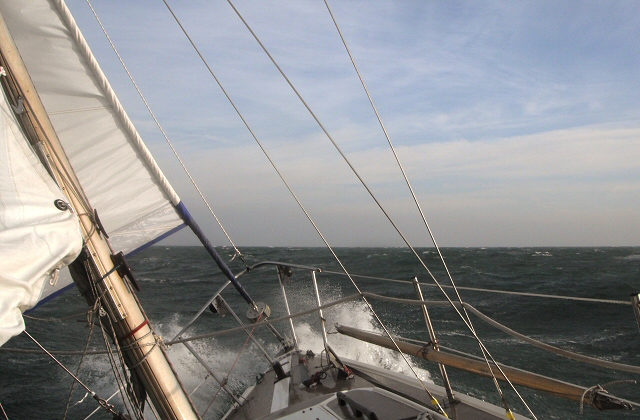
The dawn light brought with it a bleak panorama. Wind was still well over force 6 and the larger waves were starting to break. We were still heading north, pitifully slowly, by now off the western end of the north Devon coast. The wind was now firmly from the east. The east, dammit. Bristol is east. We want to go to Bristol. Much as we like challenges, none of us fancied two more days of pounding into the wind and waves to try and make our way upwind, so we decided to bail for Swansea, which was north across the Bristol channel. Even that course was hard to steer in this wind – the hankie of genoa was not doing much to help us, so it was time to get the engine running.
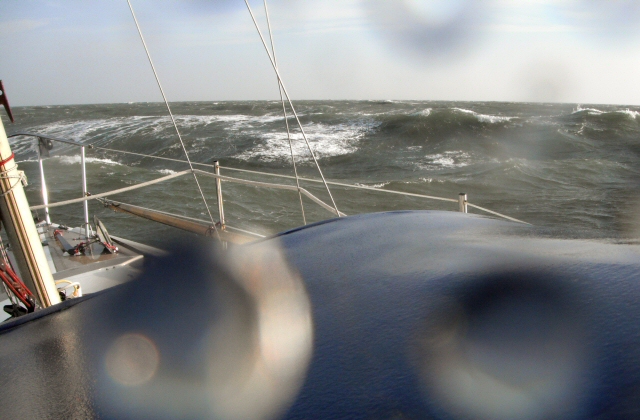
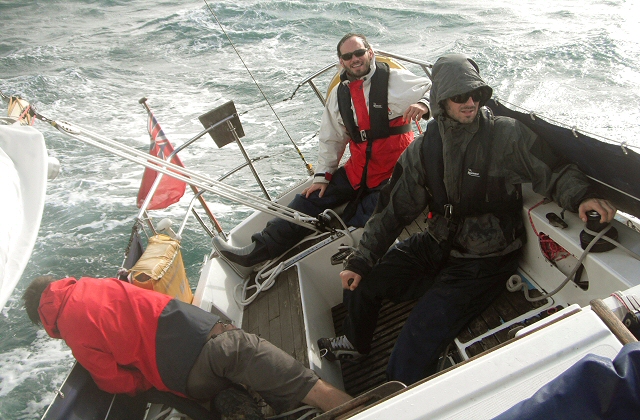
We pressed on, into the elements and made our way gradually across towards Swansea. The Bristol channel has ferocious tides, which when combined with a strong wind whips the sea up into a mad mess of short, steep, breaking chop. Ugh. At least it was sunny. Mel did an incredible job of helming through and around the worst of the sea, and little Rancote was holding up brilliantly.
Frisky seas out in the Bristol channelPart furled genoa being a bit pathetic
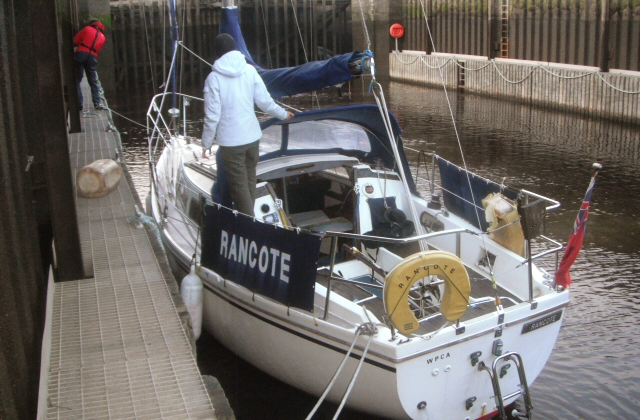
Finally we made it into Swansea bay, where the chop died down along with the wind. We motored into the lock, tired and happy to have reached a safe haven before night fell. Ah well, this time we didn’t quite make it all the way in one shot. We’ll have to make the final passage over to Portishead later.
Swansea lock at last
Crew: Chris, Dan, Mel
From: Plymouth, England
To: Swansea, Wales
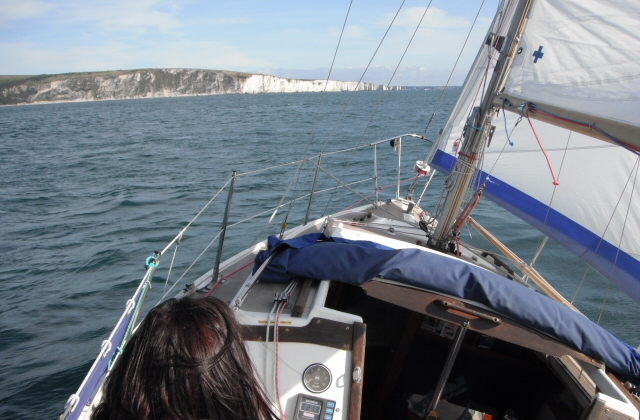
Rose, Ant and I left early on Saturday morning for a weekend trip around to Poole. We’d not been further east than Lulworth cove, and wondered what lay beyond the headland. Well, actually we did know – it’s Swanage and Poole – but it always feels more of an adventure when you’re approaching somewhere new from the sea.
Every headland has it’s own characteristics and Things To Watch Out For, especially around this part of the south coast where the tides can add some extra spice. We left early to make use of the eastbound spring tide, and as it was calm we felt it OK to cut it close around St Albans head, which can have a treacherous tidal race when there’s wind against tide. As we approached the headland, we saw a line of breakers on the horizon … had we misjudged? Perhaps we were a little too close? Not much we could do now …
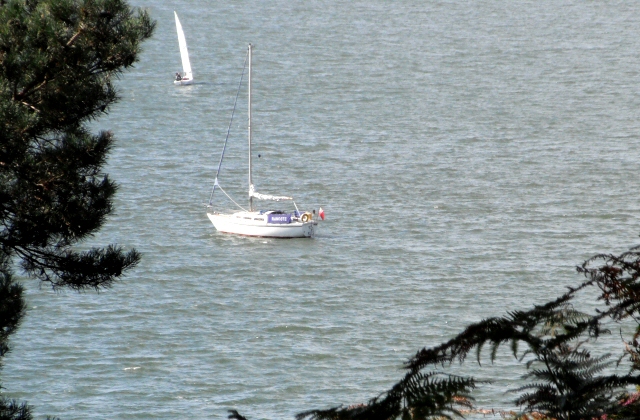
We powered through the short, steep waves without any trouble at all, though I’d not like to be here in rougher conditions. Once in Poole harbour, we motored around to the back of Brownsea island, dropped the hook and took the dinghy ashore.
Approaching St. Albans head at dawnApproaching PooleAt anchor off Brownsea Island
There are no cars on the island, and not much accommodation, which means that most people have to catch the last ferry back to the mainland at about 5pm. This left us with the whole island to ourselves, with plenty of day left. It was beautifully peaceful watching the birds and local red squirrel population going about their evening chores; finding grubs for their chicks and burying nuts respectively.
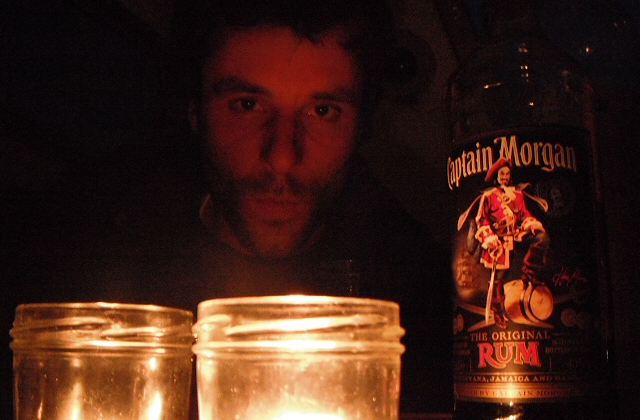
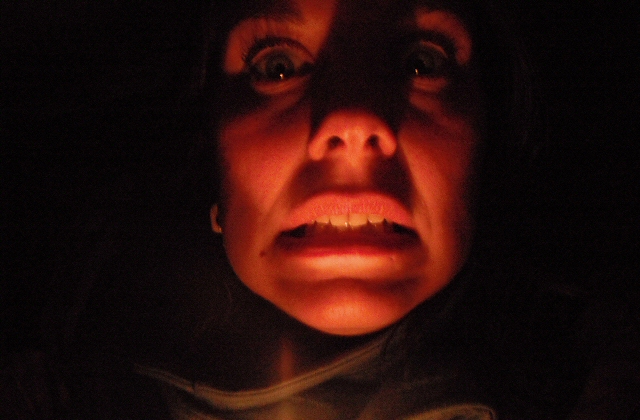
Cap’n Morgan … Arrgh!The Spectre
Experienced provisioners as we are, there was plenty of rum aboard, which led to a cheery night aboard! Next day we upped anchor, motored our way gently around the rest of the island and back out to sea. After a short sail, we were back in Weymouth. Another great weekend.
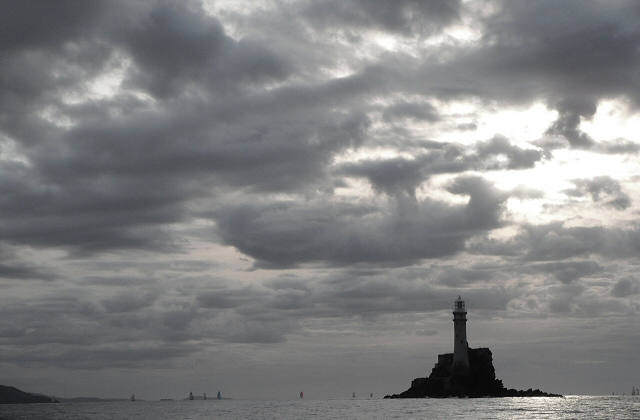
Rounding the Fastnet rock at about 0700 hrs after a very slow night without much wind. We’d come straight across the Irish Sea with a few other boats (ie taking the southern route) and most of the rest of the fleet had gone north. As the night turned into day we could pick out more and more sails coming over the horizon. Having been separated by miles and miles and miles of ocean for a couple of days, everyone was coming together to round the rock and then head back to Land’s End and then Plymouth.
Just 36 hours before us, the 100ft maxi yacht “Rambler” lost her keel just here. It’s amazing how quickly conditions can change.



 Road and Ocean