Thunder Bay

Back on the road! Over the last week we’ve been based in Thunder Bay, staying with Gerry and Julie (and kids) friends of Oli and Kate, who came over from Ottawa with their two young ‘uns. Being in company with lots of people and 4 kids under 5 has been a big change from just the two of us, but it’s been a great time.

Thunder Bay

We drove up through Duluth in Minnesota, where we spent a night at a campground in town, and then caught up with the rest of the world for a short time at the library the next day. A few hours’ drive north east of Duluth brings us to the border with Canada, where (again!) we get searched, and have to abandon some firewood. I declared the mini pepper spray we got free with the big bear spray we bought a few weeks ago, which was confiscated as it could be a “concealed weapon” – the larger canister supposedly couldn’t be concealed so it’s OK…

In the ten days or so we’ve been in Canada (I’m writing from the road on our way back down to Duluth in the US), Oli and I managed to get an evening of kitesurfing, Kate gave me a long overdue hair cut, we did lots of playing with the kids, the lads went on a canoeing trip, and we all spent a couple of nights camping on the north shore of Lake Superior at Neys Provincial Park.

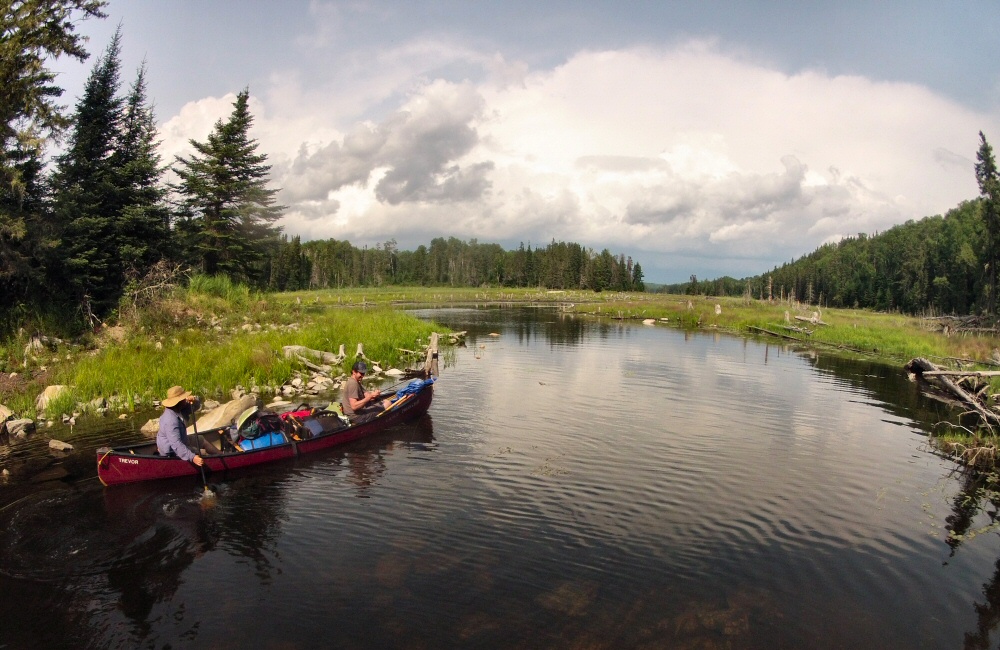
Our 3-day canoeing trip into Quetico park was a good bit of exercise, and a wilderness trip of a different sort from what I’m used to. Gerry and Oli took a regular canoe, which carried most of our kit, and I took one of the kayaks we bought last year. The 30 mile loop involved plenty of paddling and 9 portages – where we carry all the gear and boats overland between lakes, or around sections that are too shallow to float. The portages ranged from just lifting the boats past a small waterfall, to 1km+ hikes through the mud, forest and hordes of mosquitoes. Three days felt too short to really get into the lake country wilderness – we only just skimmed the north end of the park – someday I’d like to do a much longer trip. Gerry used to be a guide further north in Canada, taking groups into the middle of nowhere by float plane, and then spending a week or more paddling, camping, fishing and ending up on the coast at Hudson Bay.
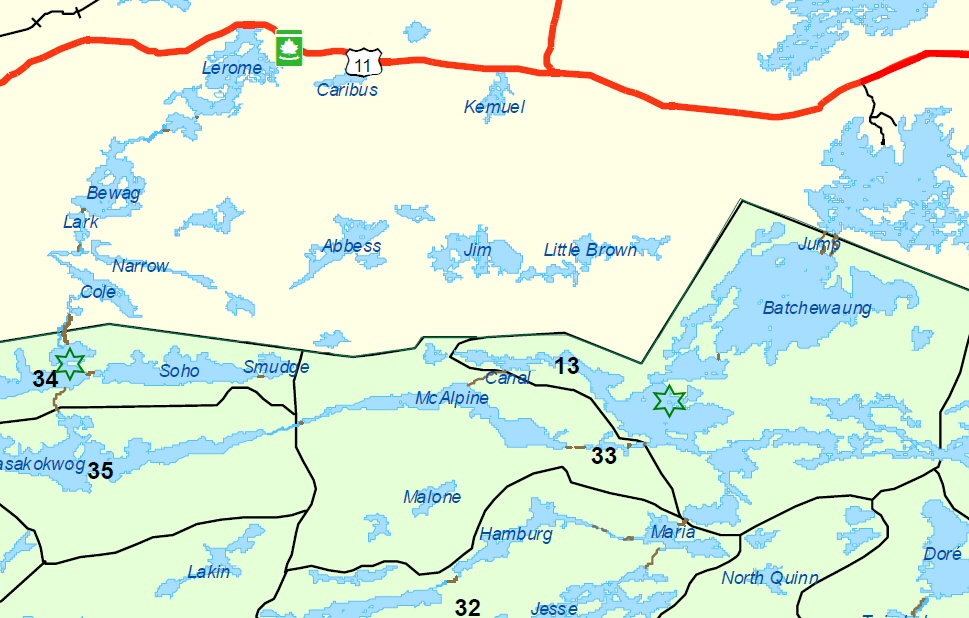
07-29 Canoe route
Lerome to Nym Lake

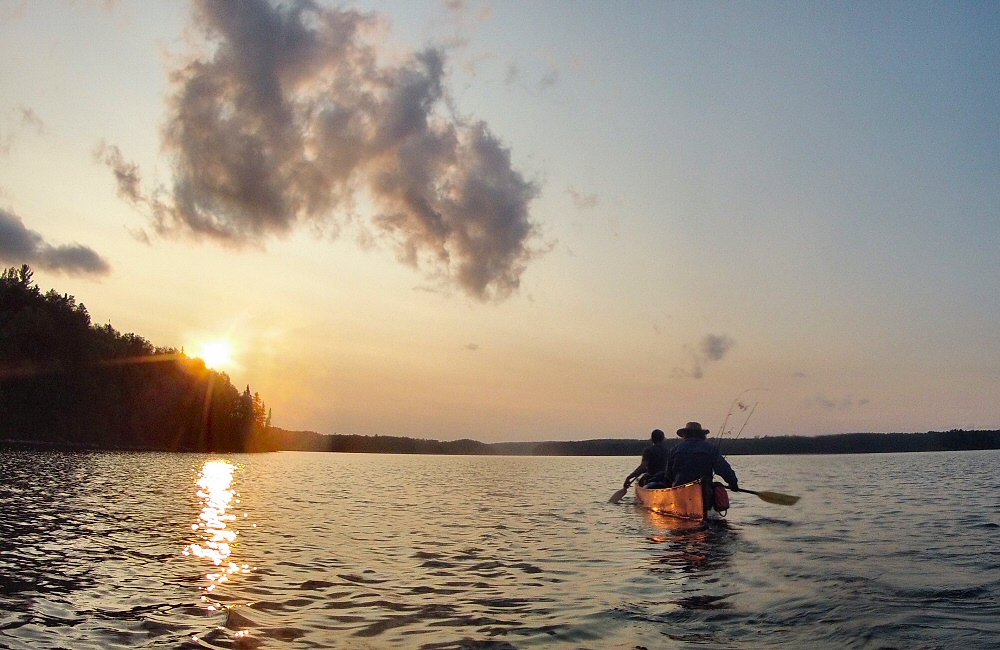
We put in at Lerome lake, just off the Trans Canada Highway, early afternoon on Monday, having picked up fishing and park licences from Atikokan. Then paddled through Bewag, Lark and Cole, with a few small portages, to reach the longer Sue Falls portage. From the bottom of Sue Falls we paddled a short way across Cirrus Lake (not labelled on the map above), to a sweet camp spot – marked with the green star. The breeze kept the bugs away as we cooked up steaks and corn in the setting sun.

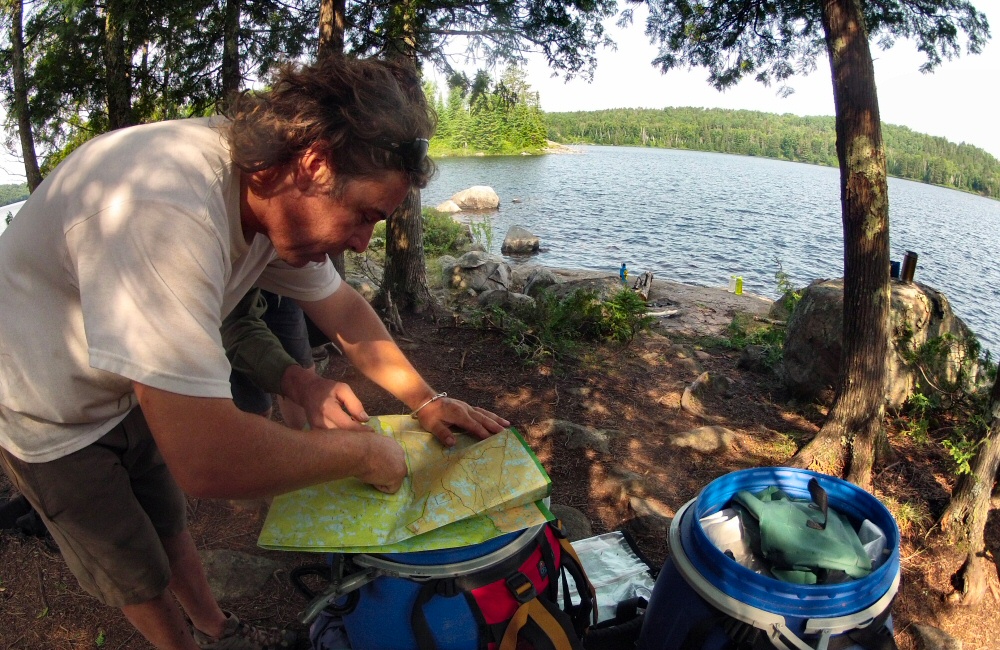
07-28 Sue Falls 07-28 Planning

On day two we continued south over Cirrus Lake to the longest portage of the trip, over the hill to Kaskokwog Lake. Carrying boats and kit through the wet foliage sets the swarms of biting bugs in flight, and if you’ve got both hands full you just have to grit your teeth and watch them suck your blood out as you charge on as fast as possible to the other side. Once in Kaskokwog Lake, we drifted slowly downwind for a couple of hours, fishing and watching the world go by. We all caught pike, which went straight back in the water – not nice to eat.

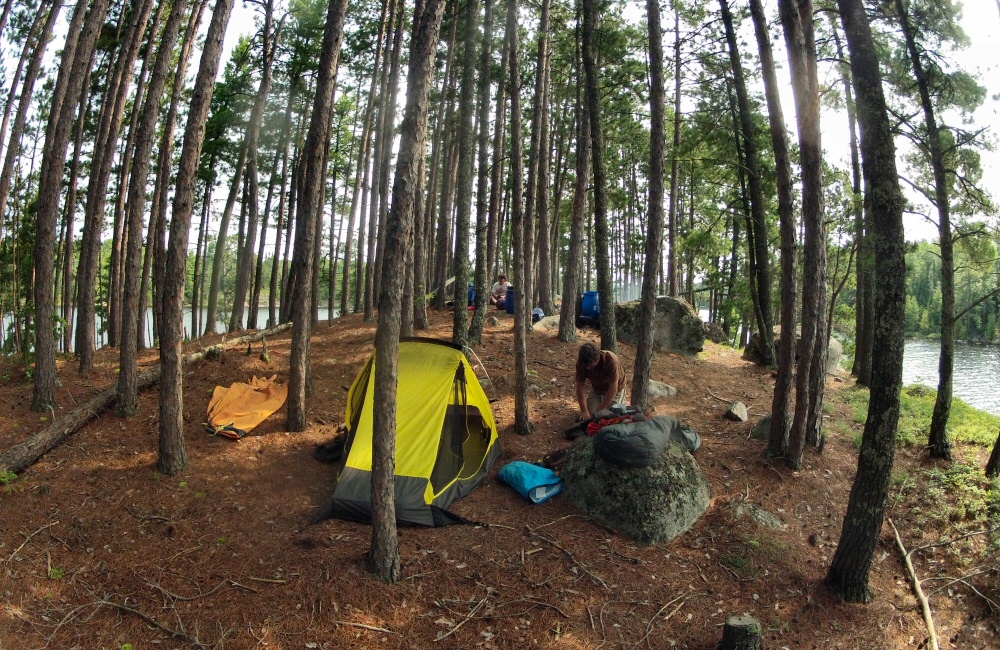
Thunder clouds marched over the sky in the afternoon, and as they approached the wind strengthened and changed to dead ahead, so we pulled into the side of the lake while the storms passed over. Heavy rain fell in front and behind us, but we got away with just a light shower, while Oli read the history of the park to us from the back of a map we’d found on the side of the trail. I hope the previous owners of that map had a spare … this is not a place to get lost! We carried on down McAlpine Lake and squeezed in a couple more portages before the end of the day (marked as “33” on the map). Emerging onto the water at the other end, we could see that all the obvious camp spots were taken, so we paddled around in the dusk, and then decided on a small island with what looked like a clear spot on the summit. Turned out to be a great site, with lots of wild blueberries to enjoy with breakfast.
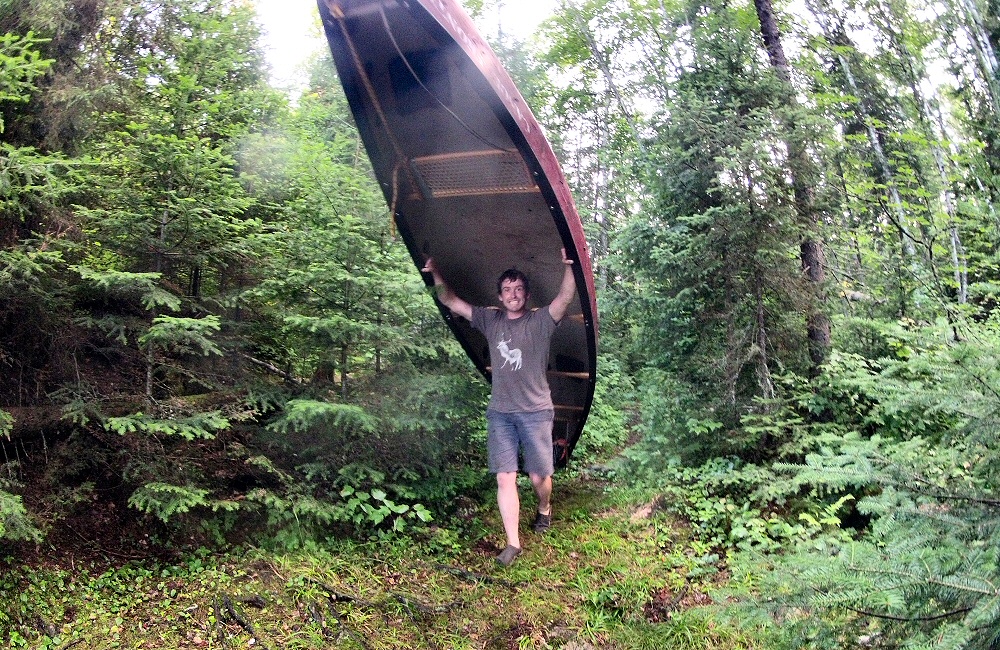
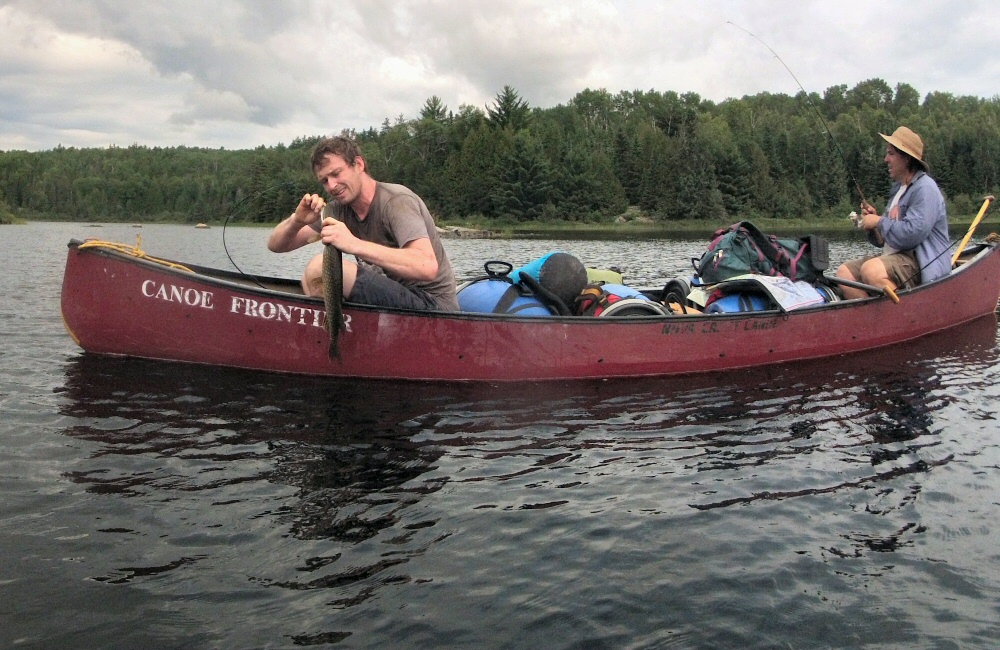
07-29 Portage 07-29 Fishing 07-29 Canoe 07-29 Sunset lake 07-29 Sunset paddling DCIM100GOPRO

The third morning involved a paddle, a short portage onto Batchewaung Lake, and then a longer, but very well trodden, portage onto Nym Lake, and then a paddle into the wind across to the take-out (marked on the map above by the short black road at the very north east of the map). Gerry hitched to get the truck, we packed up and drove the 2 1/2 hours back to Thunder Bay to arrive in time to put the kids to bed.

Camping at Neys gave us a further couple of days all together, though it was chilly and overcast, and last night we had some rain which set off the biting bugs in full force. Fun times with kids and friends, but we gotta get moving again. Should be about five or six days to Denver, back across the prairies.
Across the middle

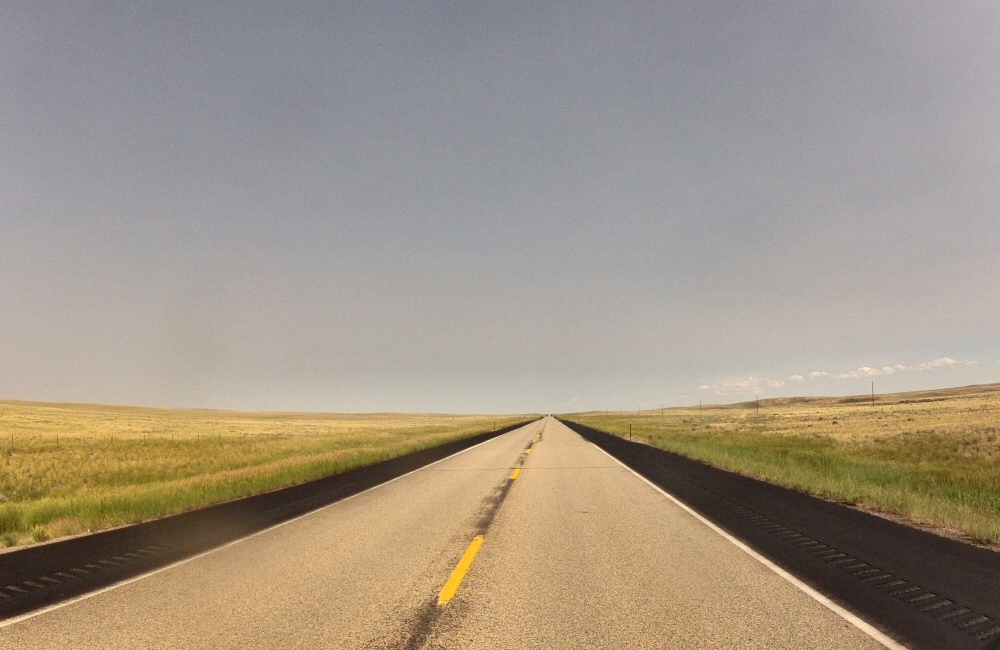
The alarm I’d set to wake me up to see the sun rise over the Tetons did its job, but the mountains were still asleep under a thick blanket of cloud, so I tucked back in for a few more minutes shut-eye. That was almost a week ago! Since leaving the Tetons we’ve crossed half of America, and still have a couple of days to go before Thunder Bay. The Grand Teton Range is on the far western side of Wyoming – the last we see of the Rockies as we head east. The rest of Wyoming, at least the centre section that we drove across, is just empty grassland and ranches.

Prairies Devils Half Acre

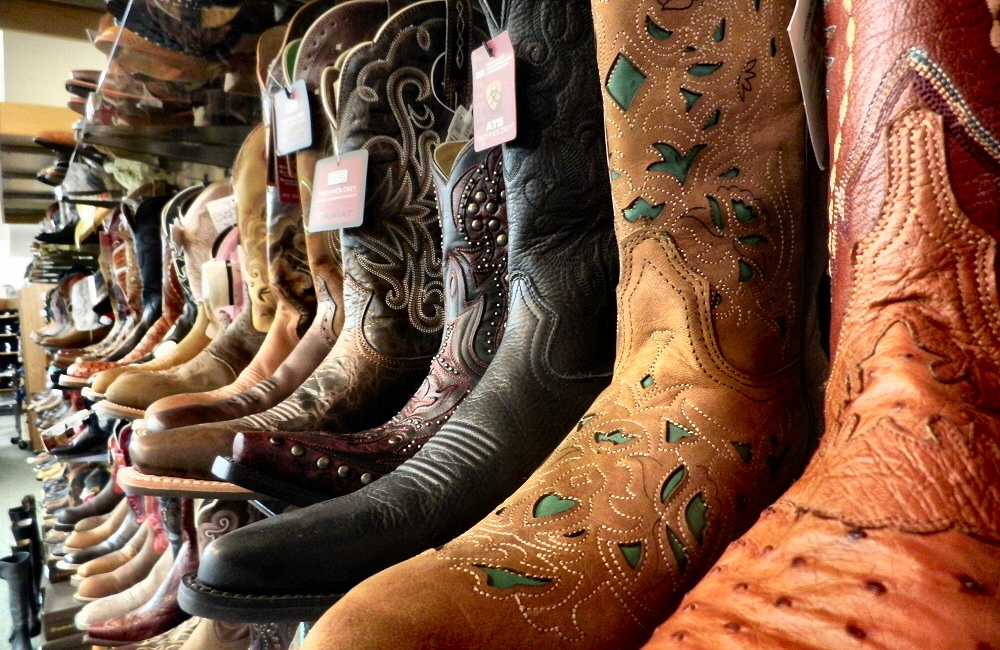
[Friday 18th] We spent the night in Casper, one of the larger towns in the state, so that Rose could go to “the west’s leading ranch outfitters” to buy some cowboy boots. Even though they had the biggest selection we’ve ever seen, nothing had that special feel so we left empty handed.

Custer RV Park Boots

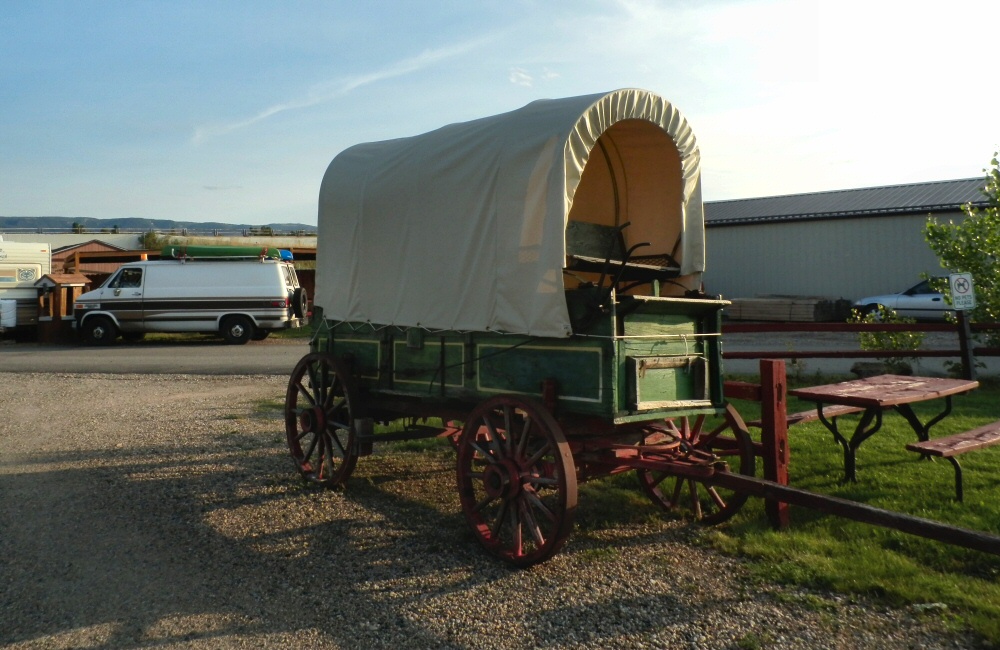
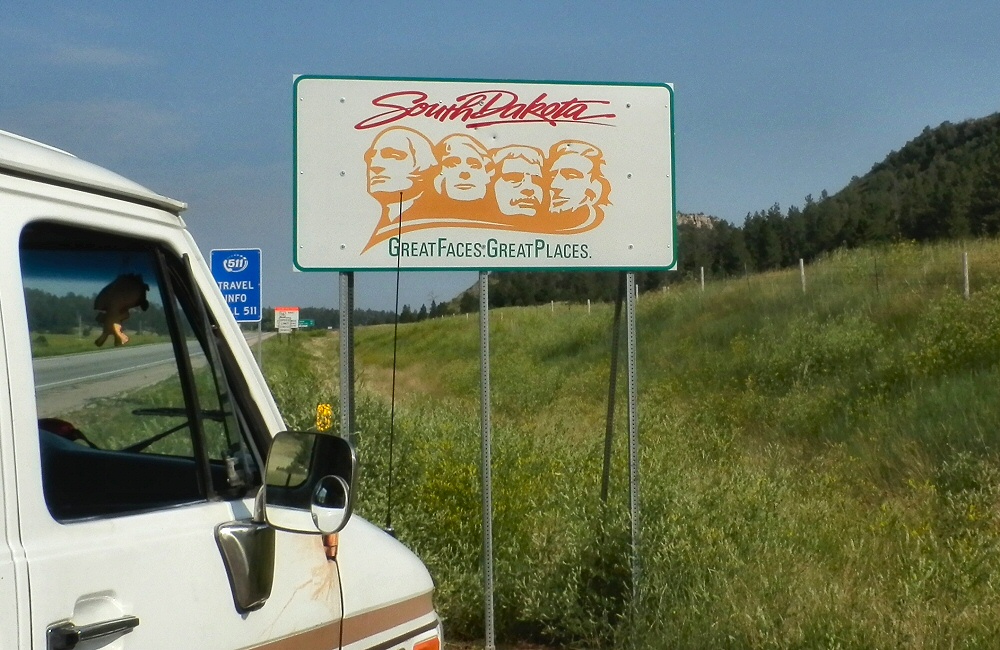
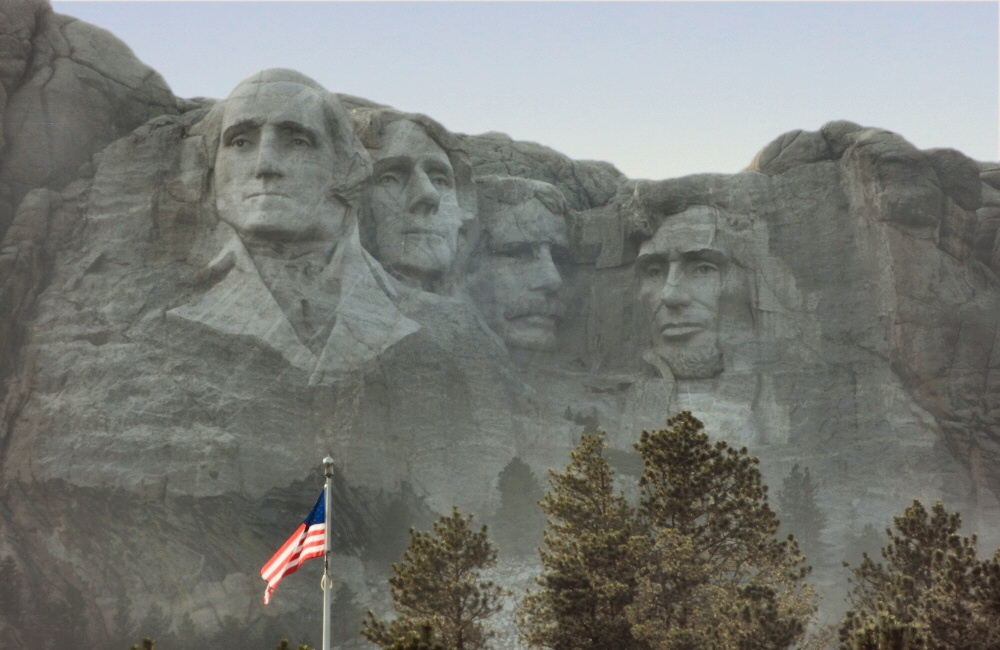
The next day took us to the edge of Wyoming – open, empty land covered in sweet yellow clover grass, as though the hills had been dusted with yellow powder. It’s a lot hotter out here than in the mountains. As soon as we crossed over the state border into South Dakota, we climbed into the Black Hills, where it cooled down quickly. The Black Hills are full of history – Indian sacred grounds and hunting lands, and of course the subsequent clashes with the settlers once gold was found here in the 19th century. We drove through the town of Custer (of Custer’s Last Stand) and past Mt. Rushmore, into Custer State Park where we planned to stay the night. Driving through the park we ended up on a tight, winding mountain road with tunnels and “pig tail” bridges – it turns out that this road was built in the early 20th century purely as an engineering challenge.

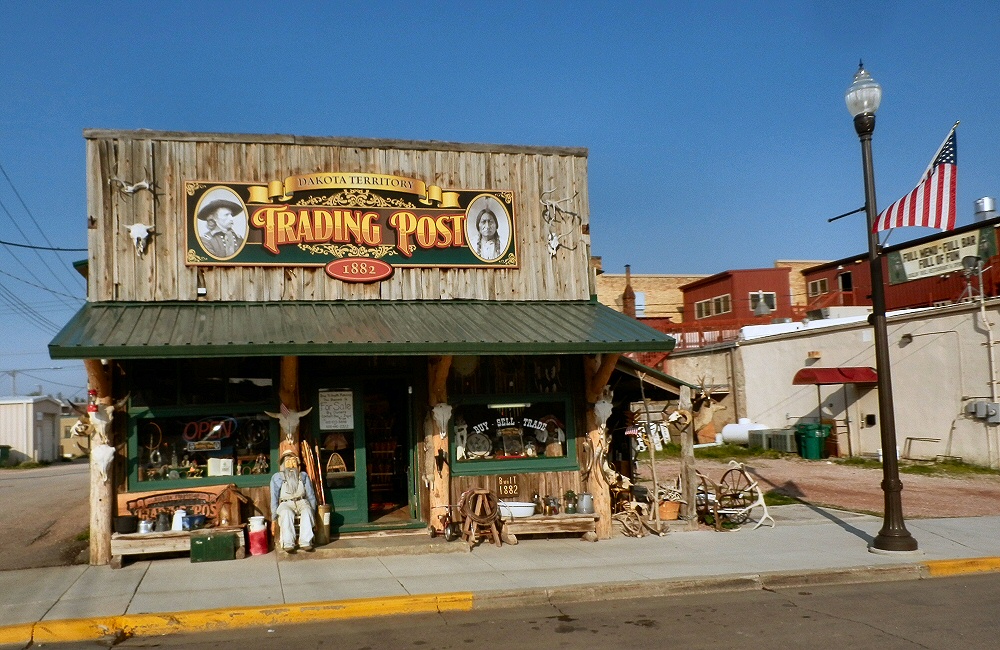
OLYMPUS DIGITAL CAMERA Custer Trading Post, South Dakota

Not planning ahead, being naïve travellers, means that when we come across interesting things it’s much more of a surprise. So far we’ve not really been planning anything, other than a general trend towards the north and east. Yeah, we may have missed things along the way, but we don’t want to be just jumping from one tourist spot to the next.

OLYMPUS DIGITAL CAMERA OLYMPUS DIGITAL CAMERA

As the sun disappeared we found the last available camp site in the park, and cooked up some chilli and rice. At about midnight we were woken by an amazing storm – huge lighting flashes and booming thunder. And then hail hammering down on the roof of the van, so hard I was expecting to find dents all over it in the morning.

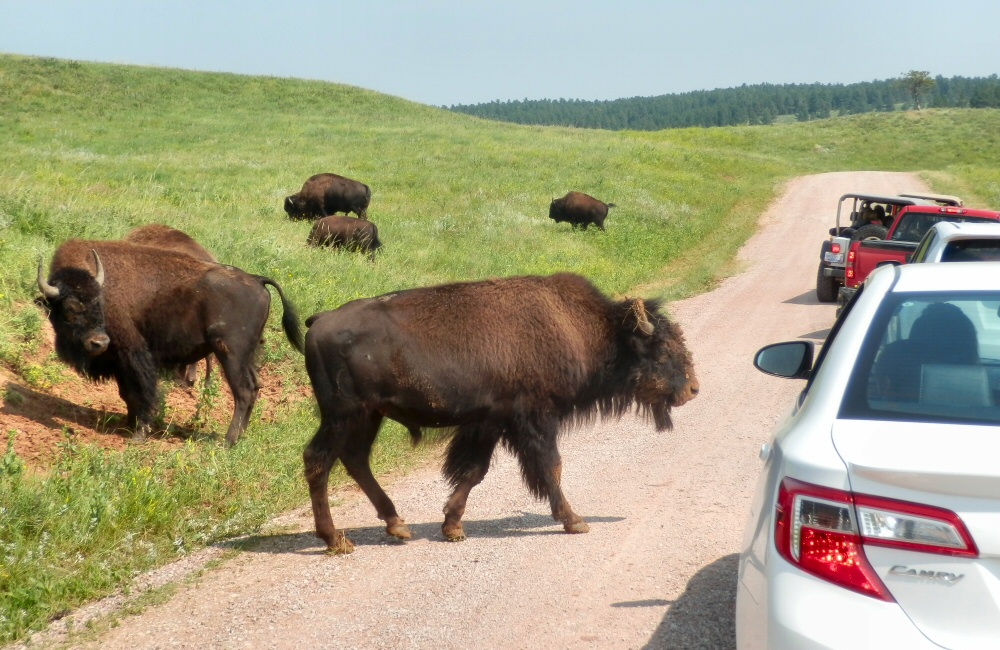
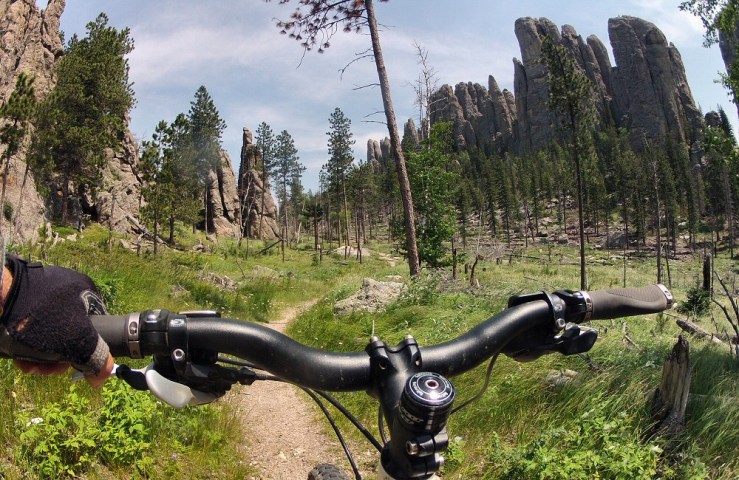
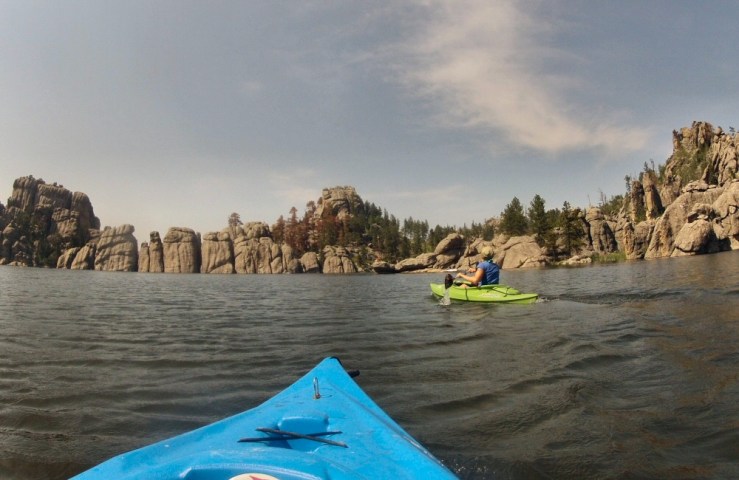
[Saturday 19th] On Saturday we bimbled around the wildlife loop in the state park, seeing more buffalo, plenty of deer and a prairie dog town. I’d seen that there were some mountain bike trails in the Black Hills, and I was desperate to get out on the bike again. But without any internet connection and pretty poor information from the visitor centre, I had to take my chances and head off on a hiking trail – up to Cathedral Spires. Turned out to be a fun hour. Hot! Heading back towards the Crazy Horse memorial we passed Sylvan Lake which looked too tempting to pass by without a quick paddle, so we popped the kayaks in, powered across the lake, and had a swim.

DCIM100GOPRO
Cathedral Spires, Black Hills, SD
Sylvan Lake, SD
Sylvan Lake, Black Hills, SD

Late afternoon we wandered around the Crazy Horse visitor centre. The memorial is of one of the Lakota Indian chiefs – as a response to the building of the Mt. Rushmore memorial which commemorates the first four American presidents, “so that the white man knows that the Red man had great leaders too”. It’s a huge undertaking, started in the forties, to sculpt a whole mountain into a statue of the chief riding a horse – the biggest sculpture in the world.

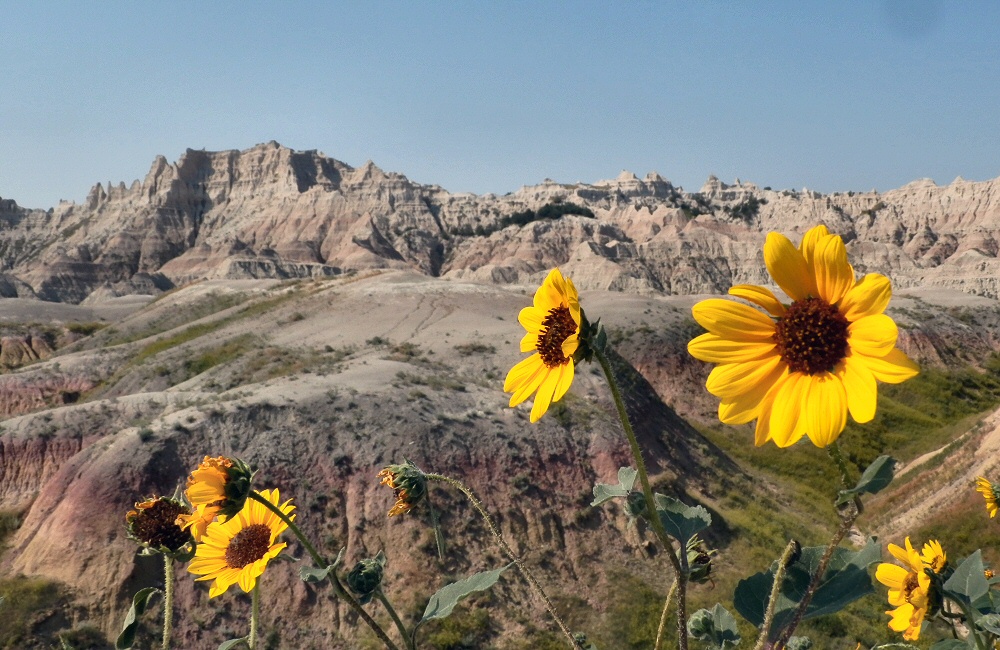
As the evening set in, we grabbed a bite to eat in Custer and then carried on east out to the Badlands National Park. The park campground as described in our National Parks book is “primitive” – it’s just a ring of grass in the middle of the grassland, with a couple of long drop toilets and a bunch of picnic tables under sun shades. Not a single tree, which makes it completely different from every other campground we’ve been to. Still mosquitoes though … how do they survive out here?!

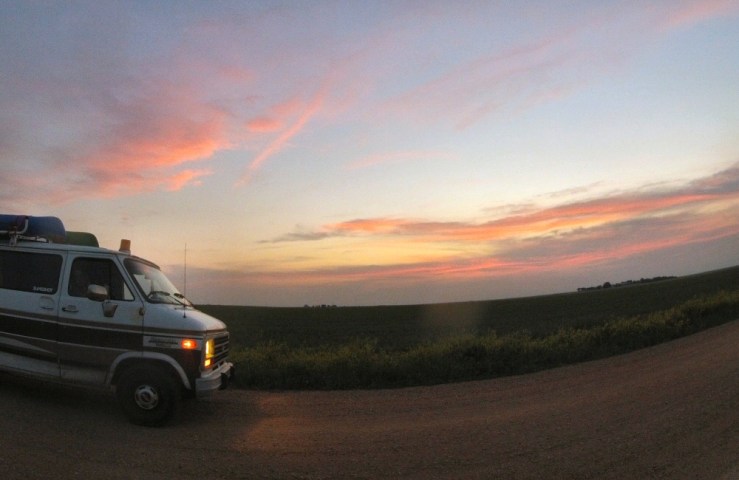
Badlands sunset
Sunset as we approach Badlands NP

Chatted late into the night with a bunch of other young travellers – one guy from San Francisco heading to Harvard in Boston to spend a few years studying architecture, a young couple driving around the US for a couple of months, almost the same route as us but in reverse – again from the bay area in California, two brothers from Florida headed for college in Missoula, Montana, and a girl from Iowa who was taking a weekend break from her job as a National Park environmental worker in Minnesota. Normally the US and Canadian campgrounds are quite anti-social; everyone has their own pitch with table and fire ring, a good distance apart to give some privacy. It means you don’t really get to meet people, which is a shame. Here you could pitch up anywhere you wanted, no fire rings, and shared tables. Everyone had been travelling for days and was keen for conversation with a new bunch of people.

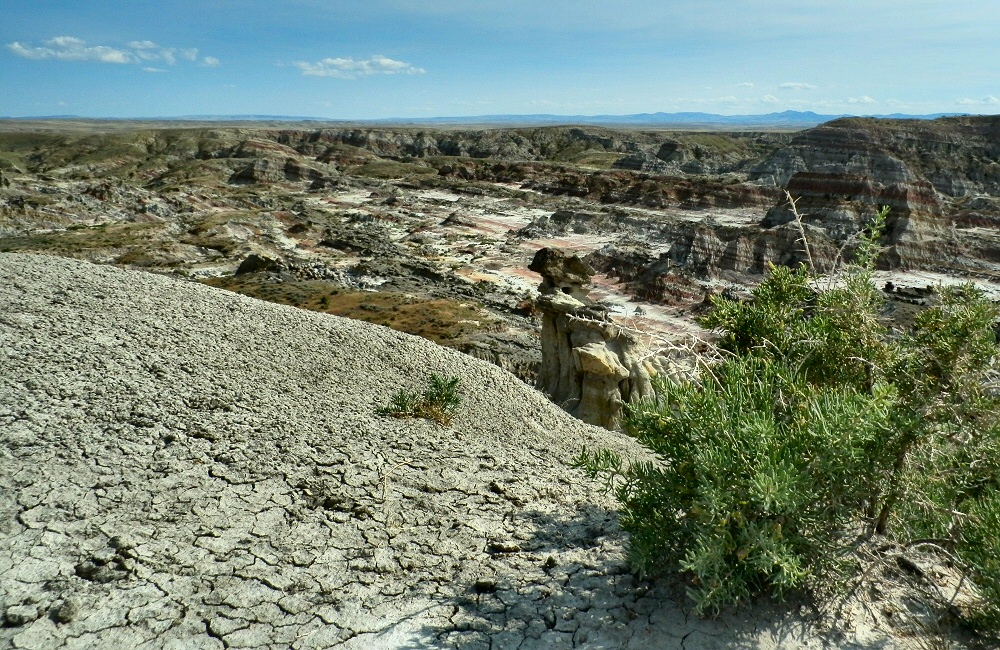
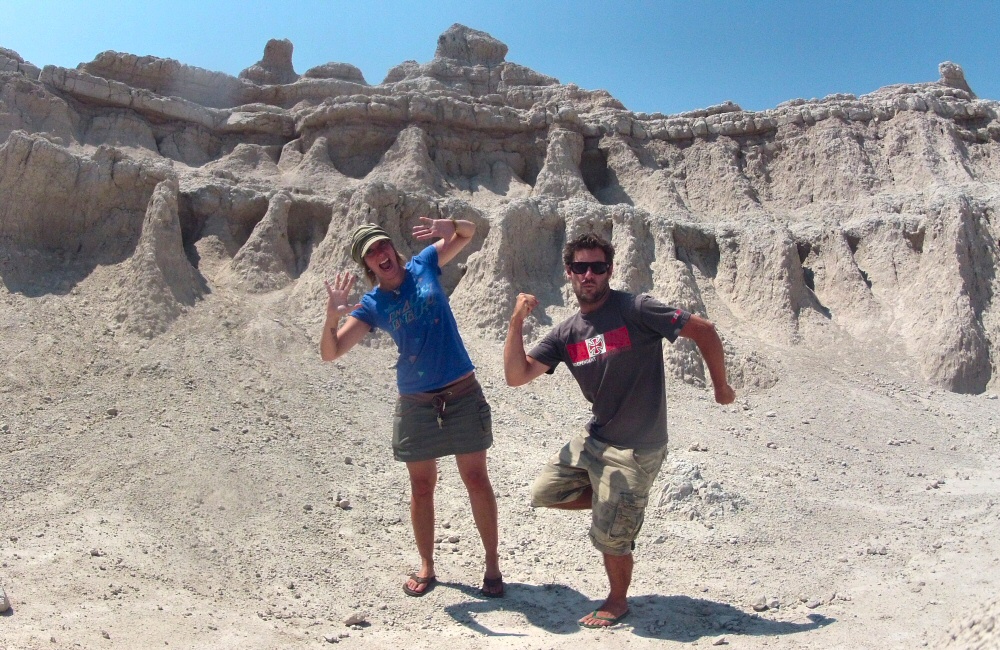
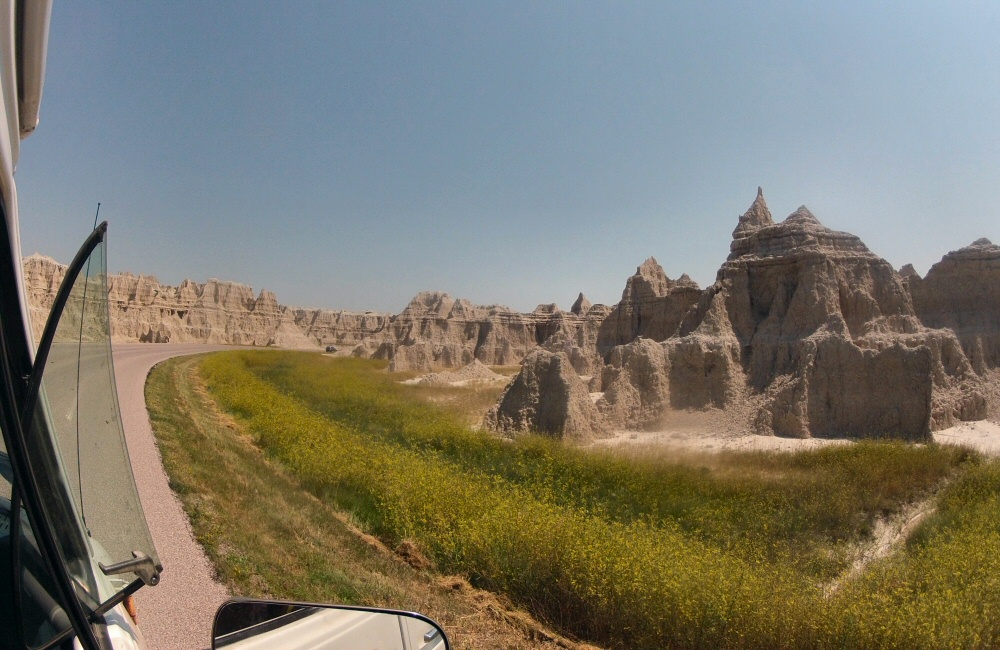
[Sunday 20th] Explored the Badlands in the morning, in the searing heat. Not a breath of wind, and 100-plus degrees made it sweaty, sticky work. The only way to get a breeze, or any shade, was to get moving in the van with the windows all open, so we didn’t dawdle. Sheltering from the sun, sweltering and sweating in our plastic van seats, we slithered across the rest of South Dakota – miles and miles of empty grasslands, turning into wheat fields, and then corn fields further east.

Badlands Daisies DCIM100GOPRO Badlands NP Badlands

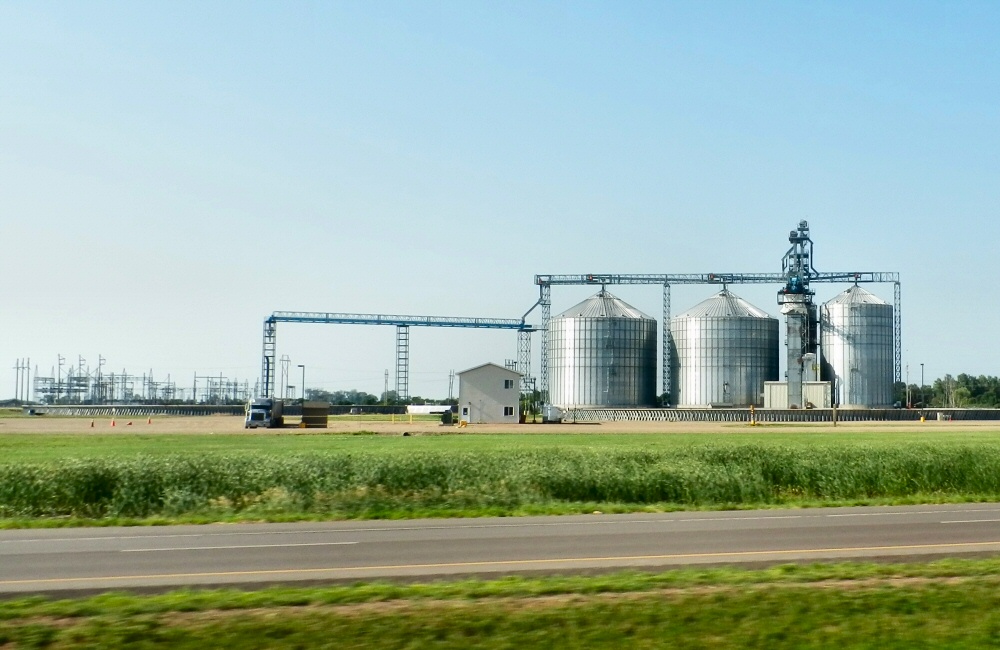
Everything here is geared towards farming. The fields are huge, but there seem to be separate farmhouses every few miles, so the farms themselves can’t be that big. It’s all very well kept, with perfectly mown road verges (I suppose they have the equipment and the time!), neat barns and grain silos, and huge immaculate lawns in front of every house. And of course each property proudly flies the stars and stripes outside. On and on and on. It’s given me a chance to catch up with learning Spanish – I bought some bigger speakers and wired one up to the radio so that it’s a bit easier to hear while we’re blasting along with the windows down.

My other goal for the summer, to learn the Ukelele, hasn’t been progressing so well. I’ve got three basic chords dialled, but that was a month ago and not much has happened since. The same three notes strummed over and over again isn’t the best soundtrack to a summer evening in a remote campsite, especially when we have neighbours.

Grain processing plant South Dakota barn Road junction

Just before leaving South Dakota we found a motel for the night, in Watertown, where we had a wonderfully refreshing shower, and caught up with emails. We’d thought that we’d get internet on our phones in the USA, but we’ve not actually had data reception since we left Washington weeks ago (which is one reason why I’ve only been able to update the blog every few days, at coffee shops). The states we’ve been through appear not to have any T-Mobile coverage – we can get other networks, but it turns out that using data on other networks is deemed “domestic roaming” and there’s a 50Mb data limit which we burnt through pretty quickly. Rubbish. But not really a problem. The National Geographic Adventure Atlas of USA and Canada (thanks mum!) has been our only guide – a really good one, with campgrounds and points of interest.

[Monday 21st] We stayed at the motel for most of the morning, spending time online, researching future trips and getting various online jobs done – things like recording a change of address with the California DMV so that I can then renew the boat’s biannual registration. And ordering some electric fans to get some air moving in the van at night! We’ll get them delivered to a town ahead of us, and pick them up on the way back from Canada.

Road tripping is actually really time consuming. I’d thought that we’d get much more time to do things other than drive, but that’s not been the case at all. To cover 10,000 miles in 3 months we need to average over 100 miles a day, and with a few rest days that quickly goes up for the days we’re driving. We’d originally planned 6,000 miles in total, but after 6 weeks we’ve already covered 5,400 miles. The van’s running well. Needed to top up with oil today, but otherwise all A-OK. So glad to have a fridge on board; means we can keep food fresh, have cool drinks during the day, and cold(ish) beers in the evening.

Right now we’re driving through St. Cloud in Minnesota – still stinkin’ hot – gotta go, my turn at the wheel is coming up.

Stump Island

I’m really starting to get into breakfast of scrambled eggs with salami. Quick, easy, and tasty. Eggs last for ages without a fridge, and the pack of salami we bought (I think in California) is still going strong.

DCIM100GOPRO OLYMPUS DIGITAL CAMERA

Weather looked good for a kayak trip, so today we headed across to the mainland on the ferry to Powell River, picked up some bear spray and a coffee, then found our way up a gravel track to the start of the Powell Canoe Route. It’s normally a 5 to 7 day multi-lake adventure with portages between each lake and awesome mountain views, but as our first time out kayak camping we figured a short paddle down the first lake (Lois Lake), and one night out would do fine.

Saw our first bear of this trip! Driving up the gravel track just off the highway a big black bear was hanging out on the track. He ran right off into the bushes, no hanging around for pictures.

Bear

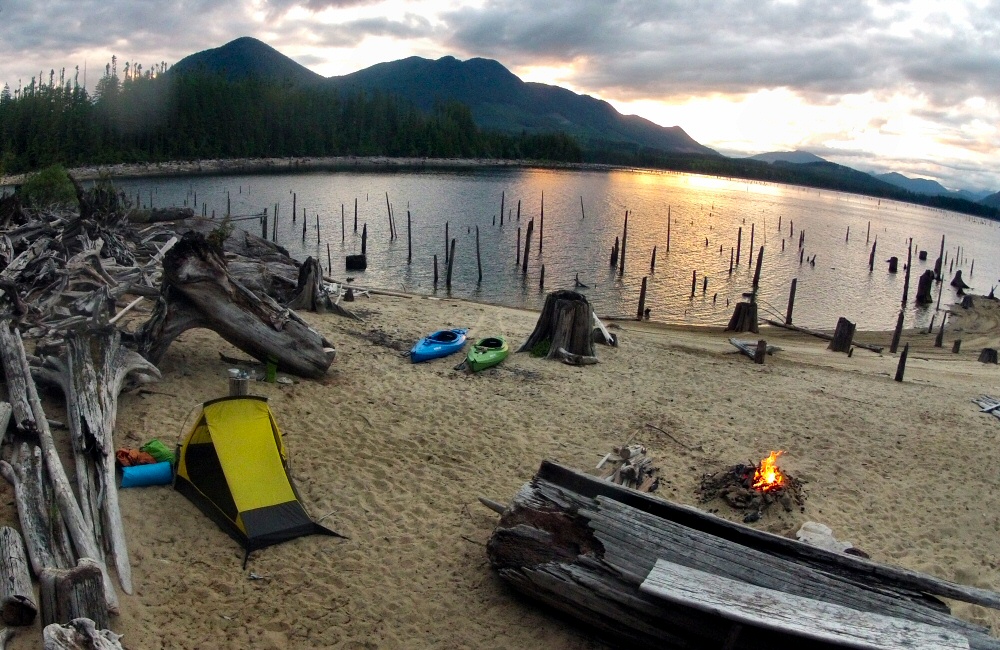
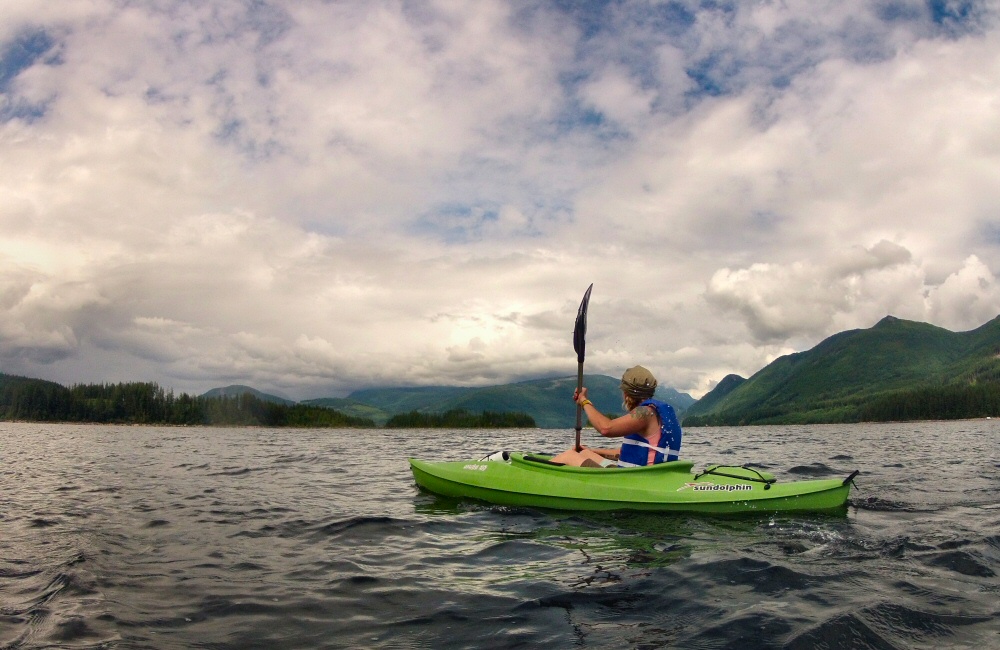
We packed a tent, sleeping bags and some food, put the kayaks in the water and headed off into the wilderness in the baking sun. After an hour we washed up on a deserted beach on a small island in the middle of the lake, and decided to call this camp for the night.

DCIM100GOPRO DCIM100GOPRO DCIM100GOPRO DCIM100GOPRO

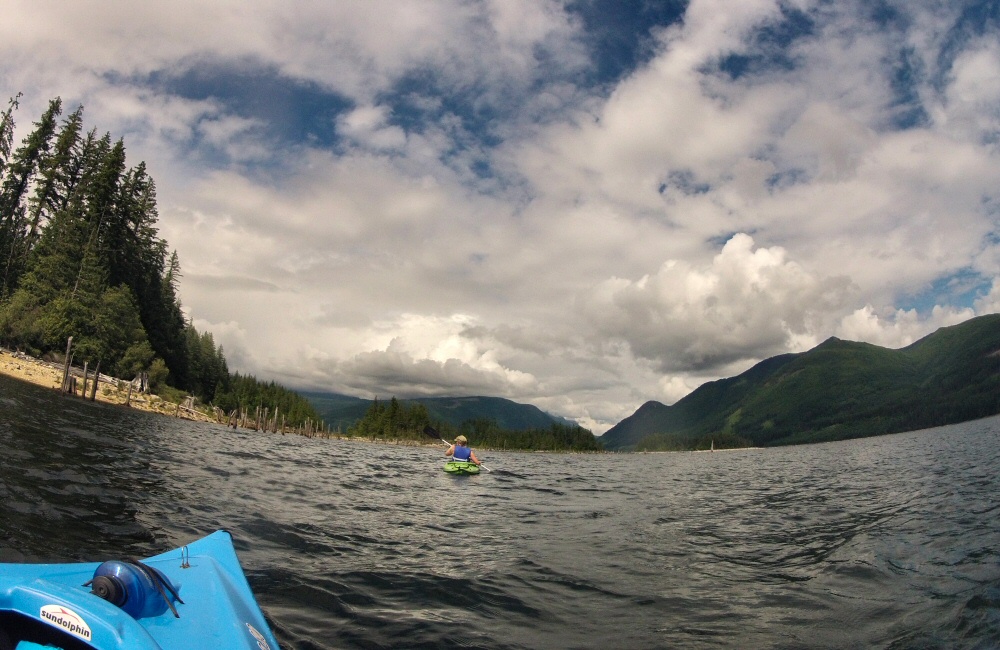
What a stunning place. The lake is surrounded by steep sided, forested mountains, with their tops hidden in the clouds. Down here we’re in the warm sun, with only the sounds of the wilderness and the waves slapping on the sand. The lake is actually a dam, which means that it’s a flooded valley with thousands of dead tree trunks poking up through the water around the shores. The lake level rises and falls depending on how much hydro power they need, which creates these crazy looking tree stumps that are still standing, all the sand and soil having been washed away from underneath them.

We explored the island, I had a swim, Rose did some drawing, we cooked some dinner, had a camp fire – all nice and slow, nobody else around at all. As the sun set, wolves were howling in the distance. Optimistically we’d only put the inner tent up, as the sun was shining late into the evening, it was calm and warm … didn’t smell like rain was coming. It would have been nice to sleep under the stars. Just as I was drifting off to sleep the rain started so I had to rush the fly sheet on – at least we’d brought it!

DCIM100GOPRO